Gaza war's toxic waste reaches Israel, threatening shared water and coast
This digest was compiled by AI from multiple sources — links to the originals are below.
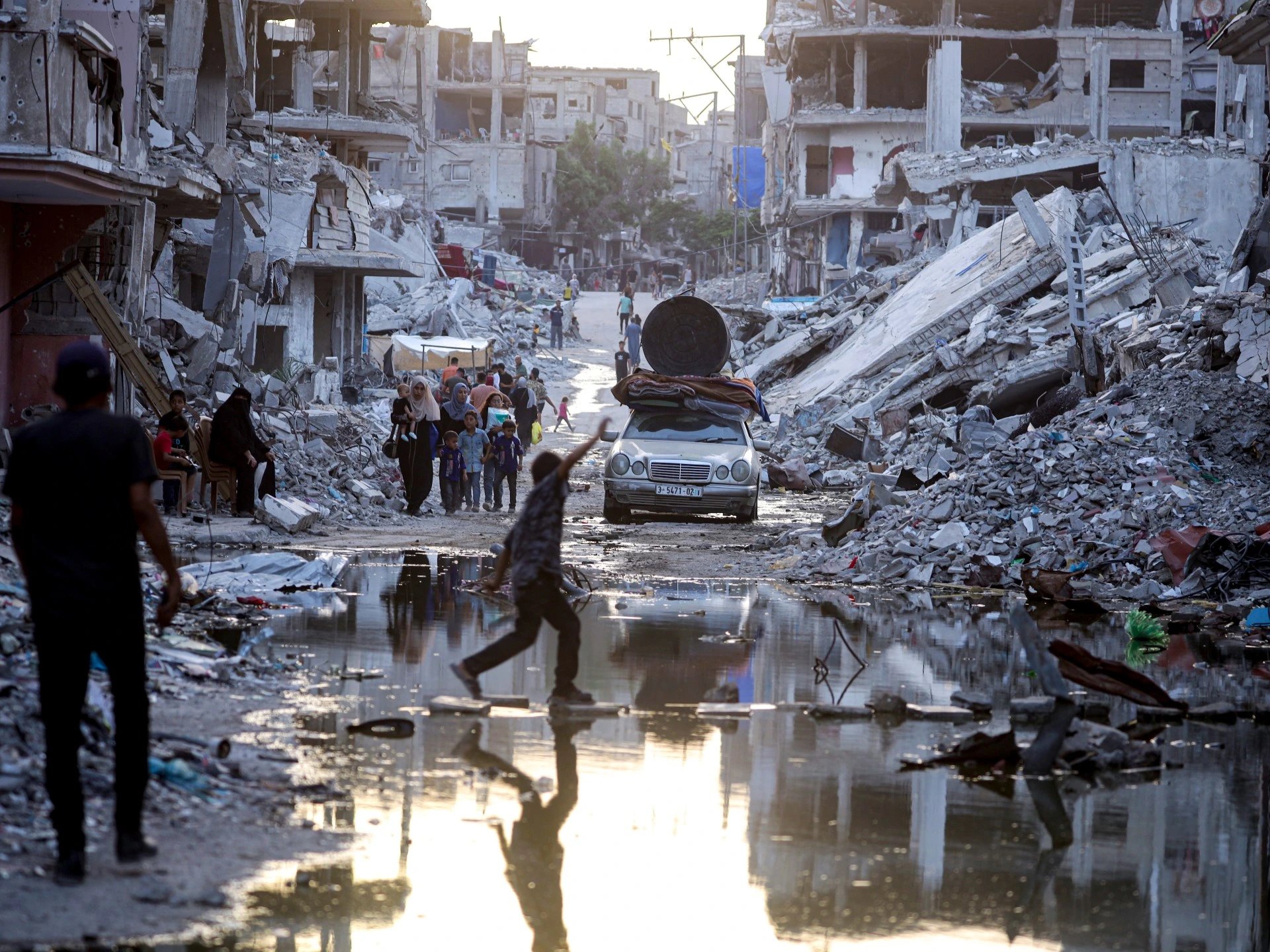
Untreated sewage and contaminated rubble from Gaza are now affecting Israeli public health, forcing the Ashkelon desalination plant to shut down multiple times. Israeli Prime Minister Benjamin Netanyahu and the Board of Peace agreed to set up a working group on sanitation and public health. The toxic leftovers of war are carried northward by Mediterranean currents into Israeli waters.
Key Facts
- Over 100,000 cubic metres of raw sewage flow from Gaza into the Mediterranean Sea or onto land every day.
- The Ashkelon desalination plant in southern Israel has been forced to shut down multiple times due to high faecal bacteria contamination from Gaza’s wastewater.
- Israel has begun moving an estimated 60 million tonnes of rubble from Gaza into undisclosed locations inside Israel and the West Bank.
- Euro-Med Monitor tracked some 100 Israeli trucks daily leaving the Gaza Strip with debris in recent weeks.
- Transferred pollutants may include heavy metals such as lead, mercury, cadmium, white phosphorus particulates, unspent explosives, industrial chemicals, and widespread asbestos fibres.
Sewage Contamination
Gaza’s destroyed electric power and sanitation infrastructure forces over 100,000 cubic metres of raw, untreated sewage into the Mediterranean Sea or on land every day. Mediterranean currents in this region move primarily from south to north, carrying the waste straight up the coast into Israeli waters. The Ashkelon desalination plant in southern Israel has been forced to shut down multiple times due to high faecal bacteria contamination from Gaza’s wastewater. Raw sewage also triggers toxic algae blooms that block and damage desalination filtration systems and create dead zones where fishing would normally occur. Wastewater toxins, heavy metals, and pathogens are absorbed by local marine life, and because fish migrate across maritime boundaries, contaminated seafood poses a direct health hazard to Palestinian and Israeli consumers.
Rubble and Groundwater Risks
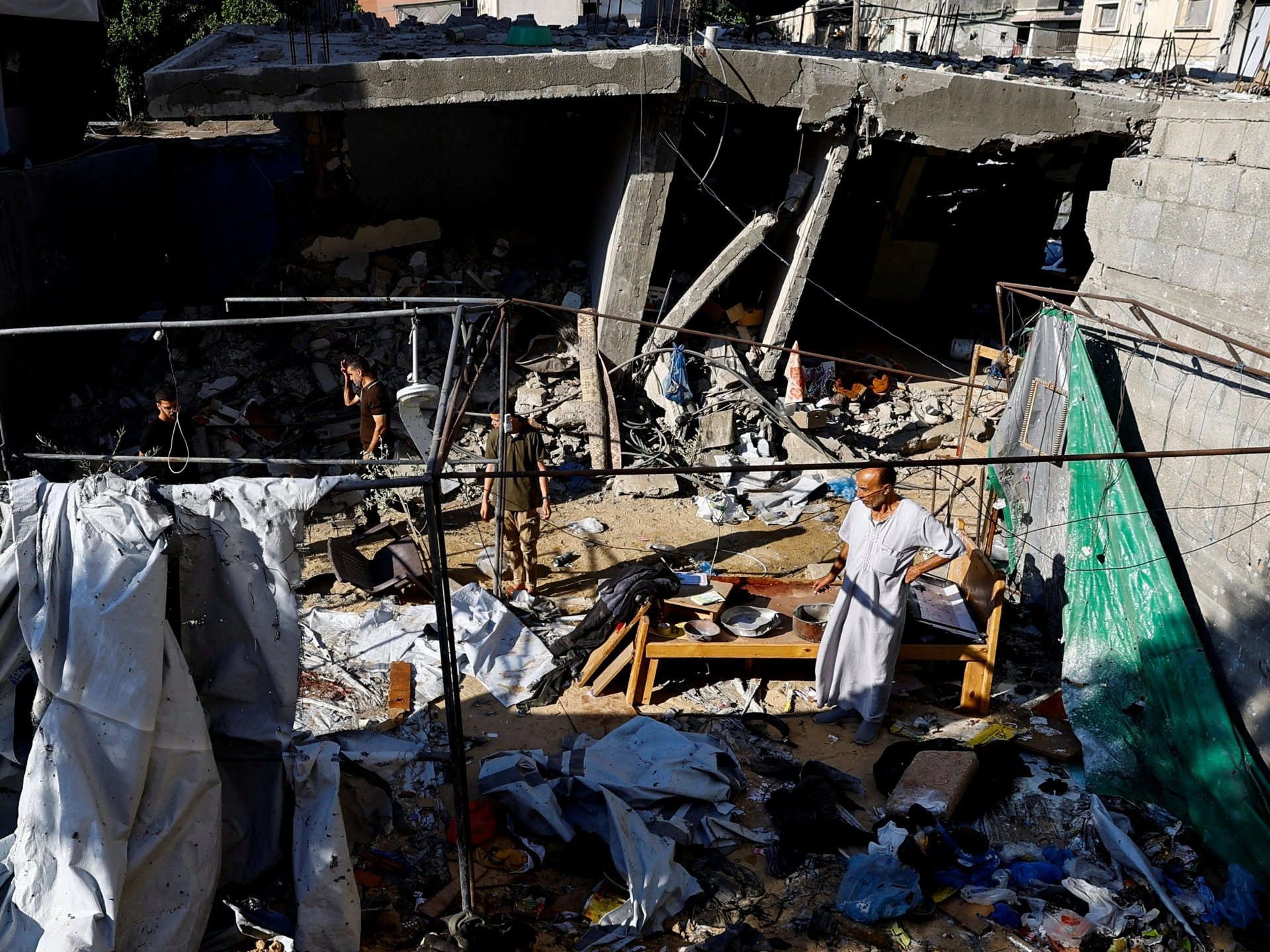
Israel has recently begun moving some of the estimated 60 million tonnes of rubble from Gaza into undisclosed locations inside Israel and the West Bank. Euro-Med Monitor tracked some 100 Israeli trucks daily leaving the Gaza Strip with debris in recent weeks. Transferred pollutants may include heavy metals such as lead, mercury, cadmium, traces of other metals or residues from specialised munitions, white phosphorus particulates, unspent explosives, industrial chemicals, and widespread asbestos fibres from pulverised older buildings. Salts and other chemical contaminants can travel much farther than pathogens and are often a bigger long-term aquifer concern, reducing the quality and usability of the shared groundwater system over time for irrigation, agriculture, and drinking. Pathogen-contaminated groundwater is unlikely to feed into Israeli municipal water supplies, but can still affect the shared aquifer and surrounding environment.
1 source
Gaza war's toxic waste reaches Israel, threatening shared water and coast