AKP Debates Framework Law Implementation as PKK Disarmament Enters Critical Phase
This digest was compiled by AI from multiple sources — links to the originals are below.
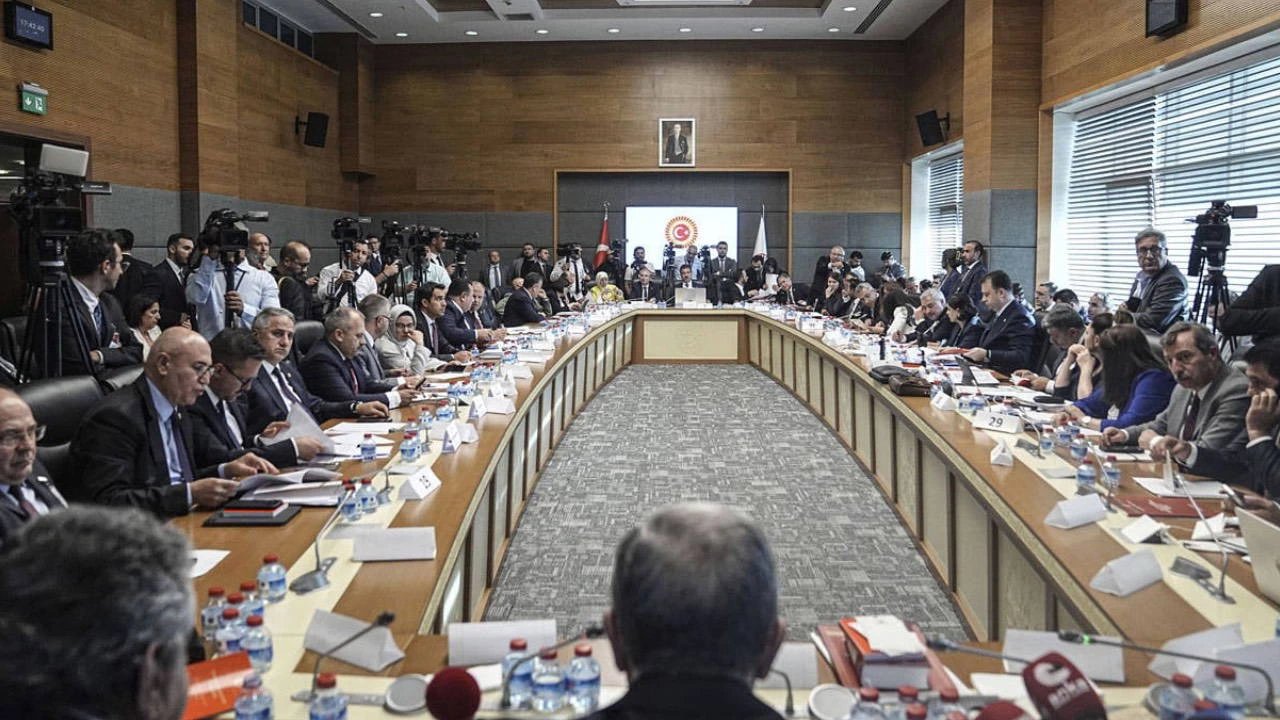
Turkey's ruling AKP is debating how to implement the framework law passed on August 10 and published on August 18, which received 467 votes in the Grand National Assembly. Party sources stress that each application must be individually vetted by security and intelligence units. The main risk, they say, is the PKK preserving its cadres through political and civil channels after losing armed capacity.
Key Facts
- The framework law was passed on August 10 and published in the Official Gazette on August 18, with the support of 467 MPs in the General Assembly.
- AKP sources say each applicant's position within the PKK, crimes committed, participation in armed actions, and whether ties to the organization are truly severed must be investigated separately.
- Party insiders warn that the PKK may try to preserve its cadres through politics, associations, municipalities, and civil structures after losing armed capacity.
- AKP members argue that the process cannot be run solely through security and legal institutions, and that the sensitivities of martyrs' families and veterans must be respected.
Individual Vetting Requirements
AKP circles are focusing on the criteria for evaluating those who want to benefit from the law. The person's position within the terrorist organization, crimes committed, participation in armed actions, and whether ties to the organization are truly severed must be investigated separately for each individual. Party sources believe that a mass and uncontrolled return could provoke public backlash and allow the organization to use the process for its own propaganda. Therefore, applications should be examined in detail by security and intelligence units, with uninterrupted information sharing between public institutions. One AKP member said: 'The state cannot look at a file merely asking whether the person laid down arms. It must also see whether the person's ties to the organization have ended and whether they will be part of a restructuring.'
Political Channel Risk
Some figures in the ruling party see the organization's attempt to preserve its cadres through politics, associations, municipalities, and various civil structures as one of the most important risks to the process. AKP members argue that democratic politics and organizational activity must be strictly separated. While the right of Kurdish citizens to engage in politics and express their demands on a democratic platform is beyond debate, an organizational discipline backed by the threat of violence must not be allowed to enter the political sphere. Within the party, the view is expressed: 'The silencing of weapons should not mean the organization merely changes methods. The state cannot accept a model in which armed cadres are transformed into political cadres.'
Social Consent
Some in the ruling party argue that the process cannot be conducted solely through security and legal institutions. If the sensitivities of martyrs' families and veterans are not respected, the regulation could lose social support.
1 source
AKP Debates Framework Law Implementation as PKK Disarmament Enters Critical Phase