
US oil majors post record wartime profits as Gulf assets face rising risk
This digest was compiled by AI from multiple sources — links to the originals are below.
Six months into the war on Iran, the largest US oil companies have posted their biggest profits since 2022, selling less oil at far higher prices. Brent crude has risen about 22 percent since the war began on February 28, from $72 to $88 a barrel. The Strait of Hormuz remains largely closed to commercial traffic, even as Iran and Oman agreed last week on a temporary maritime route.
Key Facts
- Brent crude has risen about 22 percent since the war began on February 28, from $72 to $88 a barrel.
- Chevron reported its highest quarterly profit in six years of $12bn in adjusted earnings on July 31.
- ExxonMobil's upstream earnings dropped by around $1.3bn in the first half of 2026 compared to the same period in 2025 due to lower Middle East volumes.
- Rystad Energy expects US companies' share of gas supplies from the Gulf region to fall by around 40 percent this year compared to last year.
- The Strait of Hormuz carried one-fifth of the world's oil and natural gas before the war and remains largely closed to commercial traffic.
Wartime Profit Surge
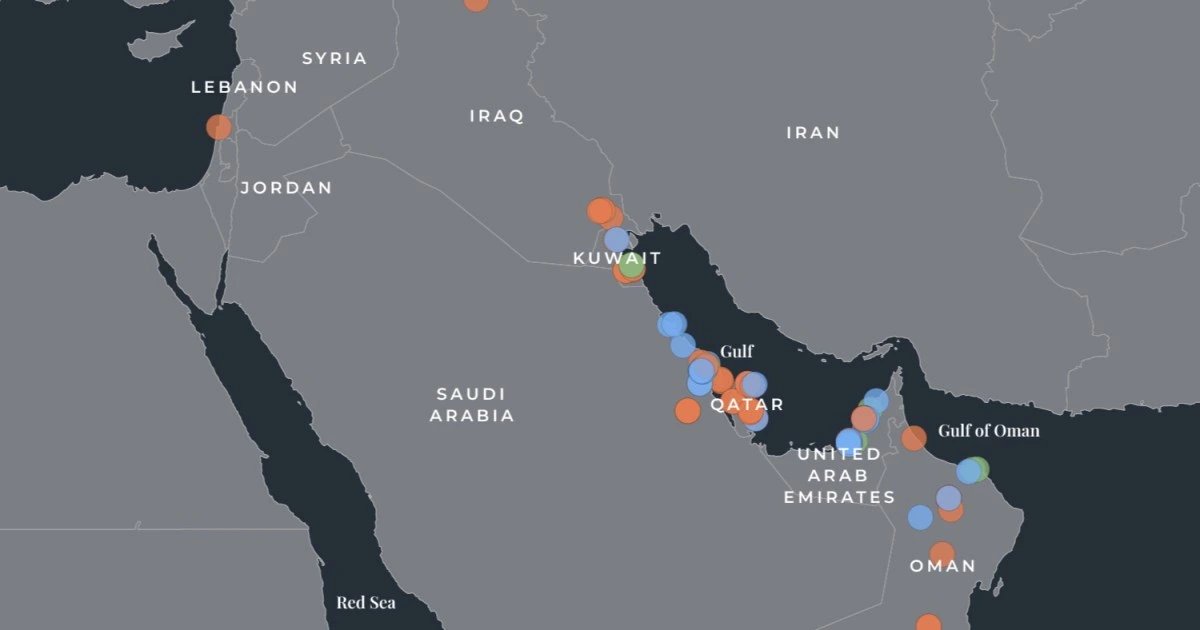
The surge in the oil price since early March, when Iran first closed the Strait of Hormuz, has delivered a windfall for oil companies. Chevron has limited exposure to Arab Gulf supply disruptions, with the region accounting for just 5 percent of its total global output. The group reported its highest quarterly profit in six years of $12bn in adjusted earnings on July 31. ExxonMobil has been far more exposed to disruption in the Middle East, with the closure of the Strait of Hormuz and Iranian attacks on US-linked infrastructure affecting its operations in Qatar and the United Arab Emirates.
Regional Supply Disruption
Qatar and the UAE together account for 20 percent of ExxonMobil's global equity upstream supply, according to Rystad Energy's Rahul Choudhary. ExxonMobil's upstream earnings dropped by around $1.3bn in the first half of 2026 compared to the same period in 2025 due to lower upstream volumes from the Middle East. Rystad Energy expects US companies' share of gas supplies from the region to fall by around 40 percent this year compared to last year, and the share of oil supplies to drop by 30-35 percent. Prolonged disruption is likely to delay major projects and weigh on the future growth plans of US oil and gas companies with a presence in the region.
Strait of Hormuz Status
The Strait of Hormuz carried one-fifth of the world's oil and natural gas before the war and remains largely closed to commercial traffic. Iran and Oman agreed last week on a temporary maritime route. Iran says the strait will not fully reopen until the United States fulfils its commitments under a lapsed interim peace deal. In the absence of a lasting resolution, the disruption is likely to continue supporting higher energy prices and creating windfalls for producers.
1 source
Time · lag behind first