Korean Peninsula division reshapes lives across generations
This digest was compiled by AI from multiple sources — links to the originals are below.
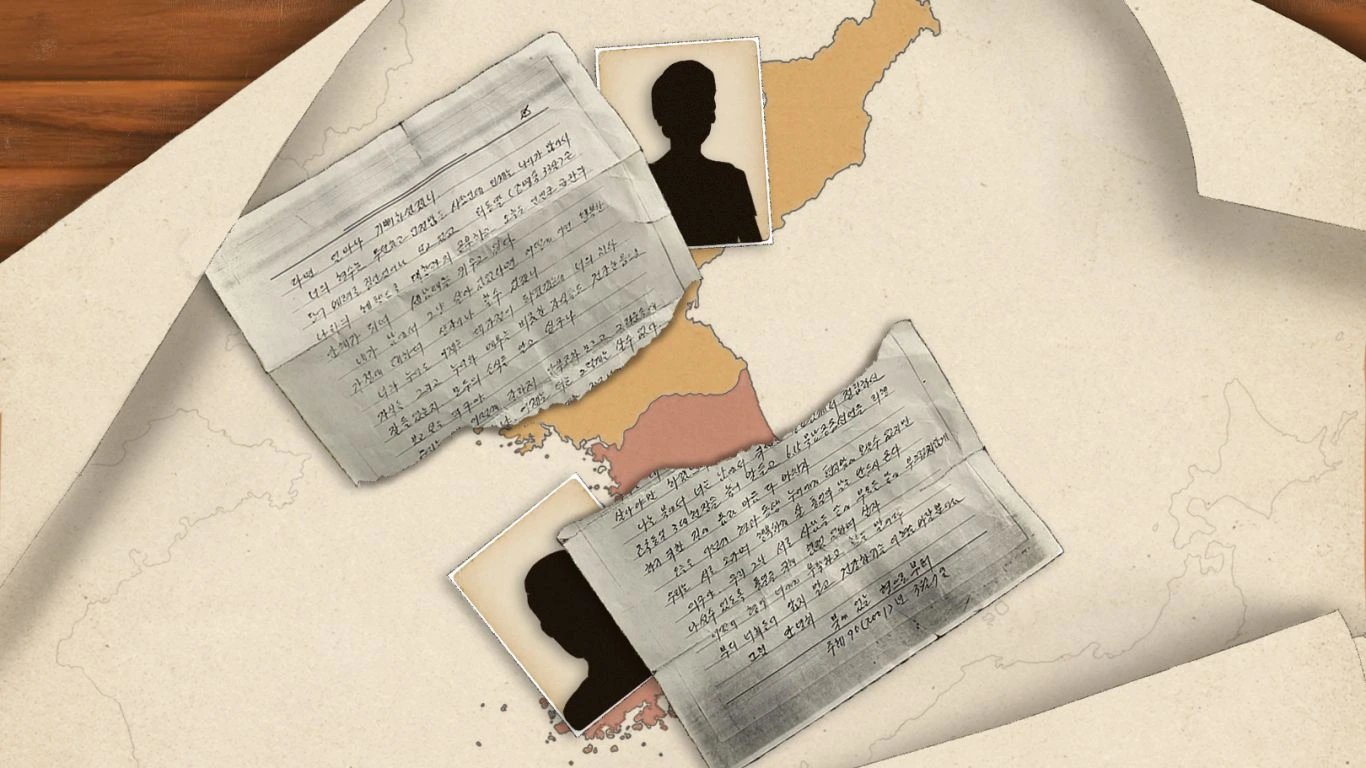
Kim Kang-woo, 31, defected from North Korea in 2016 after his father was beaten to death in a state security detention facility. He now lives in Siheung, South Korea, having crossed the border on May 26, 2016. His story reflects the enduring impact of the peninsula's division on younger generations.
Key Facts
- Kim Kang-woo, 31, defected from North Korea on May 26, 2016, and entered South Korea in October of that year.
- Kim's father was beaten to death in a North Korean state security detention facility after being forcibly repatriated from China.
- As the son of a political criminal, Kim was barred from military service, which in North Korea condemns a person to a lifetime of unpaid labour.
- Smuggled South Korean TV series, including 'Prosecutor Princess' (2010) and 'Boys Over Flowers' (2009), convinced Kim that South Korea offered opportunities for people like him.
- Defectors' relatives left behind in North Korea face heightened surveillance, forced relocation, and downgrades in songbun, the hereditary loyalty ranking.
Kim's Escape
Kim Kang-woo was born in Hyesan, a North Korean city on the Chinese border, and now lives in Siheung, a satellite city of Seoul. At age 22, he decided to escape to South Korea after his father was beaten to death during an interrogation in a state security detention facility. His father had crossed into China to earn money after the 2009 currency reform impoverished the family, but was caught and forcibly repatriated. As the son of a political criminal, Kim was barred from military service, which in North Korea meant his adult life was effectively over before it began. Those who do not serve in the military have essentially no status in North Korean society and are subjected to a lifetime of unpaid labour.
Media Influence
Smuggled South Korean films and TV series, often carried on hard drives or USB sticks, circulate in North Korean border towns despite a ban on foreign cultural content. Kim watched 'Prosecutor Princess' (2010) and 'Boys Over Flowers' (2009) in secret, which contradicted his school education that portrayed South Korea as impoverished. He said he was taught that South Korea was full of poor children selling cigarettes and gum, with kids unable to go to school and many shantytowns. After seeing the dramas, Kim realised that in South Korea, 'even kids like me with no money and no connections have opportunities if they work hard.' That realisation gave him the courage to defect, and he crossed the border on May 26, 2016.
Family Consequences
Under North Korea's guilt-by-association policy, defectors' relatives left behind are held responsible for the escapee's actions. Reporting based on defector testimony describes heightened surveillance, forced relocation to remote areas, and downgrades in songbun, the hereditary loyalty ranking that shapes access to housing, food, and opportunity. Schooling and job prospects for the next generation are often among the first casualties, and in the most serious cases, families have been sent to labour camps.
1 source
Korean Peninsula division reshapes lives across generations