Kazakhstan media lawyers warn of unprecedented free speech crisis
This digest was compiled by AI from multiple sources — links to the originals are below.
The Legal Media Centre says Kazakhstan is sliding into an unprecedented free speech crisis. The group cites criminal prosecution of journalists combined with bans on practicing their profession. It warns that such measures fuel self-censorship across the media.
Key Facts
- The Legal Media Centre issued an open statement saying Kazakhstan is moving toward an unprecedented free speech crisis.
- Courts have begun applying the profession ban to journalists in cases involving KazTAG executives, journalist Alekhova, and Gulnar Bazhkenova.
- The ban on journalistic activity affects not only the individual journalist but also the public's right to receive information.
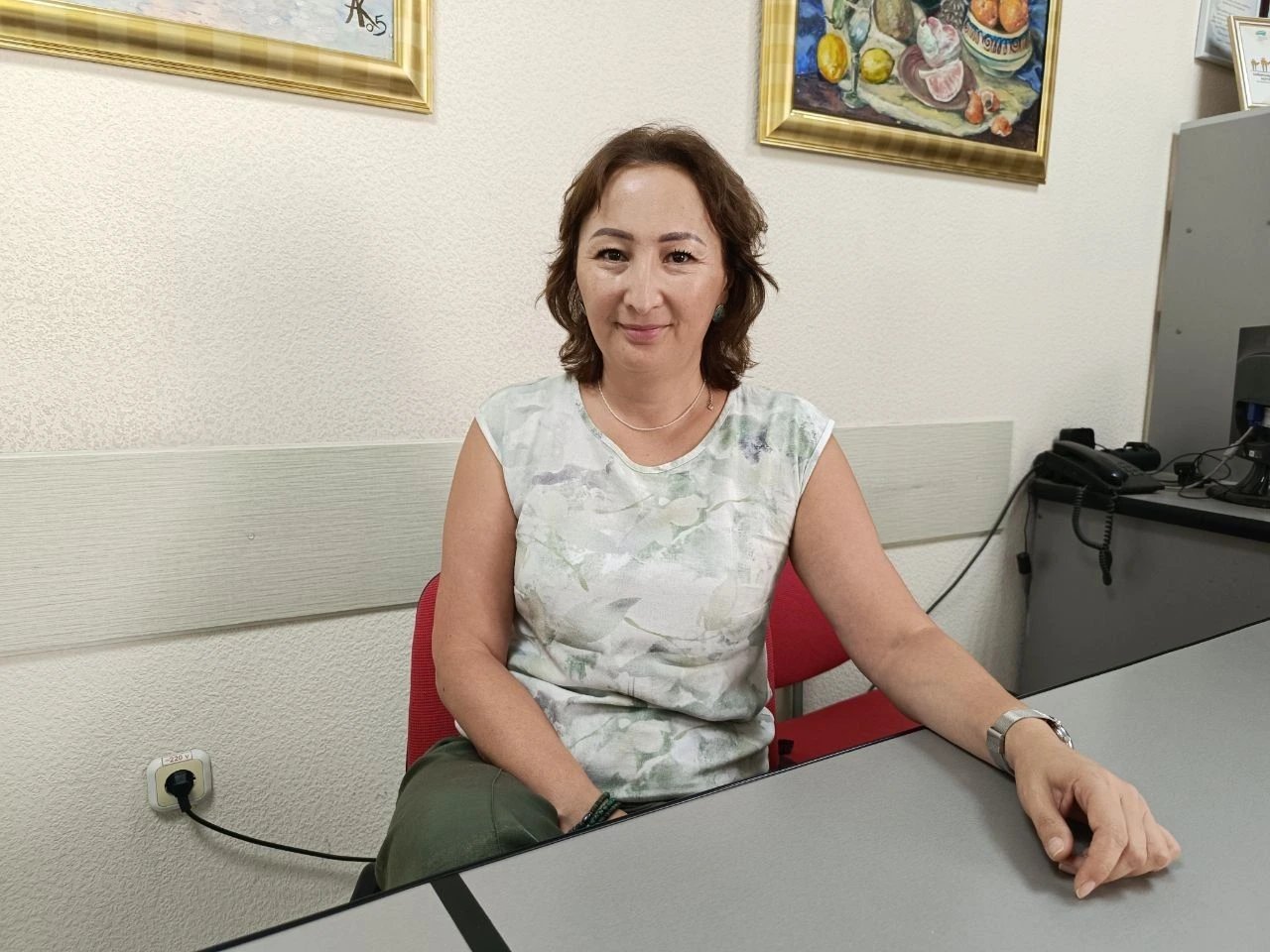
- Gulmira Birzhanova, head of the legal service at Media Qoldau, says such punishment sends a signal that leads other journalists to avoid socially important topics.
The Crisis
The Legal Media Centre published an open statement saying Kazakhstan is rapidly moving toward an unprecedented free speech crisis. Rights defenders say they are observing for the first time in many years a situation where criminal prosecution of journalists is accompanied not only by restriction of freedom but also by a ban on professional activity. Gulmira Birzhanova, head of the legal service at Media Qoldau, told Nasha Gazeta that the scale of account blockings and the use of new Criminal Code articles, such as knowingly false information, mark a new stage of pressure.
Profession Ban
The ban on engaging in certain activities is not a new measure in the Criminal Code and has long been applied to officials, doctors, and drivers. Birzhanova said recent court cases show the punishment is now being actively applied to journalists, including in the cases of KazTAG executives, journalist Alekhova, and Gulnar Bazhkenova. She argued that journalism is not just a profession but a way of realizing the constitutional right to freedom of expression and the public's right to receive information. Therefore, a ban on journalistic activity has far more serious consequences than bans on many other types of activity.
Self-Censorship
Pressure such as court proceedings, restrictions on access to information, blockings, and content removal leads to self-censorship, Birzhanova said. When the state prohibits a journalist from practicing their profession, it affects not only that individual but also sends a signal to other journalists. Other journalists may begin to avoid publishing on socially significant topics, fearing similar consequences.
2 sources
Kazakhstan media lawyers warn of unprecedented free speech crisis