
Trump allows 300,000 tons of beef duty-free for 90 days from Sept 1
This digest was compiled by AI from multiple sources — links to the originals are below.
President Donald Trump signed an executive proclamation allowing 300,000 metric tons of beef to enter the US duty-free for 90 days starting September 1. The imports must be sold at 25 percent below market price. Economists say the measure may have limited impact on retail beef prices.
Key Facts
- The tariff exemption applies only to beef trimmings, which are blended with other cuts to make ground beef.
- 300,000 metric tons of beef is equivalent to around 2% of domestic beef consumption, according to USDA data.
- Ground beef prices are up 27% compared to three years ago and 9% over the past year, according to July CPI data.
- The US cattle herd is currently at a multi-decade low, according to White House spokesperson Kush Desai.
Tariff Exemption Details
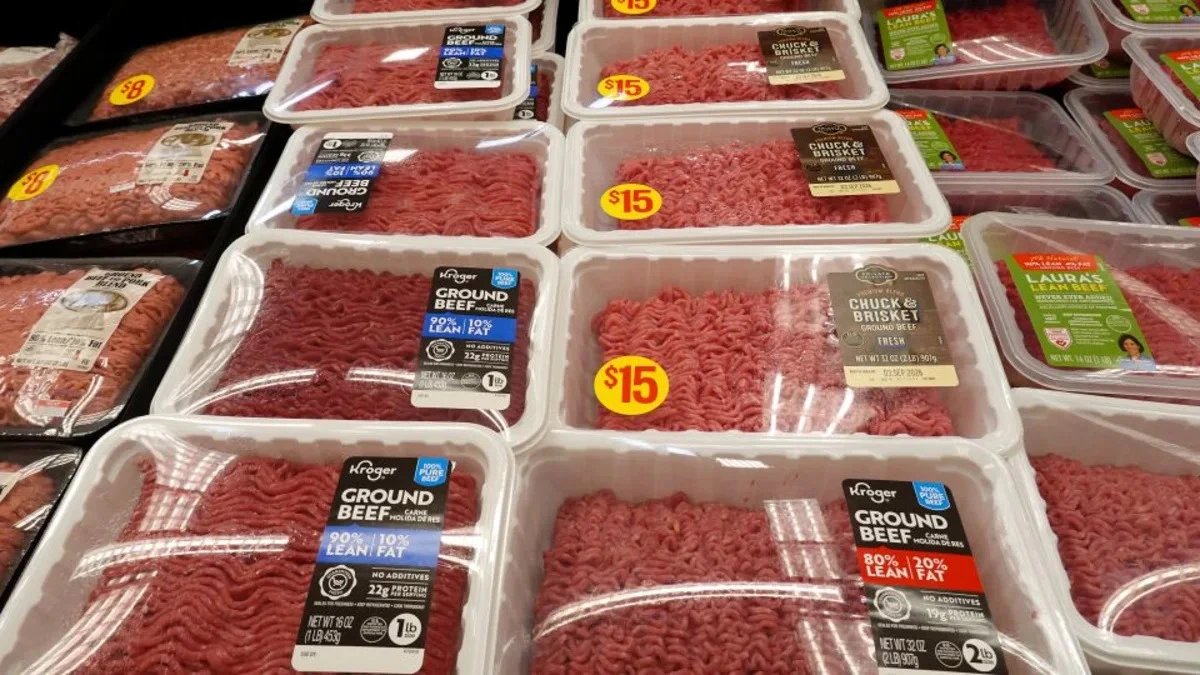
President Donald Trump signed an executive proclamation allowing 300,000 metric tons of beef to enter the US duty-free for 90 days starting September 1. The imports are required to be sold at 25 percent below the market price, according to the proclamation. The tariff exemptions apply only to beef trimmings, which are blended with other cuts to make ground beef. The White House has not specified how a lower tariff rate on ground beef would lower prices, only telling CNN that foreign exporters are willing to discount the beef because there are no duties.
Market Impact
300,000 metric tons of beef is equivalent to around 2% of domestic beef consumption, per US Department of Agriculture data. Glynn Tonsor, an agricultural economist at Kansas State University, said the measure could add some pounds to the market but is easily overstated in its potential to help consumers. The impact will depend on whether the imports add to the supply of beef or simply replace beef that processors would have otherwise bought from US suppliers, Tonsor added. A pound of ground beef currently costs Americans about $6.89 on average, according to Bureau of Labor Statistics data.
Price Trends and Rationale
Consumers are paying 27% more for ground beef and all kinds of beef and veal compared to three years ago, and 9% more over the past year, according to July Consumer Price Index data. White House spokesperson Kush Desai said elevated prices stem from insufficient supply to meet consumer demand. Desai added that the President's action helps meet short-term beef needs while the Administration works with American ranchers to expand domestic production and grow the cattle herd, which is at a multi-decade low. Tonsor said that explanation does not fully account for price rises, particularly because American cattle ranchers are raising larger cattle that yield more beef.
1 source
Time · lag behind first