
Adilet party wins Kazakhstan parliamentary elections with 71% of vote
This digest was compiled by AI from multiple sources — links to the originals are below.
The Adilet party, formed months ago and absorbing ruling Amanat in June, won Kazakhstan's parliamentary elections on August 23 with 71% of the vote and 110 seats. On August 28, lawmakers elected former presidential administration head Aibek Dadebai as speaker of the kurultai. The government resigned the same day, while President Kassym-Jomart Tokayev said it was too early to say whether he would seek a new term.
Key Facts
- Adilet won 71% of the vote and 110 seats in the August 23 parliamentary elections.
- Aibek Dadebai was elected speaker of the kurultai on August 28.
- President Tokayev said on August 24 that it was too early to say whether he would seek a new term.
- The government resigned on August 28, with ministers continuing in acting capacity until a new cabinet is approved.
- Kazakhstan cut oil production by 3.5 million tonnes in the first seven months of 2026 due to attacks on Caspian Pipeline Consortium infrastructure.
Election Results
The Adilet party, created just a couple of months ago and absorbing the ruling Amanat party in June, won the parliamentary elections on August 23. It received 71% of the vote and secured 110 mandates. Four other parties also entered the kurultai. On August 28, kurultai deputies elected Aibek Dadebai, former head of the presidential administration and chairman of Adilet, as their speaker. Deputies also distributed themselves among eight committees.
Government Transition
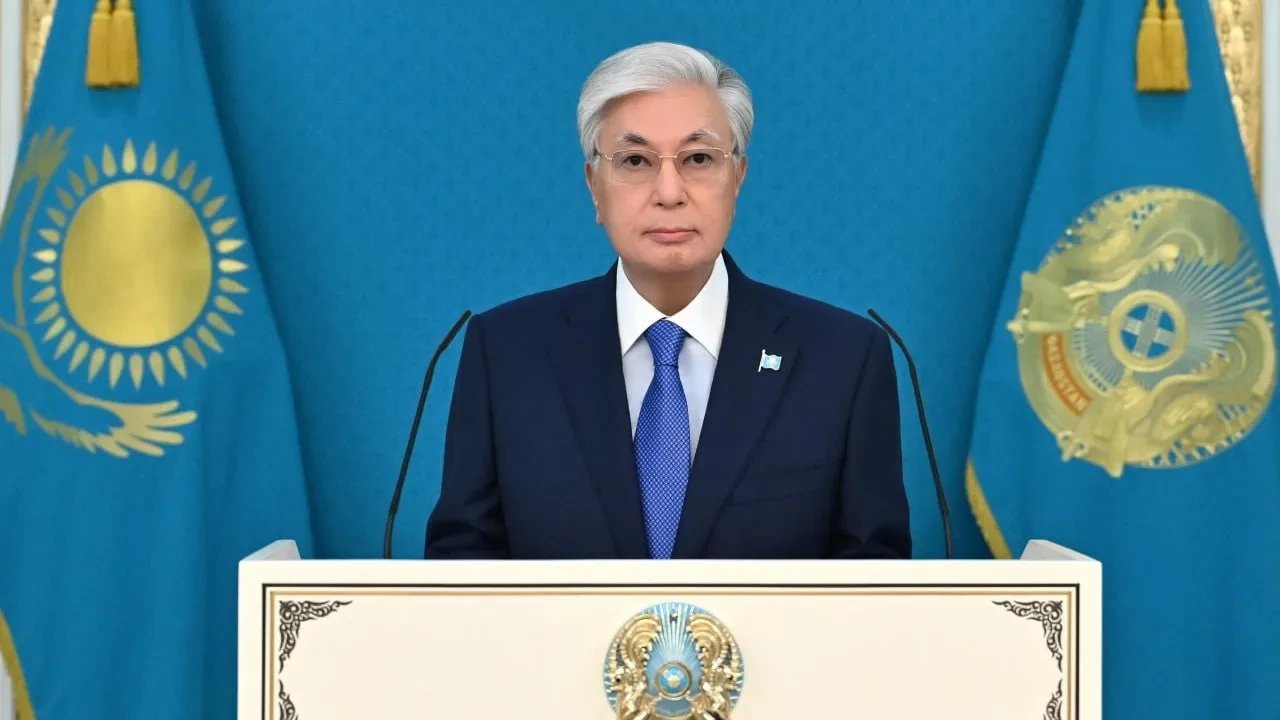
On August 28, the government of Kazakhstan resigned before the newly elected kurultai. A presidential decree allows ministers to continue performing their duties until a new cabinet is approved. The appointment of a vice president and a new prime minister is expected in the coming days. President Tokayev, speaking at the opening of the first kurultai session on August 28, said the scale of reforms in the country had reached a level of irreversibility. He proposed launching an E-Parliament platform to help prevent risks in the legislative sphere and called for banning social media use for children under 16.
Energy Sector
Due to attacks on Caspian Pipeline Consortium infrastructure, Kazakhstan reduced oil production by 3.5 million tonnes in the first seven months of 2026, Energy Minister Yerlan Akkenzhenov said at a briefing on August 25. Despite plans to increase output at major fields, the country will produce less oil this year than in 2025. The Ministry of Trade and Integration is checking AI-95 and AI-98 gasoline at filling stations after complaints about fuel quality. There are 12 citizen appeals in progress: nine from Astana, two from North Kazakhstan region, and one from Pavlodar. The Kondensat plant in western Kazakhstan has begun supplying petroleum products to Russia, with plans to send 70% of output to the Russian market and use the remaining 30% for domestic needs.
1 source
Time · lag behind first