Ethiopian Airlines' $12.5B Bishoftu hub tests Africa's aviation demand
This digest was compiled by AI from multiple sources — links to the originals are below.
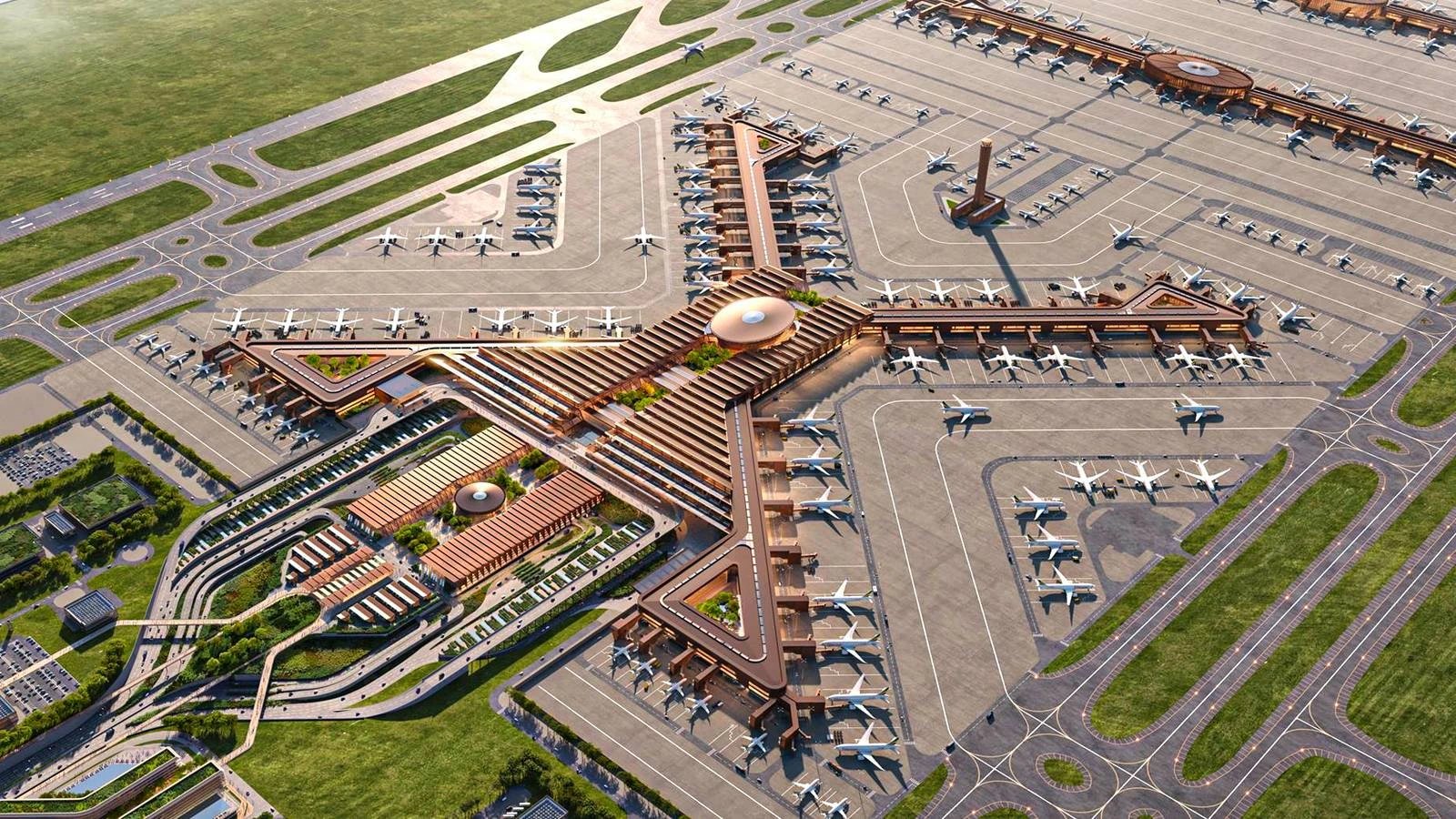
Ethiopian Airlines is building Bishoftu International Airport near Addis Ababa at a first-phase cost of $12.5 billion, with construction starting in January 2026. The hub is designed to handle 60 million passengers initially and up to 110 million annually, positioning it among the world's largest airports. The project raises questions about whether African air travel demand can support such capacity.
Key Facts
- Construction of Bishoftu International Airport began in January 2026 with a first-phase cost of $12.5 billion.
- The airport is planned to handle 60 million passengers annually in its initial phase, expanding to 110 million passengers, four runways, and parking for 270 aircraft.
- Addis Ababa Bole International Airport is approaching its capacity limits as Ethiopian Airlines continues to grow its fleet and network.
- Bishoftu is intended to serve as a gateway connecting Africa with Europe, Asia, the Middle East, and the Americas.
Project Scale
Bishoftu International Airport's first phase is valued at approximately $12.5 billion. The facility is expected to initially handle around 60 million passengers per year. Plans call for eventual expansion to 110 million passengers, four runways, and parking for up to 270 aircraft. This capacity would place Bishoftu among the largest aviation hubs globally.
Market Context
Addis Ababa Bole International Airport is nearing its operational limits. Ethiopian Airlines continues to expand its fleet, passenger numbers, and connecting network. Bishoftu is designed to connect Africa with Europe, Asia, the Middle East, and the Americas. Air travel in Africa remains considerably less developed than in North America, Europe, or Asia.
1 source
Ethiopian Airlines' $12.5B Bishoftu hub tests Africa's aviation demand