
Experimental eye drops restore sight in blind mice
This digest was compiled by AI from multiple sources — links to the originals are below.
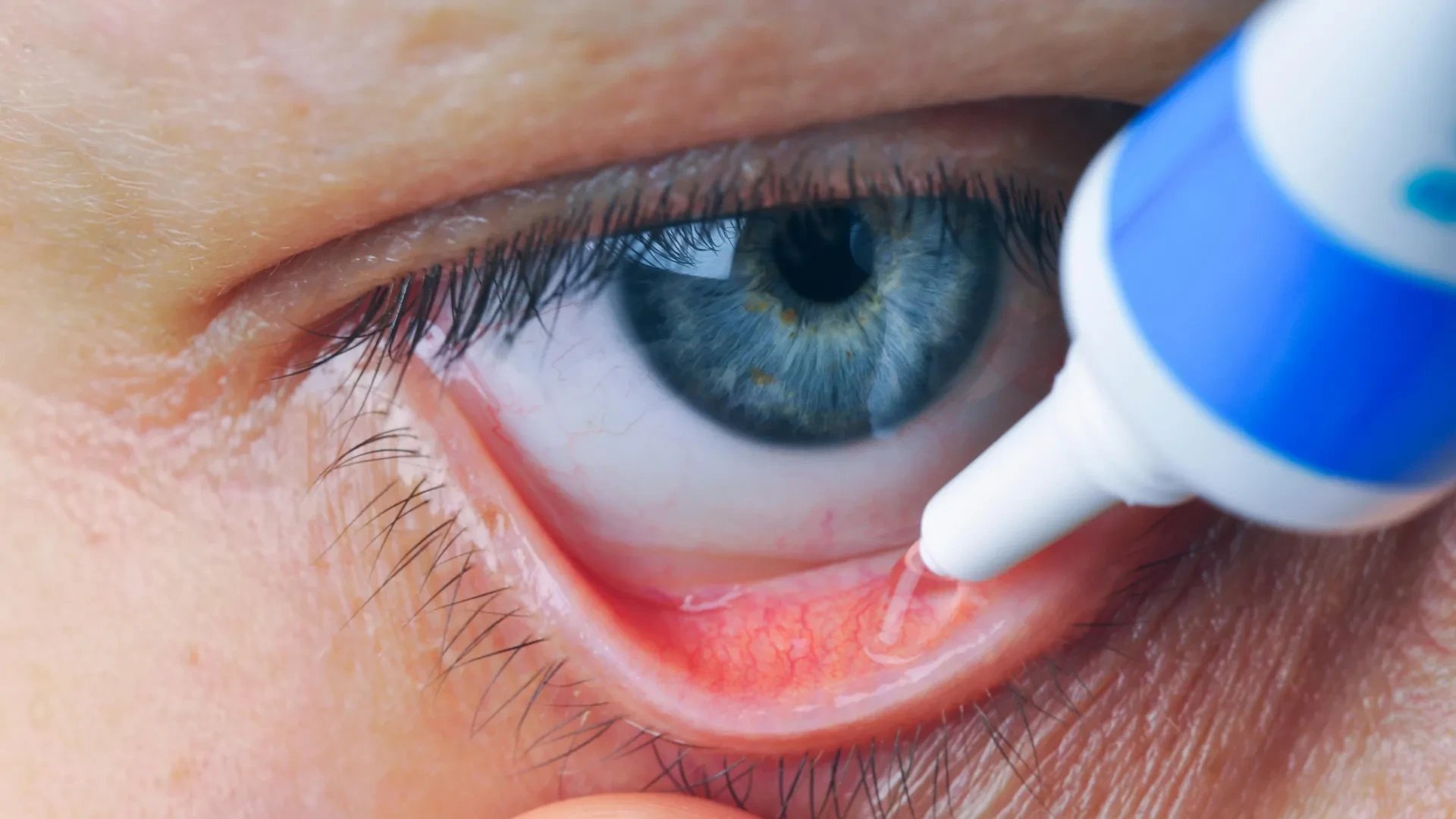
Researchers at the Institute for Bioengineering of Catalonia developed light-activated eye drops that restored vision in blind mice. The compounds target surviving retinal circuitry without genetic modification or implants. The findings were published in the Journal of the American Chemical Society.
Key Facts
- Photoreceptor degeneration affects about 200 million people worldwide and costs over US$400 billion annually.
- The new photoswitchable drugs can be delivered by injection or eye drops and require no genetic modification or implanted device.
- Pau Gorostiza, ICREA Research Professor at IBEC, co-led the study published in JACS.
- The compounds do not cure blindness but restore sight by mimicking healthy retinal function, according to the researchers.
Light-Activated Drug Approach
A consortium led by the Institute for Bioengineering of Catalonia (IBEC) developed a new class of photoswitchable small-molecule drugs. The compounds are designed to take over part of the job normally performed by photoreceptors. They can be delivered by injection into the eye or applied as eye drops, without genetic modification or an implanted device. The compounds have shown promising safety profiles, making them potential candidates for future vision-restoring therapies.
Researcher Statements
Pau Gorostiza, ICREA Research Professor at IBEC and co-leader of the study, said the molecules do not cure blindness but are remarkably effective at restoring sight. Rosalba Sortino, co-first author and postdoctoral researcher at IBEC, said the goal was to restore vision using a molecular mechanism as close as possible to how the healthy retina works.
1 source
Time · lag behind first