South Korea reopens 310,000 missing-person files after police cover-up
This digest was compiled by AI from multiple sources — links to the originals are below.
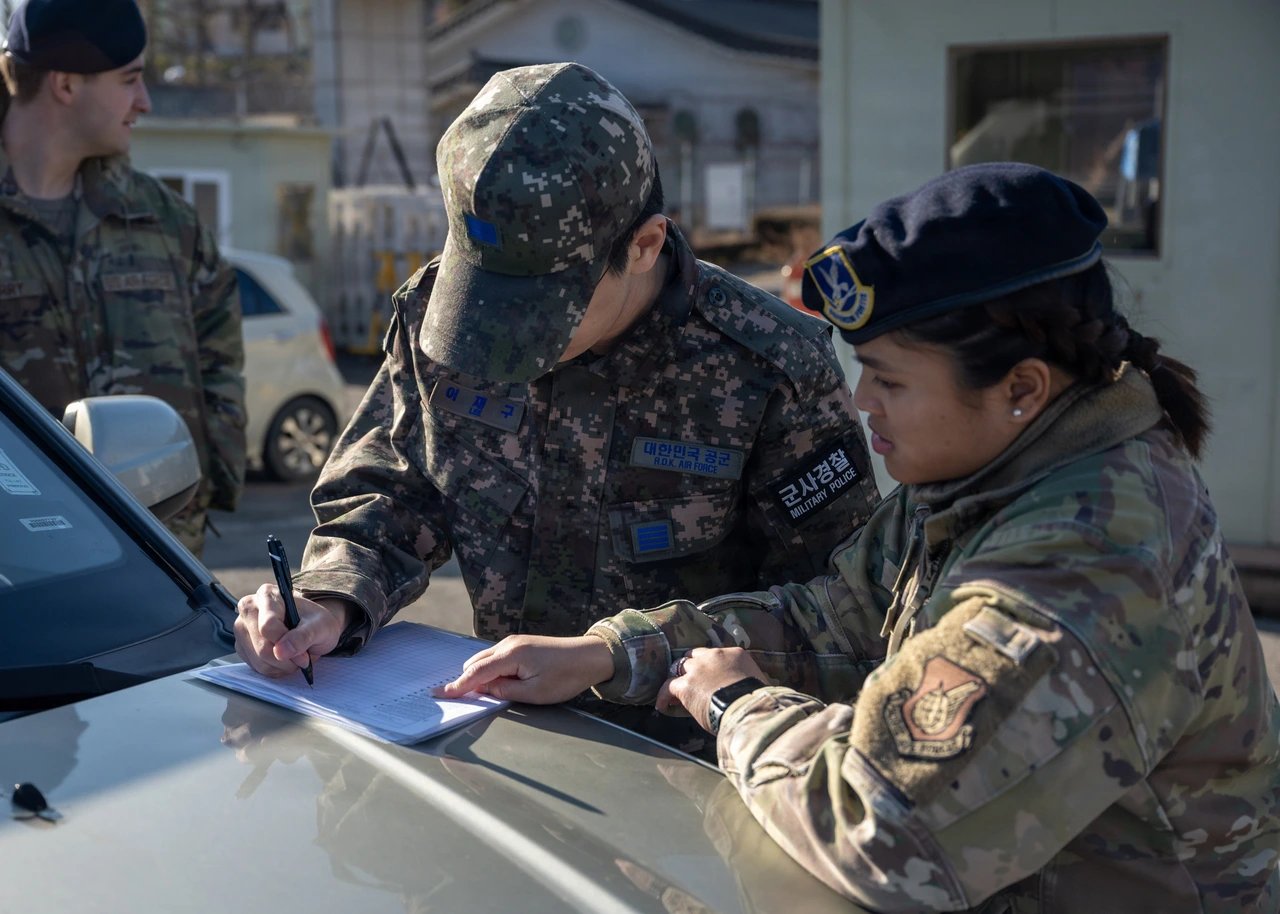
South Korean President Lee Jae-myung ordered a police investigation and reform plan after a scandal over mishandled missing-person cases. Interior Minister Yun Ho-jung apologized Wednesday, citing structural flaws in police procedures. The case has reignited debate over missing-adult protocols in a country where 99.7% of cases are closed without a full search.
Key Facts
- President Lee Jae-myung ordered an investigation into police responsibility and a comprehensive reform plan.
- Interior Minister Yun Ho-jung apologized Wednesday, citing structural flaws in how police handle missing-person cases.
- Last year, South Korea received over 70,000 missing-adult reports, and 99.7% of cases were closed without a full search.
- The arrested officer is accused of closing the file of 37-year-old Jang Mi-ran about two and a half hours after her partner reported her missing.
- Jang Mi-ran's body was found 104 days after her disappearance, 400 meters from where she was staying.
The Scandal
The scandal centers on a police officer at Jeju West Police Station who worked in the missing-persons unit. The officer is accused of closing the file of 37-year-old Jang Mi-ran about two and a half hours after her partner reported her missing in mid-May. He claimed he contacted the missing woman and that she did not want her location shared, but police records show no such call. Jang Mi-ran's body was found 104 days after her disappearance, 400 meters from where she was staying, and the cause of death has not been determined. The same officer is also accused of closing the file of a man in his 60s on the same day his family reported him missing in early July; the man's body was found on Saturday.
Systemic Failures
South Korean law officially recognizes only children, autistic individuals, dementia patients, and people with intellectual disabilities as 'missing.' This status allows police to request phone location data, send emergency alerts to nearby phones, and match family DNA. Adults outside this definition are classified as 'runaways,' and these search tools are not automatically activated for them. Last year, South Korea received over 70,000 missing-adult reports, and 99.7% of cases were closed without a full search. Of those, 931 people were later found dead.
Reform Efforts
President Lee Jae-myung ordered an investigation into police responsibility and a comprehensive reform plan. Interior Minister Yun Ho-jung apologized Wednesday, citing structural flaws in how police handle missing-person cases. According to Yonhap news agency, the review of 310,000 files is planned to be completed by November, and cases with irregularities will be reopened. Over the past decade, more than 10 bills to expand search powers for missing adults have been introduced, but none passed parliament. Opponents argue that adults have the right to disappear voluntarily and that expanded police tracking powers could be abused by creditors or domestic abusers.
1 source
South Korea reopens 310,000 missing-person files after police cover-up