USAID suspension leaves Ghana with estimated $156m gap, including projected $78.2m in health
This digest was compiled by AI from multiple sources — links to the originals are below.
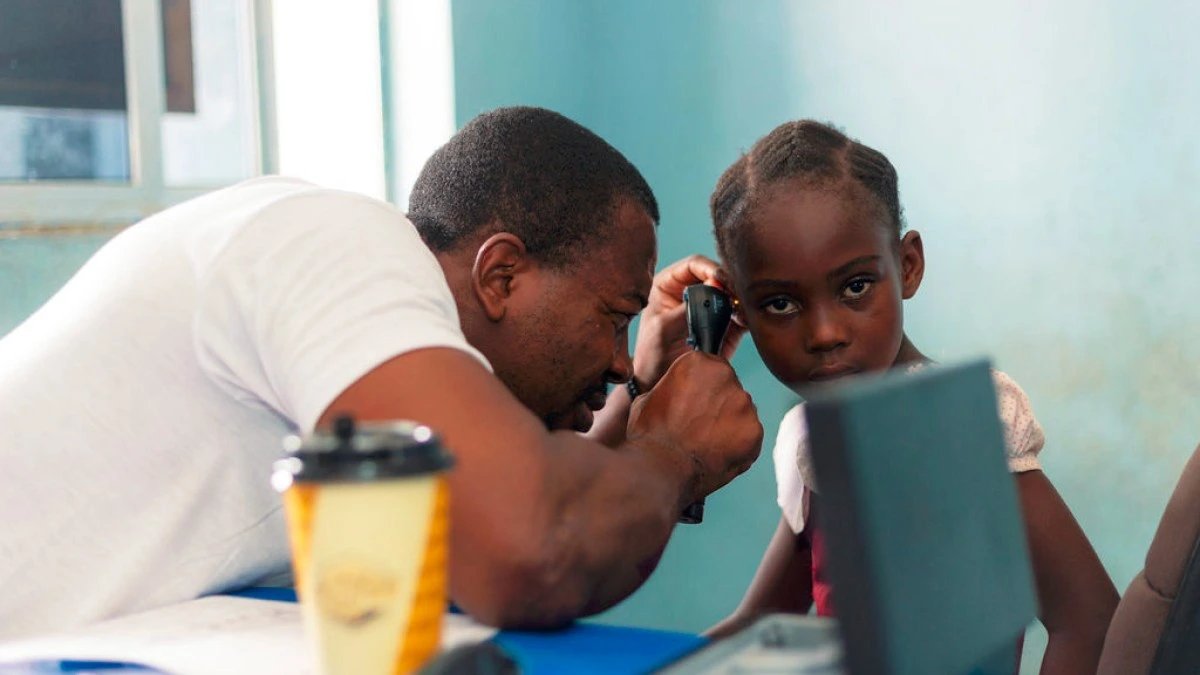
The suspension of USAID programmes has left Ghana facing an estimated $156m funding gap, including a projected $78.2m shortfall in health. The disruption threatens routine child immunisation and other health services. Health officials call for private investment and domestic financing to fill the gap.
Key Facts
- Ghana faces an estimated $156m funding gap across programmes affected by the USAID suspension, including a projected $78.2m shortfall in health.
- The RTS,S malaria vaccine was associated with a 13 percent reduction in mortality among eligible children in Ghana, Kenya and Malawi.
- A study in northern Ghana found that 75 percent of surveyed districts reported vaccine delays or irregular supplies after donor withdrawal.
- Nana Owusu Ensaw, municipal director of health for Akuapim North, said the funding gap is a chance to rethink healthcare financing through the Ghana Medical Trust Fund, or MahamaCares.
Funding Gap
The suspension of USAID programmes left Ghana facing an estimated $156m funding gap across affected programmes. This includes a projected $78.2m shortfall in health, which supported malaria prevention, maternal and child health, nutrition, family planning and HIV services. The disruption has raised concerns about the systems that keep routine immunisation running.
Immunisation Impact
Ghana was among the first countries in Africa to introduce the RTS,S malaria vaccine into its routine immunisation programme. In Ghana, Kenya and Malawi, the vaccine was associated with a 13 percent reduction in mortality among children eligible for vaccination, with roughly one in eight deaths averted. A study examining donor withdrawal in northern Ghana found that 75 percent of the districts surveyed reported vaccine delays or irregular supplies. The study also found constraints affecting cold-chain equipment, delivery kits and transport fuel.
Private Sector Response
Nana Owusu Ensaw, municipal director of health for Akuapim North, said Ghana should use the funding shock to rethink how it pays for healthcare. He said the Ghana Medical Trust Fund, or MahamaCares, is already expanding access to specialised care. John Yabani, medical director of Banahene Specialist Hospital, said private providers were prepared to play a larger role. Yabani said the hospital has been investing in medical tourism and positioning itself to attract patients from across West Africa and the diaspora.
1 source
USAID suspension leaves Ghana with estimated $156m gap, including projected $78.2m in health