Foreshocks precede 92% of fracking-induced quakes in Alberta study
This digest was compiled by AI from multiple sources — links to the originals are below.
A study of a decade of seismic data from Alberta's Western Canada Sedimentary Basin found that 92 percent of fracking-induced earthquakes were preceded by smaller foreshocks. The findings, published August 27 in Science, suggest foreshocks can serve as short-term warnings but may also produce false positives and false negatives.
Key Facts
- Researchers analyzed seismic data from Alberta's Western Canada Sedimentary Basin from 2014 to 2024, covering about 70,000 earthquakes.
- Of 77 fracking-linked mainshocks of at least magnitude 3, 71 (92 percent) were preceded by foreshocks within 5 kilometers and five days.
- The study was published August 27 in Science by Bei Wang of Zhejiang University of Technology and colleagues.
- Ryan Schultz, a seismologist at ETH Zurich not involved in the study, noted that 8 percent of fracking-induced quakes occur with no foreshock warning.
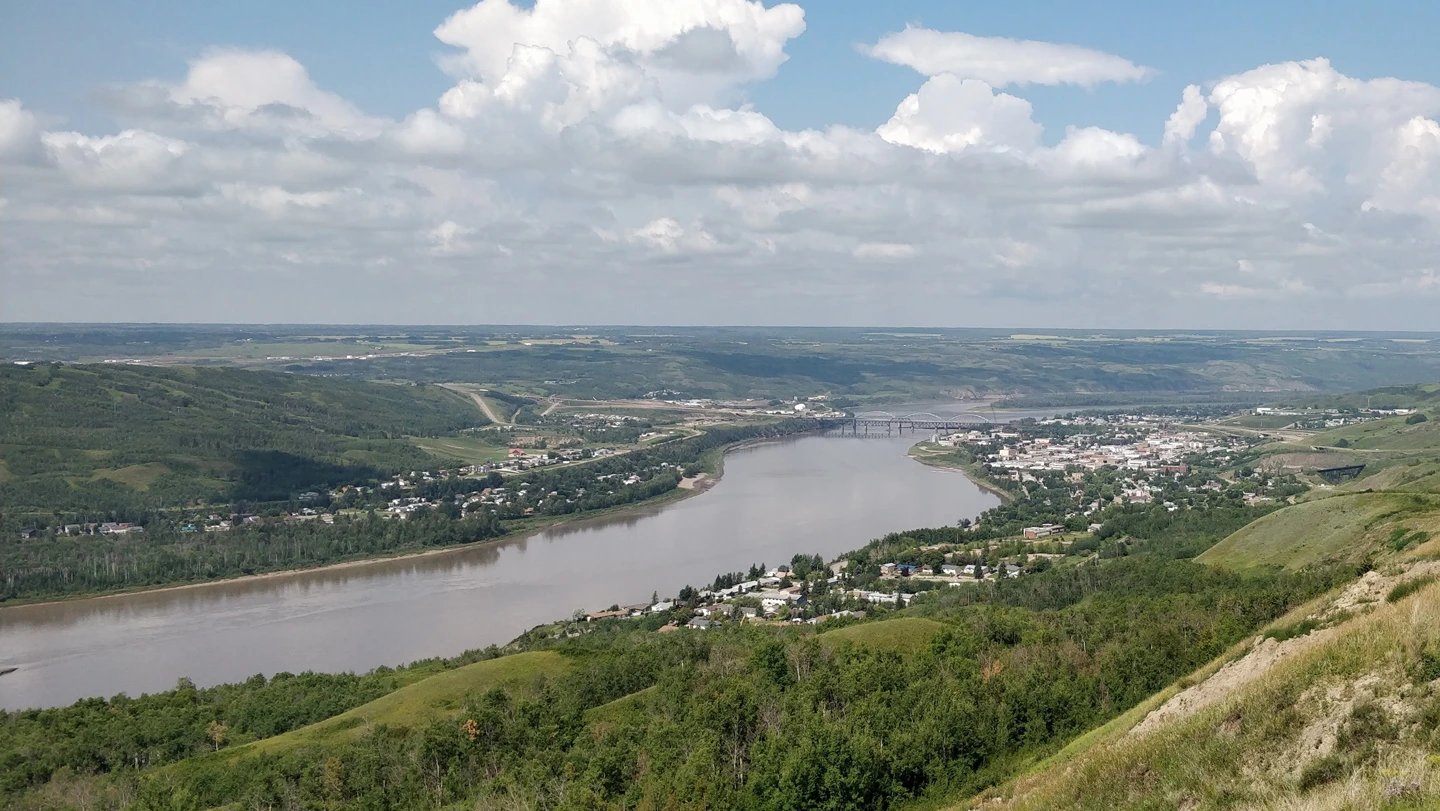
- A 2022 magnitude 5.6 earthquake near Peace River, Canada, was initiated by wastewater injection during oil extraction.
Foreshock Patterns
The study identified 77 mainshocks of at least magnitude 3 linked to fracking in the Western Canada Sedimentary Basin between 2014 and 2024. Foreshocks, defined as smaller quakes within 5 kilometers and five days of a mainshock, preceded 71 of those events. That 92 percent rate suggests foreshocks often provide a yellow-light warning under traffic-light protocols used by regulators. However, the remaining 8 percent of mainshocks occurred without any detected foreshock, skipping the warning stage entirely. The team also noted significant inconsistency in foreshock occurrence, limiting their reliability as predictors.
Regulatory Implications
Traffic-light protocols require operators to halt injection when seismic data suggest a potentially damaging quake is imminent. Foreshocks are the primary signal that flips the light from green to yellow at fracking and wastewater disposal sites. Ryan Schultz of ETH Zurich said the 92 percent foreshock rate means most of the time there is a warning to stop fluid injection. But he added that 8 percent of the time there is no warning, and operations would skip past the yellow light. The study's authors, including Bei Wang of Zhejiang University of Technology, say the causes of foreshocks remain poorly understood.
1 source
Foreshocks precede 92% of fracking-induced quakes in Alberta study