
UN and Red Cross call for treaty banning autonomous weapons
This digest was compiled by AI from multiple sources — links to the originals are below.
UN Secretary-General António Guterres and ICRC President Mirjana Spoljaric called for urgent negotiations on a legally binding treaty to ban autonomous weapons that select and attack targets without human intervention. They warned that military technology is outpacing international rules, creating a moral red line that must not be crossed.
Key Facts
- UN Secretary-General António Guterres and ICRC President Mirjana Spoljaric jointly called for a legally binding international treaty on autonomous weapons.
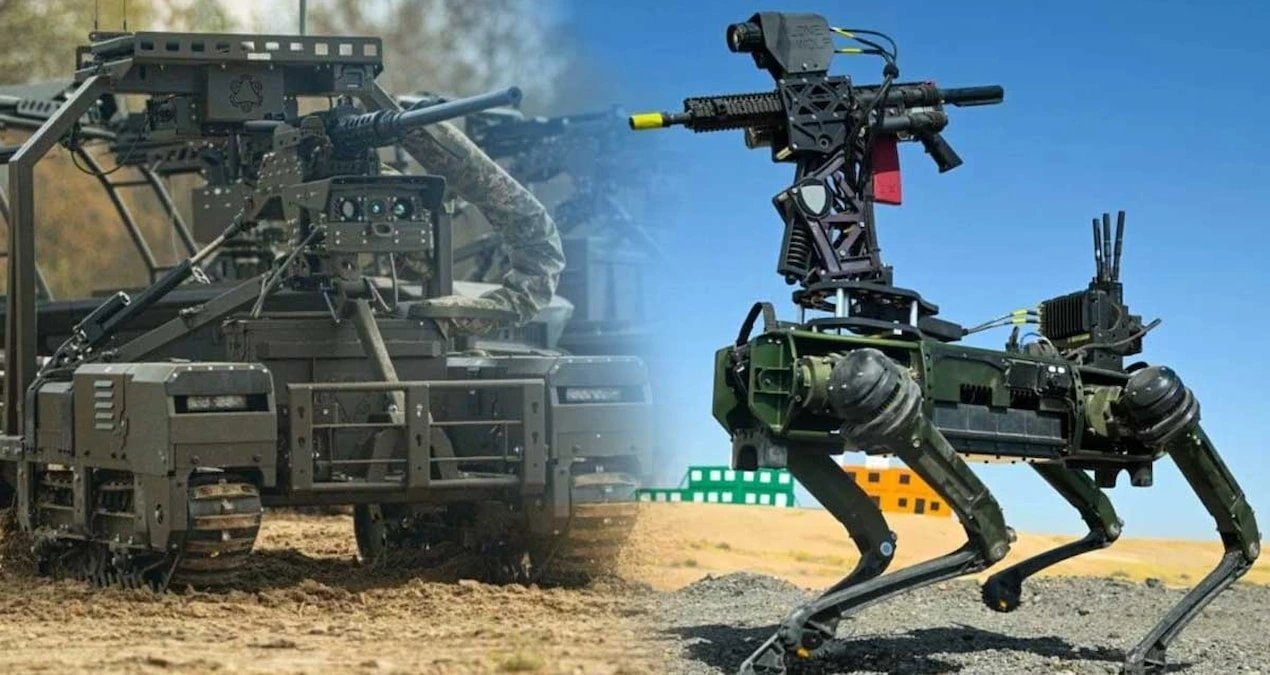
- Autonomous weapons can select and attack targets without human intervention, using sensors to identify silhouettes, movements, electronic signals, or vehicles.
- The two leaders described machines deciding to attack humans as a moral red line that must not be crossed.
- International humanitarian law requires distinguishing civilians from combatants and stopping attacks when excessive risk emerges, decisions that often require human judgment.
The Call for a Treaty
UN Secretary-General António Guterres and ICRC President Mirjana Spoljaric urged states to start negotiations on a legally binding international treaty as soon as possible. They stressed that military technology is advancing faster than the international rules designed to govern it. The two leaders emphasized that allowing machines to decide whether to attack a human is a moral red line that must not be crossed.
How Autonomous Weapons Work
Autonomous weapons differ from remotely piloted drones because they can select targets without human intervention. A system can analyze its environment with sensors and use force against targets matching pre-programmed characteristics such as silhouettes, movements, electronic signals, or vehicles. Even when an operator activates the weapon, the machine may make the final decision on which target to strike, where, and when. This raises serious concerns in cities and densely populated areas where civilians and combatants are in close proximity.
Legal and Accountability Gaps
International humanitarian law requires distinguishing between civilians and combatants, ensuring attacks are proportionate, and halting attacks when excessive risk arises. These decisions often require evaluating rapidly changing conditions and context, which machines may not be able to do. If an autonomous system kills civilians by misidentifying a target, it may be unclear who is responsible.
1 source
Time · lag behind first