
US weighs reviving 19th-century prize courts to seize Iranian oil
This digest was compiled by AI from multiple sources — links to the originals are below.
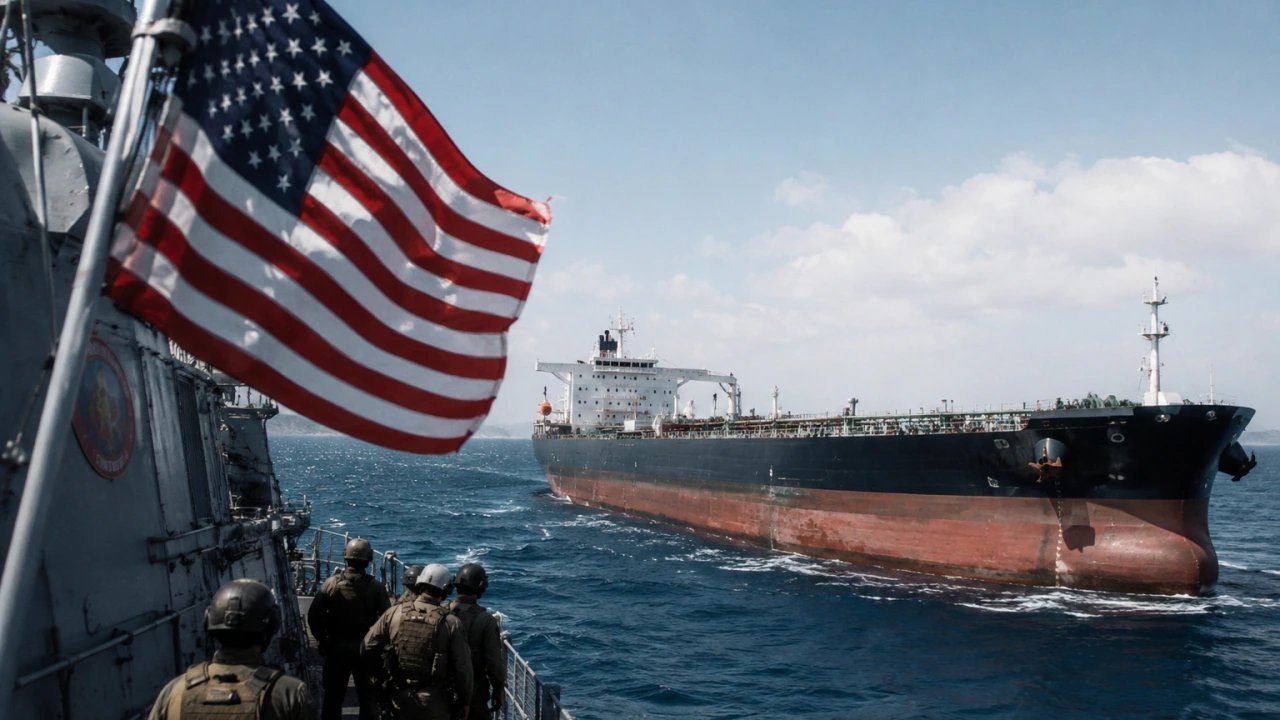
The US Justice Department is considering reviving a special maritime court system to seize Iranian oil tankers and their cargoes as prizes, Bloomberg reports. The mechanism would allow federal prosecutors to seek faster forfeiture of cargoes from vessels linked to adversaries or neutral parties. The move comes as Washington tightens sanctions on Iranian oil exports.
Key Facts
- The US Justice Department is discussing the initiative as part of measures to block Iranian oil exports.
- The main venue for such cases could be the US District Court for the Southern District of Texas.
- The Houston area hosts a major petrochemical complex that could potentially store confiscated oil.
- US prize courts have been largely unused since the Spanish-American War of 1898 and have been dormant since World War II.
- Maritime lawyers and former US prosecutors note that the Justice Department, Navy, and modern judiciary lack significant practical experience in applying prize law.
Proposed Legal Mechanism
The US Justice Department is considering reviving a special maritime court system that would allow seized Iranian oil tankers and their cargoes to be processed as US prizes. The initiative is being discussed as part of measures to block Iranian oil exports. Such a mechanism could give federal prosecutors a faster way to seek state ownership of cargoes seized from vessels linked to an adversary or neutral parties. After legal processing, the confiscated oil would be sold and the proceeds directed to the state treasury.
Venue and Infrastructure
The main venue for such cases could be the US District Court for the Southern District of Texas. The Houston area hosts a major petrochemical complex that could potentially be used to store confiscated oil.
Historical Precedent and Legal Hurdles
US prize courts have a centuries-old history and were used during maritime conflicts to determine the fate of captured vessels and cargoes. They were largely abandoned after the Spanish-American War of 1898 and have been dormant since World War II. Reviving the mechanism could face serious legal obstacles, as tanker owners and other interested parties, including victims of Iranian terrorism, could challenge such decisions in court. Maritime lawyers and former US prosecutors also point to the lack of significant practical experience in applying prize law among the Justice Department, Navy, and modern judiciary. Until now, the US has mainly used civil forfeiture procedures to seize assets linked to sanctions violations, but Washington is now considering a much older and harsher legal tool—prize courts.
1 source
Time · lag behind first