
Mozambique forum weighs displacement as Cabo Delgado conflict enters ninth year
This digest was compiled by AI from multiple sources — links to the originals are below.
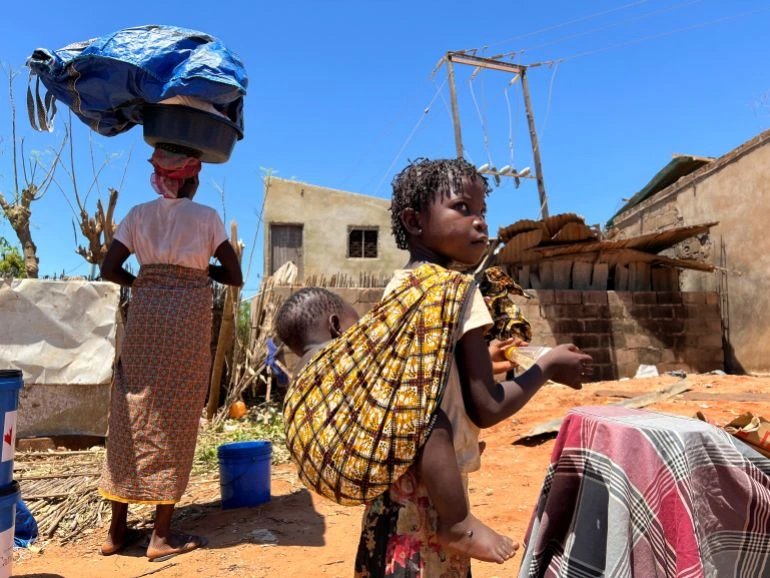
Mozambique's government opened a two-day forum on the future of displaced people as the armed conflict in Cabo Delgado enters its ninth year. The UN reports more than 1.3 million people have fled their homes since 2017, including 100,000 displaced in late 2025 alone. The forum convenes even as renewed attacks since August have spread to all 17 districts of the northern province.
Key Facts
- More than 1.3 million people have fled their homes in Cabo Delgado since 2017, according to the United Nations.
- Between January and July 2026, at least 28,163 people were displaced, 65 percent of them women and children.
- The UN humanitarian response is reaching 619,000 of the 1.1 million people targeted due to funding gaps.
- About 1.8 million people need assistance in Cabo Delgado, including a million children, according to UNICEF.
- Some 6,000 people are believed to have been killed in the conflict since 2017.
Displacement Surge
Renewed clashes between the Mozambican army and allied forces and the ISIL-affiliated group known locally as al-Shabab have worsened the humanitarian situation since late 2025. The latest wave of violence affected all 17 districts of Cabo Delgado for the first time. Some former host communities are now fleeing for safety, while many others are being displaced multiple times. Armed activity has also been reported in formerly safe towns like Mueda, once a hub of displaced people and humanitarian organisations.
Humanitarian Response Gaps
Amid US-led global aid cuts, several aid organisations have exited northern Mozambique or limited their operations. The UN said the humanitarian response is reaching 619,000 of the 1.1 million people recently targeted due to funding gaps. About 1.8 million people need assistance, including a million children, according to UNICEF. Hannah Danziger da Silva, country representative for aid organisation We World, said people are tired and do not want to leave their crops and homes behind again.
1 source
Time · lag behind first