
US 50% tariffs on Canada exclude crude oil, the largest bilateral trade flow
This digest was compiled by AI from multiple sources — links to the originals are below.
Washington imposed a 50% tariff on a wide range of Canadian goods, including furniture, dairy, electrical products, and plywood, after trade negotiations broke down over the weekend. The tariffs exclude crude oil, which accounted for 90% of Canada's crude exports to the US in 2025, worth about CA$126 billion. The exclusion reflects deep mutual dependence: Canada supplied 63% of all US crude imports last year, while the US is the largest buyer of Canadian crude.
Key Facts
- The US imposed a 50% tariff on Canadian furniture, dairy, electrical products, and plywood after trade negotiations broke down over the weekend.
- Crude oil is excluded from the new tariffs; in 2025, the US bought 90% of Canada's crude exports, worth about CA$126 billion of a total CA$140 billion.
- Canada supplied roughly 63% of all US crude imports last year.
- US energy imports from Canada have faced a 10% tariff since March 2025, but some crude can avoid the levy under USMCA preferential treatment.
Tariff Scope
Washington imposed a 50% tariff on a wide range of Canadian goods, including furniture, dairy, electrical products, and plywood, after trade negotiations broke down over the weekend. The tariffs specifically exclude crude oil, one of the most critical products crossing the US-Canada border. Canadian energy exports have faced a 10% tariff since March 2025, though some crude can avoid the levy if it qualifies for preferential treatment under the US-Mexico-Canada Agreement. The latest 50% levies have exempted energy trade entirely.
Mutual Dependence
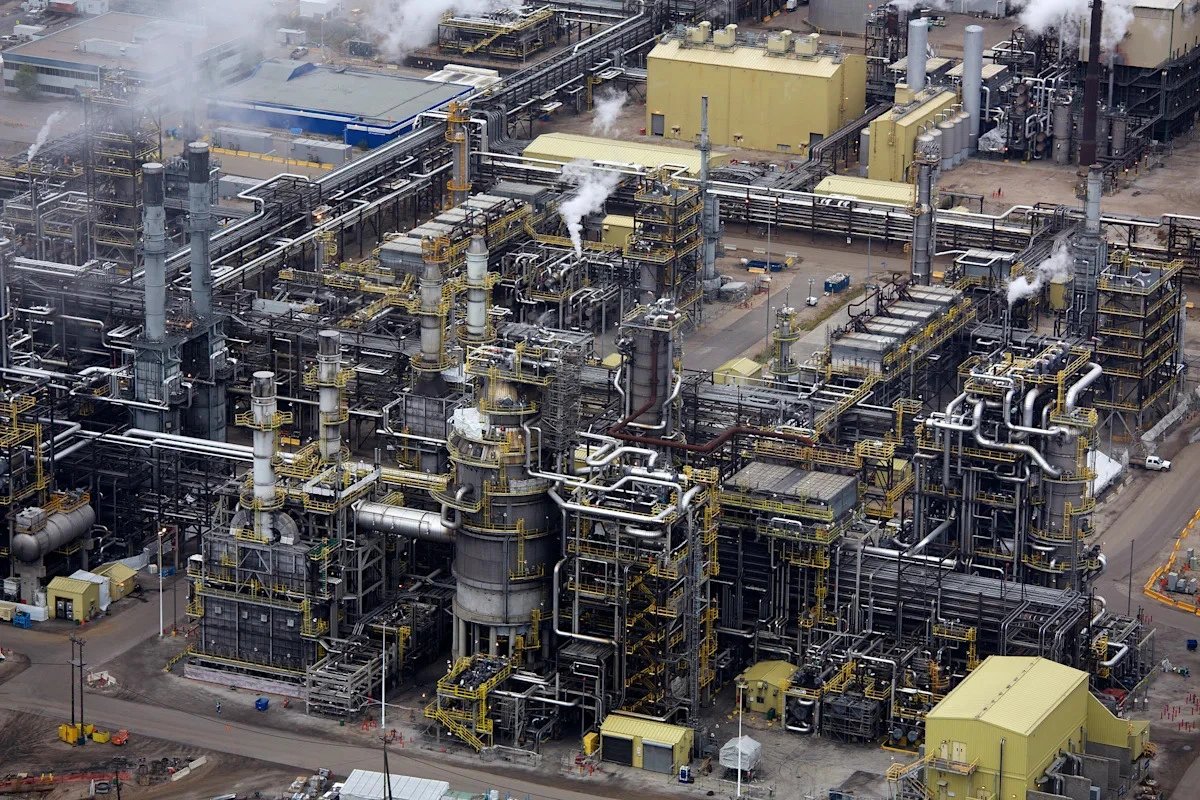
The US is by far the largest buyer of Canadian crude, accounting for 90% of Canada's crude exports in 2025, or roughly CA$126 billion of a total CA$140 billion. Canada supplied roughly 63% of all US crude imports last year. The North American oil industry has become deeply integrated over decades, particularly between Alberta's oil fields and US refineries. Alberta holds massive deposits of bitumen, an extremely heavy form of petroleum found mixed with sand, clay, and water in the province's oil sands. Refiners across the US Midwest invested billions of dollars expanding their capacity to process heavy crude, with growing supplies from Alberta increasingly accessible through cross-border pipeline projects.
Refining Mismatch
Along the Gulf Coast, refineries built and expanded in the 1980s and 1990s to process heavy crude from Venezuela and Mexico were also well suited to processing Alberta's heavy barrels as Canadian supply expanded. The shale boom has made the US the world's largest crude producer, but much of its production is light, sweet oil. Many US refineries are configured to process heavier crude profitably. The US exports large quantities of domestic light crude even as it imports millions of barrels of heavier Canadian oil each day. The decision to leave oil out of the new tariffs exposes a central dilemma: the US can't easily replace the Canadian barrel, and Canada can't easily replace the American buyer.
1 source
Time · lag behind first