Kazakh Vice Minister Says Homeowners Bear Responsibility for Aging Facades After Astana Death
This digest was compiled by AI from multiple sources — links to the originals are below.
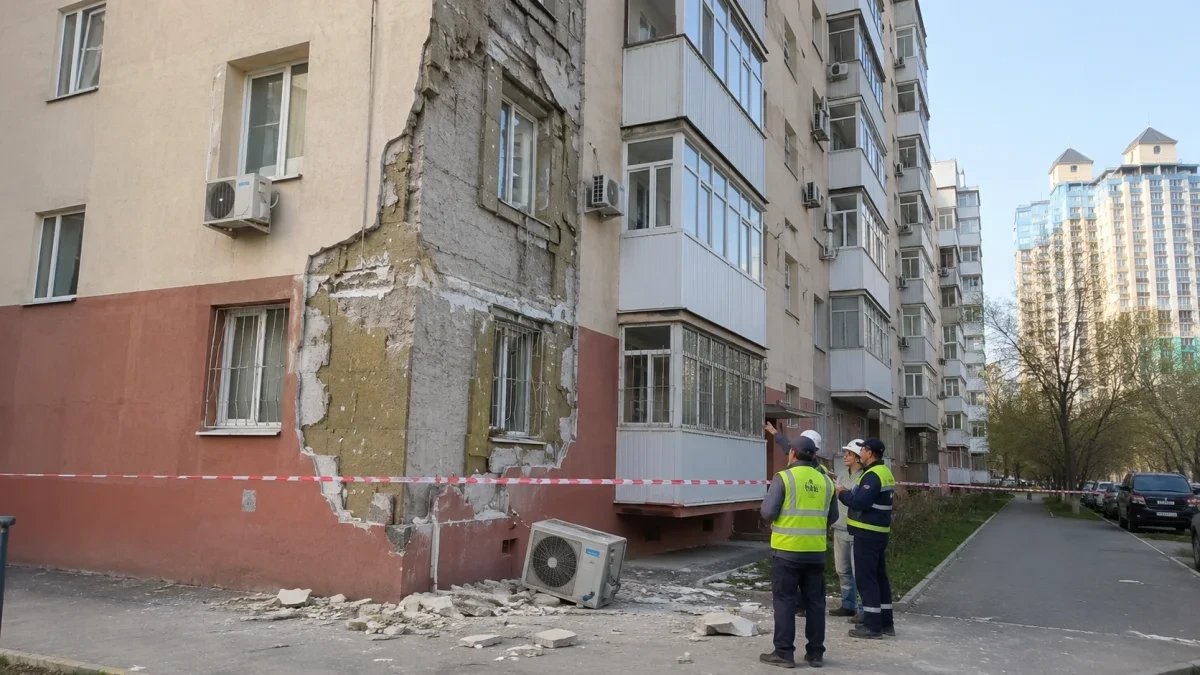
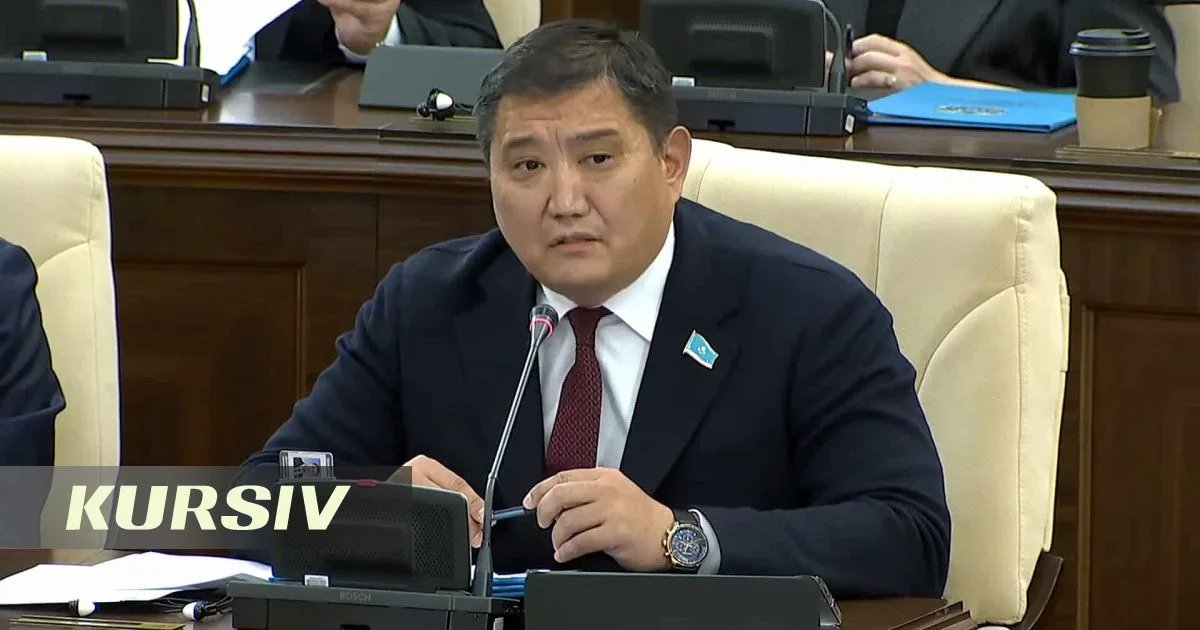
Vice Minister of Industry and Construction Kuandyk Kazhkenov said responsibility for a building's facade shifts to homeowners and management bodies after the developer's warranty expires. He spoke after the death of paramedic Uldana Myrzuan, who was killed by a collapsing facade in Astana on November 8, 2025. Kazhkenov declined to comment on reported construction defects, citing an ongoing court case.
Key Facts
- The minimum warranty for residential buildings in Kazakhstan is now five years, with up to ten years for facades, roofs, and structural elements.
- After the warranty expires, responsibility for the building's condition passes to homeowners and the management body, such as a KSK, OSI, or NSU.
- The facade collapse that killed Uldana Myrzuan occurred on November 8, 2025, near building No. 24B on Tauelsizdik Avenue in Astana.
- Kazhkenov said the building is about 20 years old and that the developer cannot be held responsible for its condition for 20–30 years.
- The OSI chairman must conduct visual inspections of the entire building twice a year, in spring and autumn.
Warranty Limits
Kazhkenov said the Construction Code raised the minimum warranty for buildings to five years. For facades, roofs, and structural elements, the developer's liability can extend to ten years. He stated that after the warranty period, the building is transferred to the balance of the KSK, OSI, or NSU. The building involved in the collapse is about 20 years old, according to Kazhkenov.
Management Duties
Kazhkenov said the OSI chairman must receive the necessary documentation when taking over a building and monitor the condition and wear of its elements. A visual inspection of the entire building must be conducted twice a year, in spring and autumn. Funds accumulated by homeowners on the building's account are intended for current and capital repairs of the facade, roof, and other elements. Kazhkenov noted that the developer may have handed over the building without the air conditioner that later fell during the collapse.
Investigation and Legal Process
A technical inspection and a commission were conducted after the tragedy, according to Kazhkenov. He said some questions relate to the installation of the air conditioner that fell during the collapse. Kazhkenov declined to assess reported construction defects until the court process is completed. He emphasized that the developer, client, author's supervision, and technical supervision all participate in construction and acceptance, so it is necessary to determine who could have violated regulations at each stage.
3 sources
Kazakh Vice Minister Says Homeowners Bear Responsibility for Aging Facades After Astana Death