
Libya's 4+4 committee signs initial election pact in Tunis
This digest was compiled by AI from multiple sources — links to the originals are below.
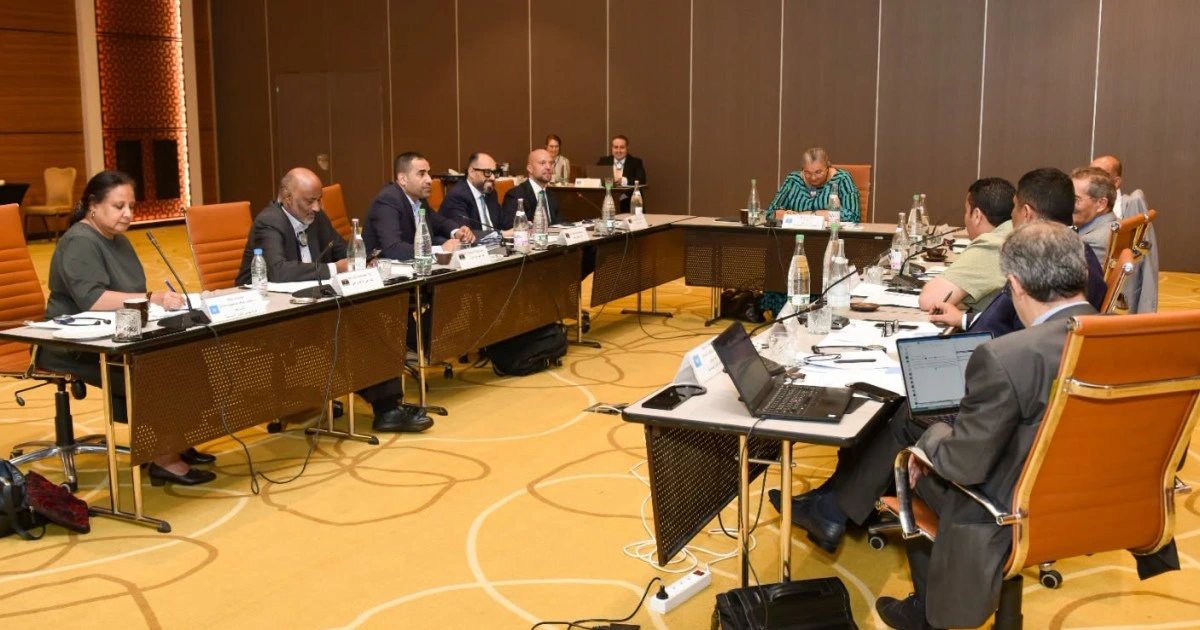
Libyan negotiators from the 4+4 committee signed an initial election pact in Tunis on August 20, covering electoral laws and restructuring of the elections commission. The agreement faces skepticism from key institutions, including the High Council of State and the presidential council, which say it lacks consensus and clarity.
Key Facts
- The 4+4 committee signed the initial draft in Tunis on August 20.
- The pact covers electoral laws and restructuring of the national elections commission.
- The committee consists of four representatives from the House of Representatives and four from the High Council of State.
- High Council of State member Nuh al-Malati said the council has not received an official copy of the agreement.
- Presidential council leader Mohamed al-Menfi criticized the ambiguity surrounding the basis of the talks.
The Agreement
The United Nations-backed 4+4 committee signed the initial draft in Tunis on August 20. The agreement covers electoral laws and the restructuring of the national elections commission. The committee consists of four representatives from the House of Representatives, based in eastern Libya, and four from the High Council of State, linked to the Government of National Unity in Tripoli. Legal expert Al-Mahdi Kashbour said there appears to be a gap between the powers of the parties that signed the agreement and the institutions with the authority to implement it.
Institutional Reservations
High Council of State member Nuh al-Malati said the council has not yet received an official copy of the agreement. Al-Malati claimed that the Government of National Unity-linked members of the 4+4 do not represent the official position of the council. Presidential council leader Mohamed al-Menfi criticized the ambiguity surrounding the basis of the talks. Al-Menfi said the success of any consensus is linked to the clarity of its basis, jurisdictions, and applicability, especially regarding sovereign institutions like the elections commission.
Implementation Challenges
Political analyst Elias Al-Barouni stressed that the pact does not make any concrete plans for the country's elections. Even if legal hurdles are cleared, the problem shifts to who governs Libya in the interim, Al-Barouni added. The transitional authority would control state resources and navigate a highly sensitive security environment.
1 source
Time · lag behind first