
US Supreme Court allows Trump mail voting restrictions to proceed
This digest was compiled by AI from multiple sources — links to the originals are below.
The US Supreme Court cleared the way for President Donald Trump's executive order restricting mail voting to proceed, dismissing one of two injunctions. The 6-3 decision found that 24 states lacked standing to sue because the disputed sections do not require or forbid anything outside the executive branch. The ruling leaves room for further challenges as November midterm elections approach.
Key Facts
- The Supreme Court dismissed one of two injunctions blocking Trump's mail voting order, with the 6-3 conservative majority ruling that 24 states lacked standing.
- Trump's executive order, signed in March, directs the US Postal Service to deliver mail ballots only to people on State Citizenship Lists created from federal data.
- Democratic officials in 23 states and the District of Columbia sued to block the order, arguing the Constitution gives states and Congress power to run elections.
- A Massachusetts judge blocked the plan for the midterm elections in those states, and an appeals court upheld her decision before she granted a second nationwide order.
- The three liberal justices dissented from the decision, which leaves room for additional court challenges before November.
The Supreme Court Ruling
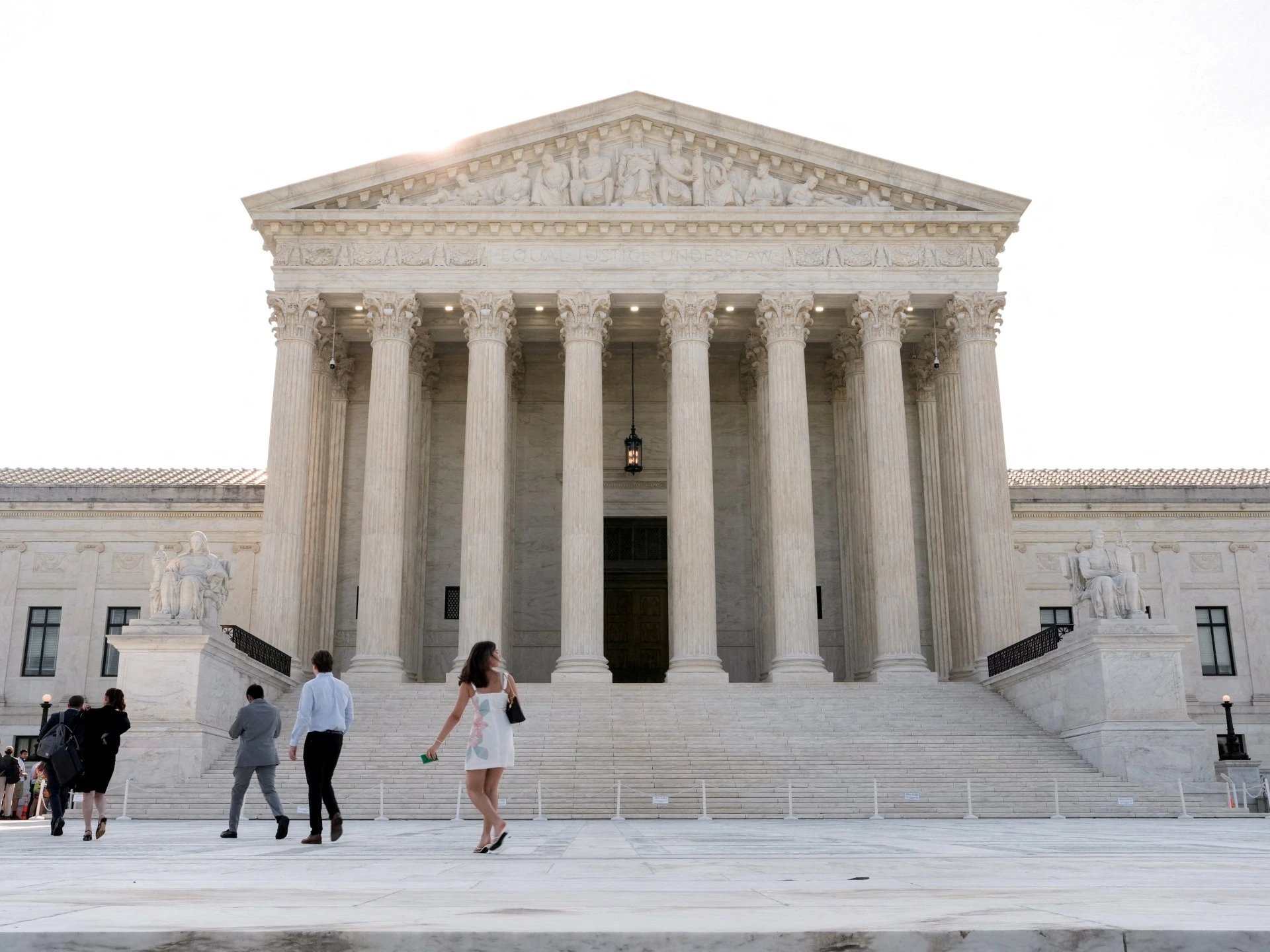
The Supreme Court dismissed one of two lawsuits blocking the Trump administration from implementing changes to US Postal Service regulations regarding mail-in ballots. The 6-3 decision found that California and 23 other states lacked standing because they could not prove the regulations would cause concrete harm. The court's conservative majority ruled that the disputed sections neither require nor forbid anything of anyone outside the executive branch. The three liberal justices dissented from the decision, which leaves room for additional court challenges that could further slow Trump's order.
Executive Order and Legal Challenges
Trump's executive order, signed in March, calls on his administration to create lists of eligible voters and orders the US Postal Service to deliver mail ballots only to people on those lists. Democratic officials in 23 states and the District of Columbia sued to block the order, arguing that the US Constitution gives states and Congress the power to run elections. Lawyers for the states wrote that the consequences of allowing such transformative changes to take effect so close to this fall's elections would be extreme. A judge in Massachusetts blocked the plan for the midterm elections in those states, and an appeals court upheld her decision before she later granted a second order blocking it nationwide. The Trump administration appealed to the Supreme Court on procedural grounds in late July, arguing that the states sued too soon.
Implementation and Election Timeline
The US Postal Service laid out how it would implement the order last week, but time is running short to impose major changes with some states beginning to send mail ballots to voters in just a few weeks. Dozens of state and local election officials asked the justices to leave the order frozen while election preparations are already underway. Federal attorneys argued that the Massachusetts order blocks the government's ability to finalize and implement the President's proposed policies to promote election integrity for the upcoming federal elections in November. Voting by mail has long been a favourite target for Trump, who has claimed that it breeds fraud despite strong evidence to the contrary and his own use of the voting method.
2 sources
Time · lag behind first