
Philippine floods expose defective flood-control projects and 400 tons of Manila Bay trash
This digest was compiled by AI from multiple sources — links to the originals are below.
Severe flooding in Metro Manila and nearby areas for almost two weeks exposed defective and non-existent flood-control projects tied to corruption. President Ferdinand Marcos Jr. inspected pumping stations and coastal areas swamped with trash, while his office promised continued investigation into irregularities. Environmentalists rejected his waste-to-energy proposal as a false solution that would increase greenhouse gas emissions.
Key Facts
- Almost two weeks of severe flooding in Metro Manila and nearby urban areas cancelled classes, stranded thousands of workers, and forced evacuations in low-lying areas.
- Three days of clearing operations in one city collected 400 tons of garbage from Manila Bay waters, enough to fill 72 dump trucks.
- President Ferdinand Marcos Jr. pushed for building waste-to-energy plants as a solution to the garbage problem.
- Environmentalists called the waste-to-energy plan a false solution because burning waste contributes to greenhouse gas emissions and can release hazardous pollutants.
- Congress is set to deliberate the Marcos administration's proposed 2027 national budget, with debates on the disaster's causes expected to continue.
Flooding and Infrastructure Failures
Recent non-stop rains inundated Metro Manila and nearby urban areas, revealing the scale of the garbage problem and the impact of corruption-tainted flood control projects. Fast rising water levels caused dams to overspill, worsening flooding in the country's largest urban center. Many citizens saw a connection between faulty and substandard infrastructure projects and the flooding, reviving public outrage against corrupt lawmakers and contractors. Citizens documented the flooding and called out officials for inaction and involvement in the flood-control scam, pointing to slow prosecution and selective targeting of implicated politicians.
Government Response and Garbage Crisis
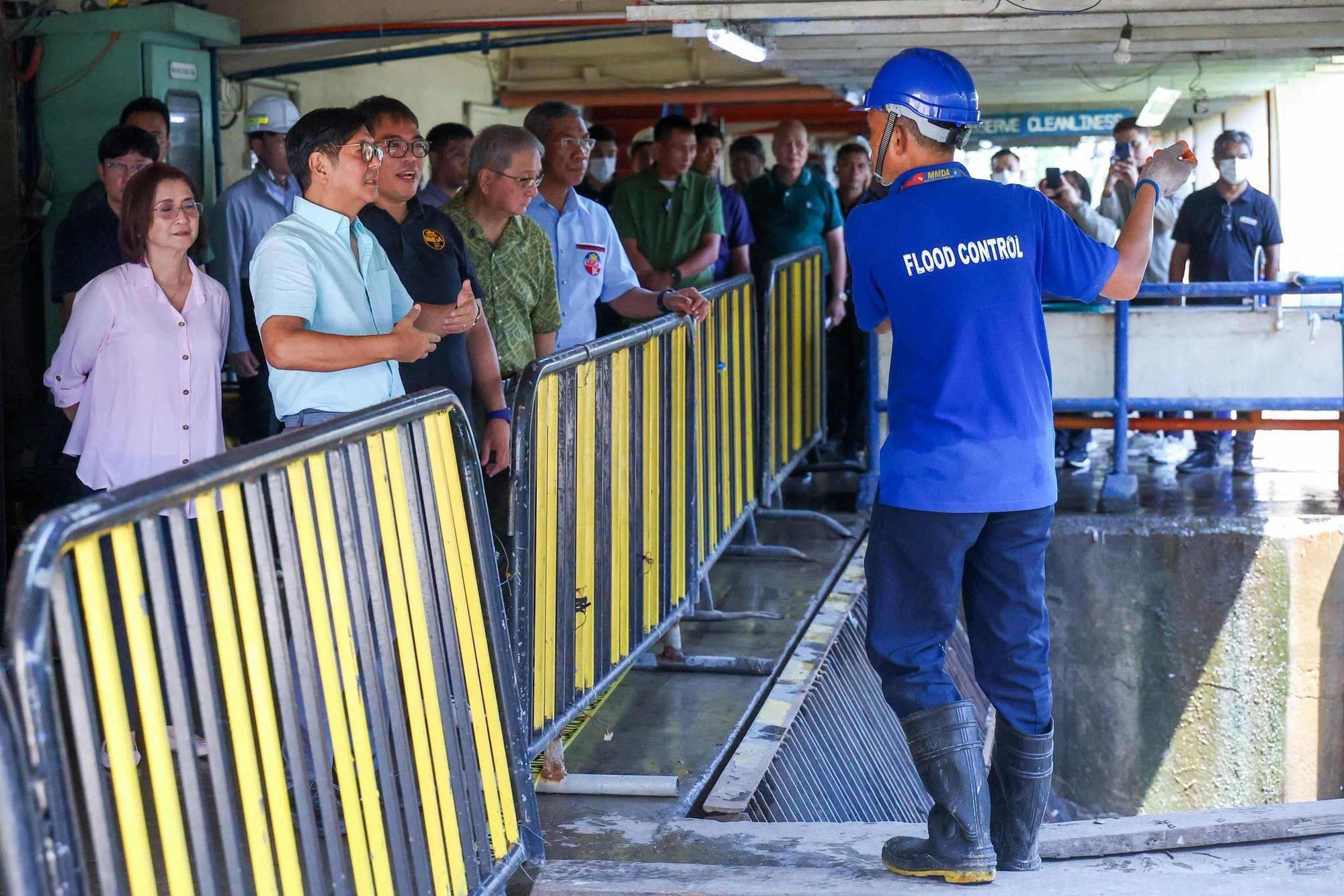
President Ferdinand Marcos Jr. inspected pumping stations and coastal areas swamped with a sea of trash, affirming the urgency of addressing corruption. Marcos insisted flood control will be rendered useless if garbage continues to pollute water systems and pushed for waste-to-energy plants as a solution. The government noted the crisis in waste disposal and enjoined the public to foster a culture of discipline in managing trash.
Environmentalist Opposition
Environmentalists reminded the president to focus on the roots of the garbage catastrophe linked to the relentless, unchecked flood of single-use plastics being pumped into the economy by major corporations. They called the plan to build waste-to-energy facilities a false solution since burning waste contributes to greenhouse gas emissions and can release hazardous pollutants. The floodwaters have receded, but debates about what caused the disaster are expected to continue as Congress deliberates the proposed 2027 national budget.
1 source
Time · lag behind first