
Solar energy expansion in China linked to 2.1% bird diversity decline
This digest was compiled by AI from multiple sources — links to the originals are below.
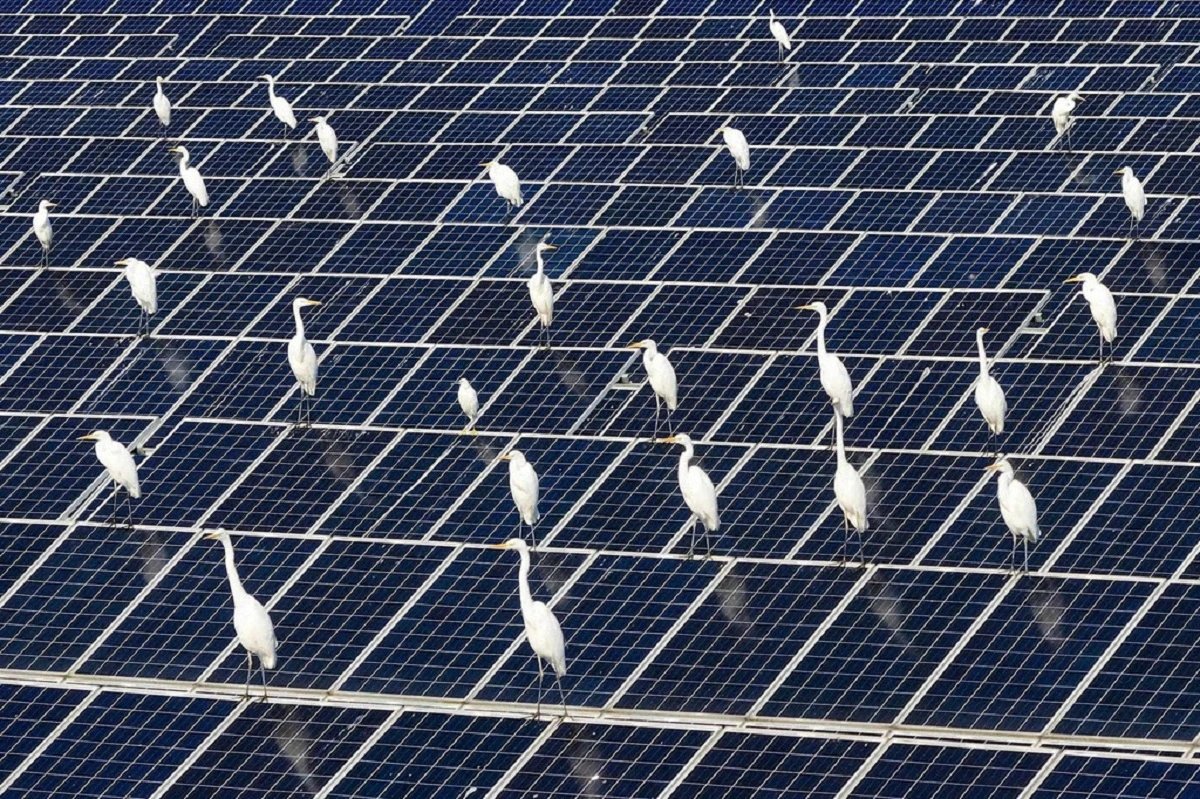
A study of 2,344 Chinese districts from 2014 to 2023 found that stronger solar energy support policies were associated with a 2.1% decline in bird diversity. The effect was strongest in wealthier, non-desert regions. Researchers attribute the decline to land-use changes and 'inferior greening' from solar installations.
Key Facts
- Researchers analyzed data from 2,344 Chinese districts over the period 2014–2023.
- A one standard deviation increase in solar energy support policy intensity was associated with a 2.1% decline in the Shannon bird diversity index.
- The strongest declines occurred in wealthier, non-desert regions, while desert and sand-gravel areas showed significantly weaker effects.
- The study was published in the journal Science and involved researchers from China, the United States, and Vietnam.
Study Methodology
The international team examined 2,344 Chinese districts from 2014 to 2023. They compared the intensity of government support for solar energy with changes in bird species diversity using the Shannon index. The Shannon index accounts for both the number of species and their relative abundance. The study was published in the journal Science and involved researchers from China, the United States, and Vietnam.
Land-Use and Greening Effects
The main driver identified was land-use change, as agricultural and grassland areas were converted to built-up sites. This conversion reduced and fragmented habitats where birds feed and nest. In some areas, vegetation cover increased after solar construction, but plant diversity decreased. Researchers called this phenomenon 'inferior greening', where a greener appearance does not mean better habitat for wildlife.
Regional Variation
The decline in bird diversity was most pronounced in wealthier, non-desert regions with more complex natural environments. Desert and sand-gravel areas showed significantly weaker effects. Most large solar projects in China have historically been concentrated in the north and west, including arid areas. The researchers argue that further solar development requires more careful site selection.
1 source
Time · lag behind first