
Oil falls 1.5% as Bessent set to unveil tougher Iran sanctions
This digest was compiled by AI from multiple sources — links to the originals are below.
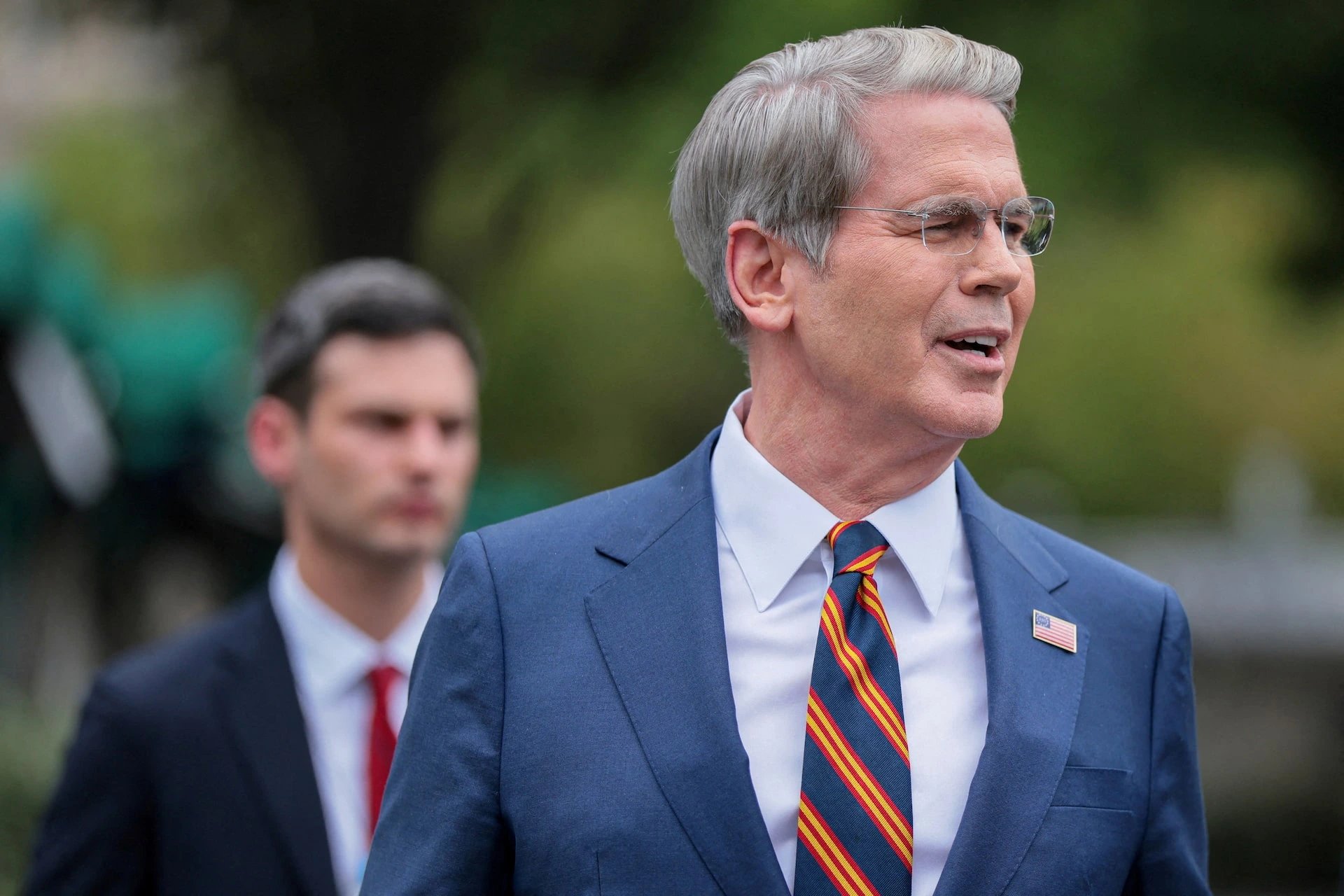
Oil prices dropped 1.5% in Asian trading on Monday as investors awaited details of U.S. Treasury Secretary Scott Bessent's new sanctions on Iran. Bessent is set to hold a press conference at 2 p.m. EDT (1800 GMT) to announce measures against a country that has faced U.S. sanctions since 1979. The move comes as analysts warn Tehran may retaliate against Gulf energy infrastructure.
Key Facts
- Oil prices fell 1.5% in Asian trading on Monday, August 24, 2026.
- U.S. Treasury Secretary Scott Bessent will hold a press conference at 2 p.m. EDT (1800 GMT) to announce tougher sanctions on Iran.
- Iran has vowed to shut down all oil exports from the Gulf "if the economic war continues."
- Yields on 30-year U.S. Treasury bonds are trading around 5.25%, near last week's 19-year peak of 5.3371%.
- Nvidia's results are due on Wednesday, with options implying a swing of 5.0% to 6.5% in either direction after the report.
Iran Sanctions Announcement
Bessent's press conference will reveal measures against Iran, which has endured near-continuous U.S. economic sanctions since the Islamic Revolution of 1979. President Trump has said sanctions will also hit any country that aids Iran, but has not mentioned Russia or China. Analysts worry Tehran will retaliate with attacks against energy infrastructure in the Gulf. The shift to sanctions is seen by some as an admission that military action has failed and the conflict will drag on.
Treasury Market and Fed Policy
Bessent is likely to face questions about his double buyback plan for bonds, which has had limited success in calming the Treasury market. Yields on 30-year bonds are trading around 5.25%, near last week's 19-year peak of 5.3371%. Analysts note that buybacks do not address underlying debt and deficit problems, merely swapping longer-dated debt for shorter-dated paper at likely higher yields. Bessent's effort to loosen financial conditions conflicts with Fed Chair Warsh's reliance on the bond market to tighten policy without raising the cash rate. Warsh is expected to face questions on the buyback at Jackson Hole on Friday.
Canada Trade War Risk
The Canadian dollar initially dipped on rising risk of an all-out trade war, but has since regained most of the loss. The U.S. dollar is at 1.3791 Canadian dollars, not far from last week's three-month trough of 1.3729. Canadian Prime Minister Mark Carney is wagering that adding a trade war to an actual war weeks before the U.S. midterms will hurt Trump with consumers facing high living costs. Tech-heavy markets in Japan, South Korea and Taiwan are on edge ahead of Nvidia's results on Wednesday.
1 source
Time · lag behind first