
Kazakhstan's New Unicameral Kurultai Begins Constitutional Reform Implementation
This digest was compiled by AI from multiple sources — links to the originals are below.
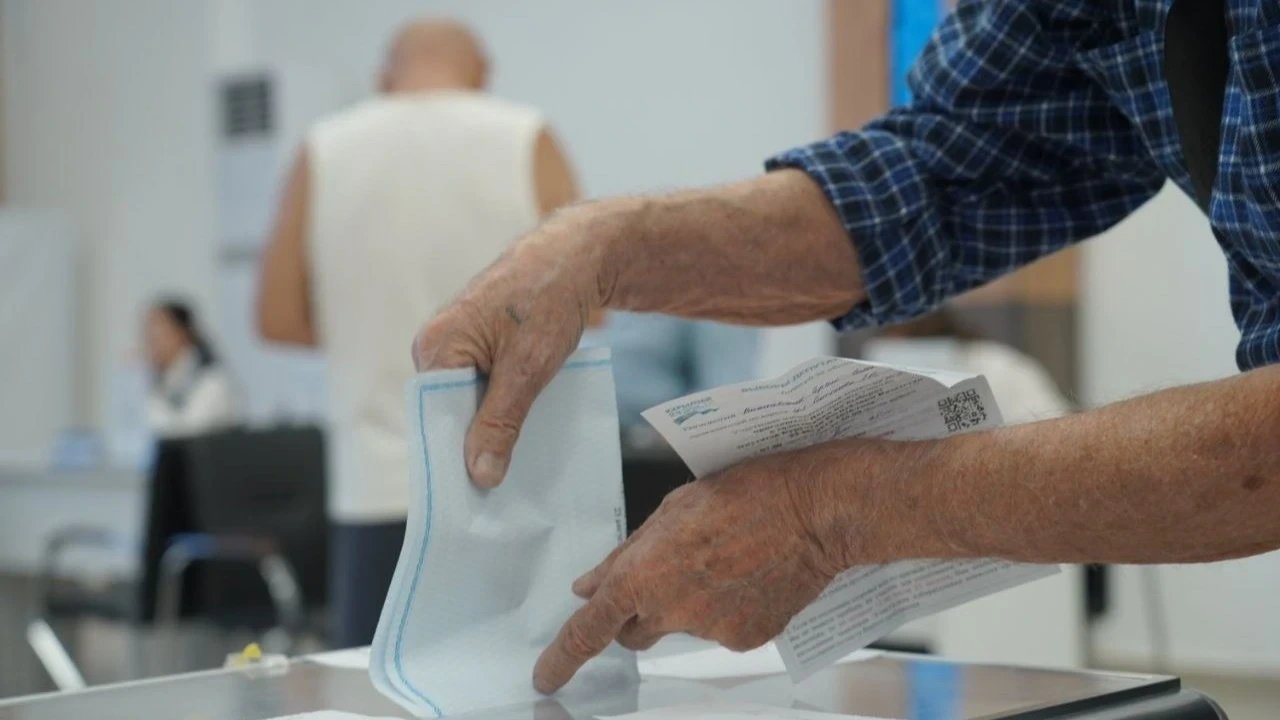
Kazakhstan's parliamentary elections launch a new institutional model enshrined in the Constitution, transitioning to a unicameral Kurultai. The new parliament will adopt laws in three readings, a change expected to improve legislative quality. The elections complete one stage of political reform and open the next, with effectiveness of new institutions now key.
Key Facts
- Kazakhstan's new unicameral Kurultai will adopt laws in three readings, a change from the previous legislative process.
- The elections complete one stage of political reform and open the next, with much depending on how effectively new institutions use their powers.
- President Tokayev announced that certain changes will occur in the government's composition, with personnel decisions tied to state modernization tasks.
- The new Kurultai will inevitably influence interaction between legislative and executive branches, requiring the government to work with parliament under new institutional conditions.
Unicameral Kurultai Transition
The elections launch a new institutional model enshrined in the Constitution, moving from discussion of constitutional changes to their direct implementation. The key change is the transition to a unicameral Kurultai, altering not only the parliament's structure but also the legislative process itself. Laws will now be adopted in three readings, a procedure expected to allow more detailed consideration of bills and ultimately improve legislative quality. The effectiveness of new institutions in exercising their powers will determine the success of the next reform stage.
Deputy Accountability Mechanisms
Raising real responsibility of the deputy corps before society requires combining several mechanisms, including political accountability of parties that nominated candidates and presented programs to voters. After the elections, it will be necessary to assess how parliamentary activity corresponds to campaign promises. Openness of the Kurultai's work is essential, so voters understand how deputies vote, what initiatives they propose, and how actively they work on bills and interact with citizens. Deputy responsibility should not be limited to the election campaign period; interaction with voters must continue constantly. The president's task of improving law quality and accountability for promises sets clear criteria for society to evaluate the new deputy corps.
Government Restructuring and Executive-Legislative Relations
President Tokayev indicated that personnel decisions should be driven by tasks of further state modernization, rather than specific personalities. The new constitutional and political reality demands greater effectiveness from the government in implementing economic and social reforms, regional development, infrastructure, digitalization, and other areas. The main criterion for ministers and state bodies should be concrete results of their work. The emergence of the new Kurultai will inevitably affect interaction between legislative and executive branches, requiring the government to work with parliament under new institutional conditions.
1 source
Time · lag behind first