Lebanon's banking collapse traces to 1990s dollar-peg model, not 2019 protests
This digest was compiled by AI from multiple sources — links to the originals are below.
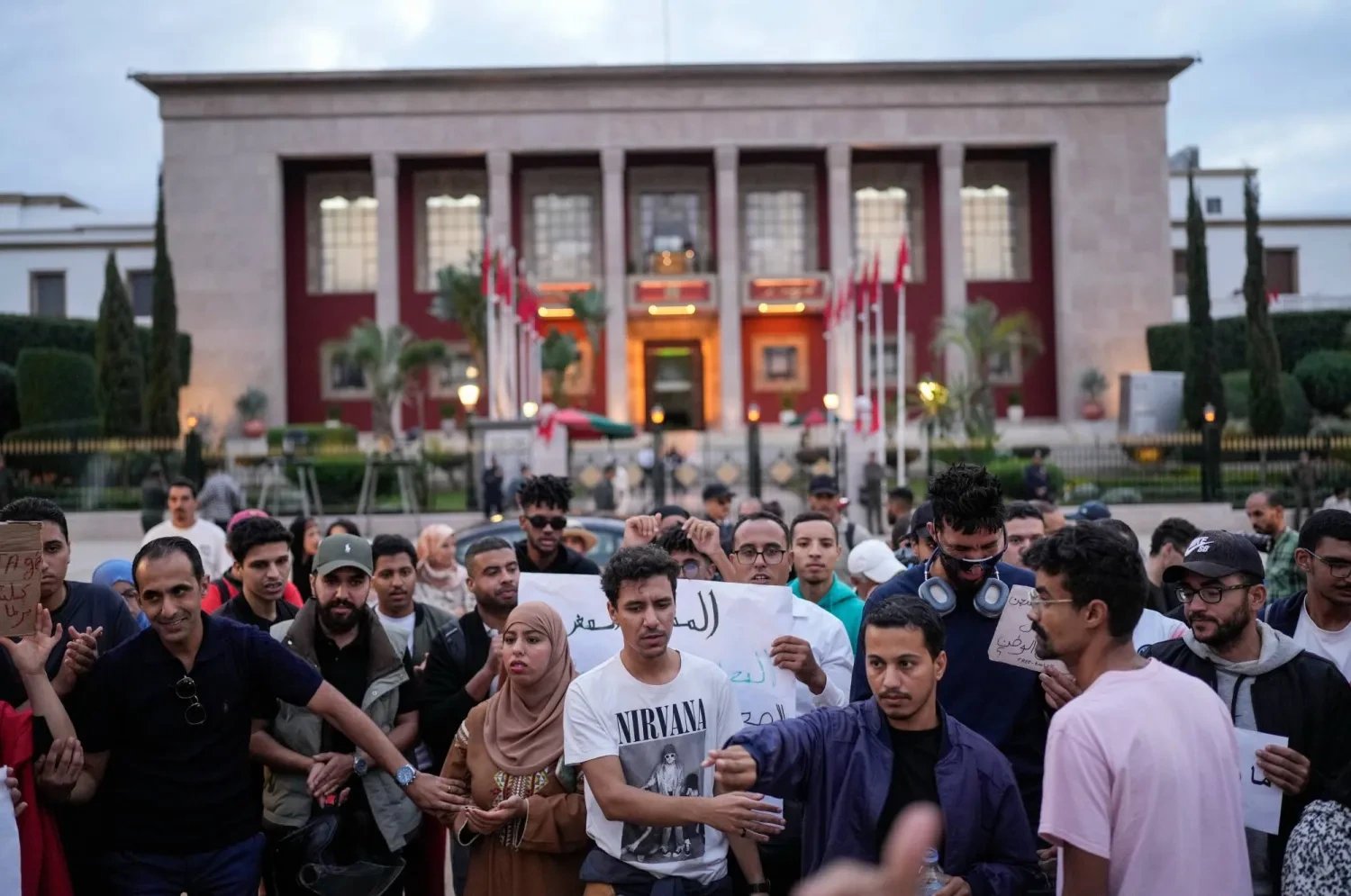
Lebanon's banking collapse, publicly exposed in 2019, stems from a dollar-peg model adopted in 1993 under central bank governor Riad Salameh. Banks channeled high-interest deposits to the state and central bank until new dollar inflows dried up. The system's failure left depositors unable to access savings as the lira lost value.
Key Facts
- Lebanon adopted a dollar-peg model in 1993 under central bank governor Riad Salameh.
- Central bank reserves rose to about $41 billion in 2016 through 'financial engineering' operations.
- Lebanon defaulted on a $1.2 billion Eurobond payment on March 7, 2020, its first sovereign debt default.
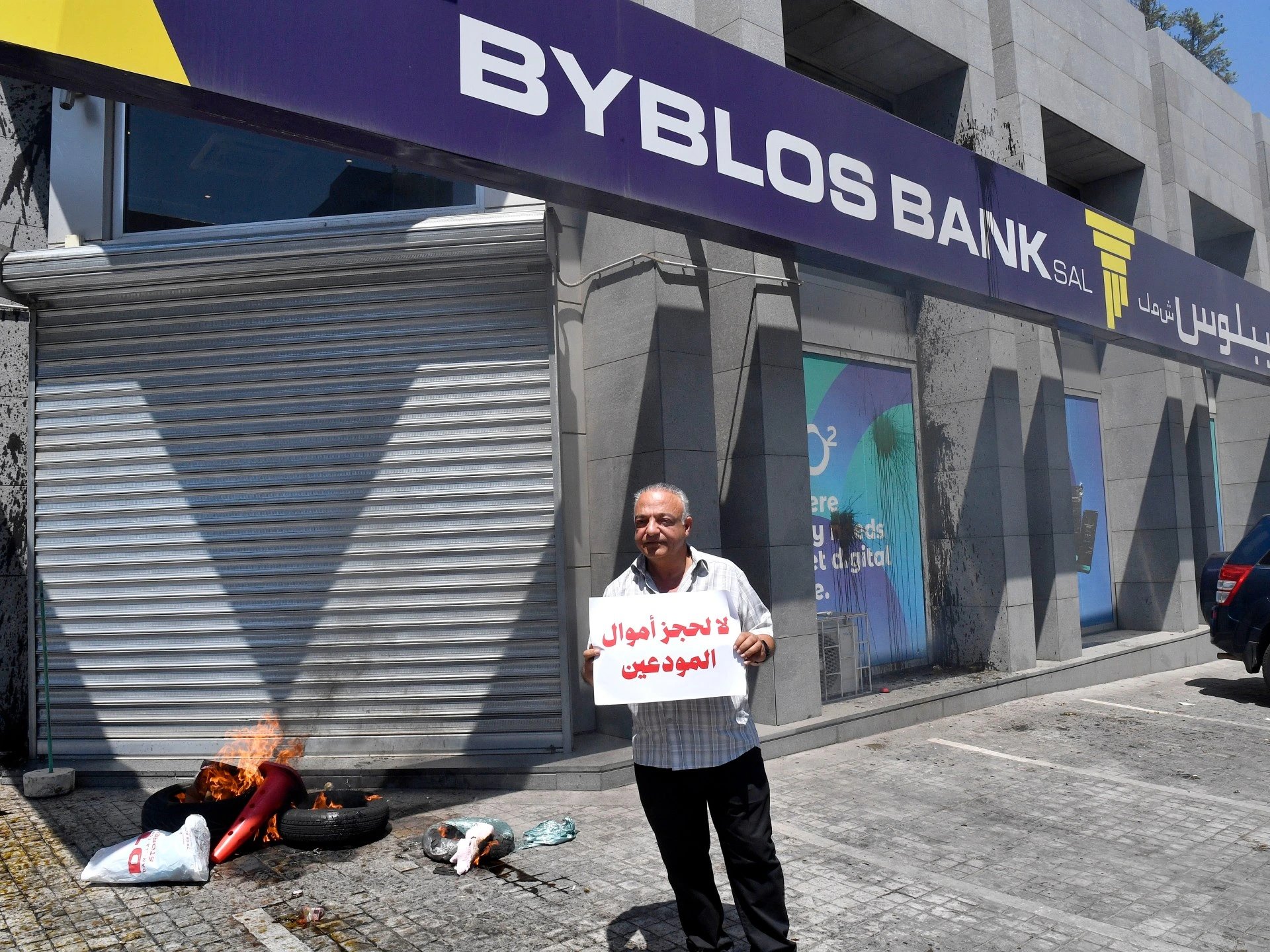
- At least seven people stormed bank branches in one week in 2022 to withdraw their own money.
- Riad Salameh left the central bank governorship in July 2023 after nearly 30 years, facing embezzlement, forgery, and illicit enrichment charges.
Origins of the Crisis
Lebanon's banking system adopted a dollar-peg model in 1993 when Riad Salameh became central bank governor. Banks attracted deposits with high interest rates and channeled most of these funds to the state and the central bank. As new dollar inflows slowed, the system became unable to meet its obligations. The 2016 'financial engineering' operations raised central bank reserves to about $41 billion but only postponed structural problems.
Collapse and Depositor Losses
The crisis became visible in 2019 when dollar inflows declined and mass protests began in October. Banks were temporarily closed and then reopened with restrictions on withdrawals and transfers. Without a comprehensive capital control law, deposits remained on the books while citizens lost access to their money. The Lebanese lira's depreciation rapidly eroded the real value of deposits. On March 7, 2020, the government stopped a $1.2 billion Eurobond payment, declaring its first sovereign debt default.
Aftermath and Accountability
By 2022, depositors were forcing their way into bank branches; at least seven people stormed branches in one week to withdraw their own money. Sally Hafiz's September 2022 bank raid to demand her sister's medical funds became a striking example of the crisis. The World Bank described Lebanon's situation as one of the world's worst crises since 1850. Riad Salameh left the central bank governorship in July 2023 after nearly 30 years, facing embezzlement, forgery, and illicit enrichment charges. The crisis cannot be attributed solely to Salameh; it stemmed from a long-running financial model involving governments, the central bank, commercial banks, and political actors.
1 source
Lebanon's banking collapse traces to 1990s dollar-peg model, not 2019 protests