
US Senate to hold Sept. 15 cloture vote on Digital Asset Market Clarity Act
This digest was compiled by AI from multiple sources — links to the originals are below.
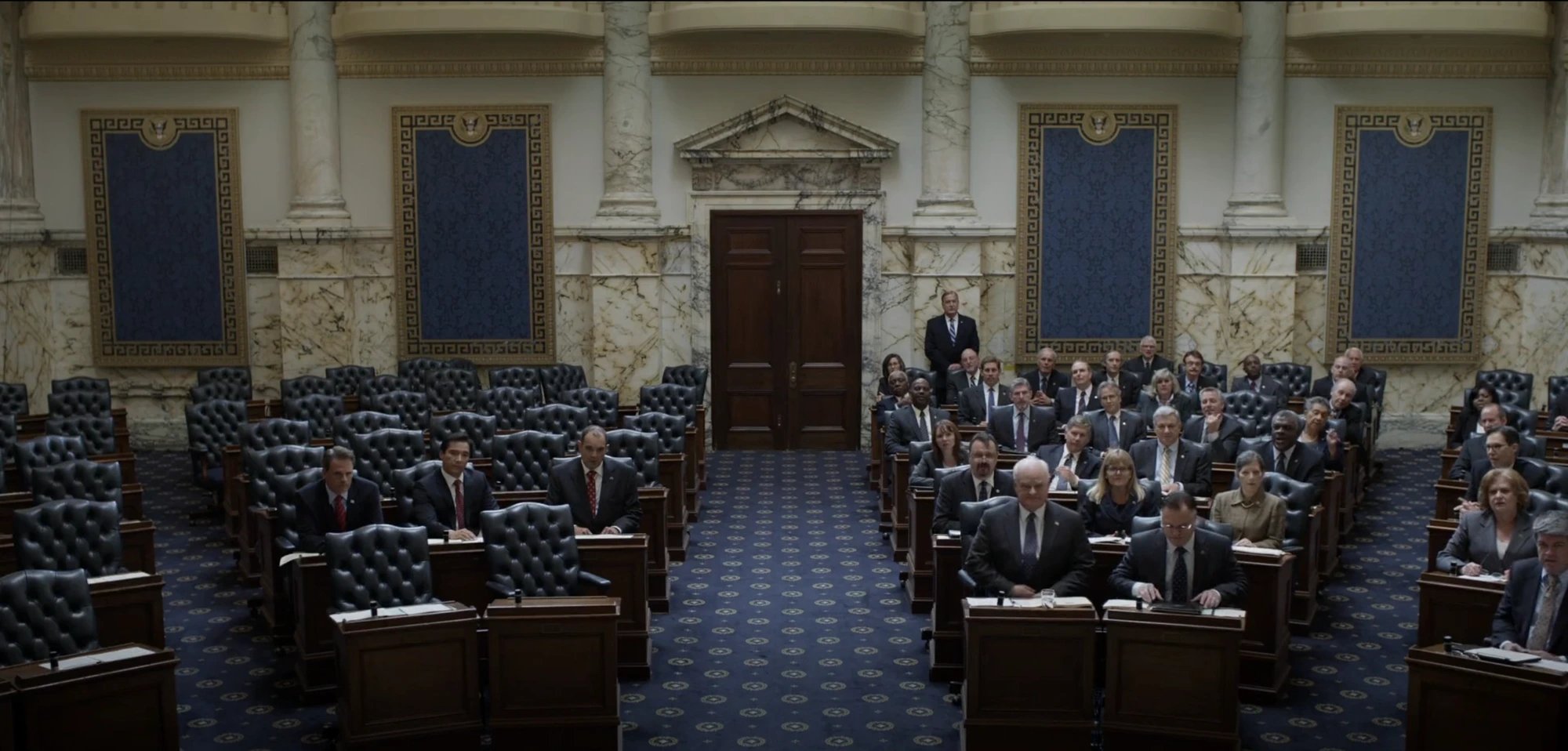
The U.S. Senate is scheduled to hold a cloture vote on the Digital Asset Market Clarity Act on Sept. 15 at 2:15 p.m. The procedural vote requires 60 votes to advance the bill, which currently has 53 Republican supporters. CFTC Chair Michael Selig said the agency will take limited crypto-market steps under existing authority if the bill stalls.
Key Facts
- The Senate cloture vote on H.R. 3633 is scheduled for Sept. 15 at 2:15 p.m.
- Cloture requires 60 votes in the fully seated Senate, and Republicans hold 53 seats.
- The Senate Banking Committee advanced the bill in a bipartisan 15-9 vote in May.
- Seven Democratic senators said in July that the current text fell short on ethics, consumer protection, and market integrity.
- CFTC Chair Michael Selig said on Aug. 20 that the agency would begin taking crypto-market steps under existing authority if the bill stalls.
Senate Vote Dynamics
The Senate has 53 Republicans, 45 Democrats, and two independents. If every Republican supports cloture and all seats are filled, backers would still need at least seven votes from Democrats or independents. The bill advanced from the Senate Banking Committee in a bipartisan 15-9 vote in May, but that tally does not establish its floor support. Seven Democratic senators—Angela Alsobrooks, Cory Booker, Catherine Cortez Masto, Ruben Gallego, John Hickenlooper, Mark Warner, and Raphael Warnock—said in July that the current text fell short on ethics, consumer protection, illicit finance, conflicts of interest, and market integrity. Republican Sen. Jim Risch supports advancing the bill and described Sept. 15 as the start of the Senate process.
CFTC Regulatory Fallback
CFTC Chair Michael Selig said Aug. 20 that the agency would begin taking crypto-market steps under existing authority if CLARITY continued to stall because of what he called Democratic obstruction. Selig's January agenda included joint work with the Securities and Exchange Commission on how crypto assets fit each regulator's jurisdiction. The agenda also covered rules for tokenized collateral and leveraged retail transactions, pathways for perpetual derivatives, and possible exemptions or safe harbors. The CFTC can police fraud and manipulation in spot digital commodity markets and regulate derivatives within its jurisdiction, including certain leveraged, margined, or financed retail commodity transactions. Those actions could shape parts of the market without a new law, but they would not reproduce the regime Congress is considering.
1 source
Time · lag behind first