
Turkic states adopt 8 principles to counter AI and deepfake threats in elections
This digest was compiled by AI from multiple sources — links to the originals are below.
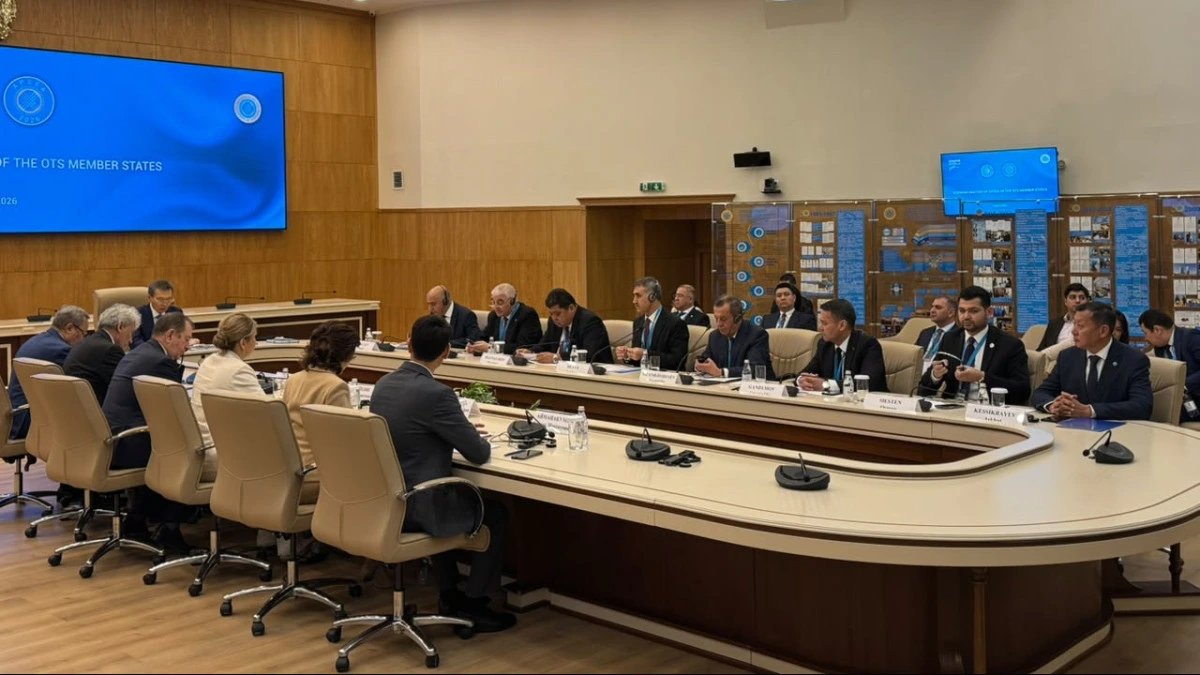
Central election bodies of the Organization of Turkic States agreed on eight principles to counter artificial intelligence and deepfake risks in electoral processes at a working meeting in Astana on August 22, 2026. The principles cover legality, reliability of electoral information, transparency of AI use, protection of personal rights, clear division of powers, and cooperation. The meeting also presented a compendium of electoral systems of OTS member states.
Key Facts
- The working meeting of the Consultative Platform of Central Election Bodies of OTS member states took place in Astana on August 22, 2026.
- Eight principles were developed to reduce risks of artificial intelligence and deepfakes in the electoral sphere.
- The principles include legality, reliability of electoral information, transparency of AI use, protection of personal rights, clear division of powers, and cooperation.
- A compendium titled 'Electoral Systems of OTS Member States' was presented to participants.
- The meeting was attended by heads of central election bodies of OTS countries, representatives of the Organization of Turkic States, TURKPA, and the Turkic Academy.
The Eight Principles
The first principle, legality, requires that measures to prevent and reduce risks associated with the use of AI technologies be carried out within the framework of each state's national legislation. The second principle, reliability of electoral information, obliges central election bodies to explain in advance through which channels official information is disseminated, enabling voters to distinguish official data from false content. The third principle, transparency of AI use, stipulates that if national legislation requires labeling of synthetic content or disclosure of AI use in election campaigns, election process participants must comply. The fourth principle, protection of personal rights, mandates that a person's image, voice, right to privacy, and personal data be protected in accordance with legal requirements when AI is used. The fifth principle, clear division of powers, requires that legal assessment of deepfake or AI cases, identification of violations, and enforcement measures be carried out within the competence of the relevant authorized bodies.
Working Group and Cooperation
In 2026, the first meeting of a special working group on the impact of deepfake technologies on the electoral sphere was held, with representatives of member countries of the Consultative Platform participating. The working group discussed national experience in countering disinformation and legal and practical issues of using artificial intelligence in the electoral process. Lazzat Suyindik, a member of Kazakhstan's Central Election Commission and head of the working group, stated that the use of deepfake technologies in the electoral process has become a common problem facing not one but several states. The sixth principle, cooperation, emphasizes the importance of exchanging experience and information in countering new information threats.
Meeting Participants and Background
The meeting was attended by heads of central election bodies of OTS countries, as well as representatives of the Organization of Turkic States, TURKPA, and the Turkic Academy. Participants were presented with a compendium titled 'Electoral Systems of OTS Member States'. The initiative to create the Consultative Platform of Central Election Bodies of OTS member states was put forward by Kazakhstan's President Kassym-Jomart Tokayev at the organization's 10th anniversary summit in Astana on November 3, 2023.
3 sources
Time · lag behind first