New Guinea flatworm introduced to Samoa in 1990s devastates native snails
This digest was compiled by AI from multiple sources — links to the originals are below.
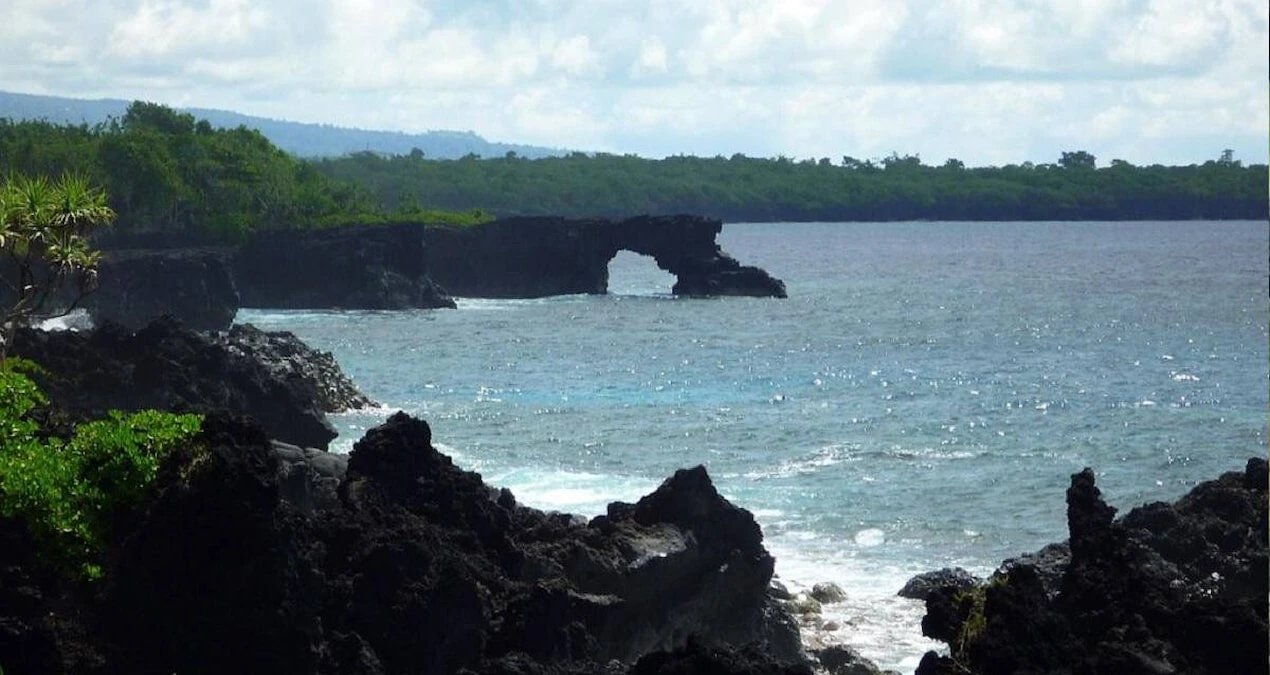
A predatory New Guinea flatworm introduced to Samoa in the 1990s to control giant African snails has instead decimated native land snail populations. The worm, which climbs trees and reproduces rapidly, has driven endemic Partula and Samoana species toward extinction. Scientists have launched captive breeding programs and imposed strict inter-island biosecurity measures to protect remaining populations.
Key Facts
- The New Guinea flatworm was introduced to Samoa in the 1990s to control giant African snails.
- The flatworm preys on endemic tree snails of the genera Partula and Samoana, which have no natural defense against it.
- The invasion, combined with habitat loss and climate change, has made Pacific land snails the fastest declining animal group.
- Scientists have started captive breeding programs for the last remaining populations.
- Strict biosecurity inspections and quarantine measures are being implemented for soil, plant, and agricultural product transport between islands.
Ecological Impact
The nocturnal, fast-reproducing predator targets not only ground-dwelling organisms but also climbs trees to prey on endemic tree snails of the genera Partula and Samoana. These sensitive species, which live only in a single valley or on a single island, have no natural defense mechanism against the introduced worm. The disappearance of native snails, which decompose organic matter and drive nutrient cycling in rainforests, has disrupted ecosystem balance. The flatworm is difficult to detect due to its small size, and once established in the soil, it is impossible to completely eradicate from the region.
Conservation Response
As the disaster escalated, scientists launched captive breeding programs to save the last remaining populations. Strict biosecurity inspections and quarantine measures are being enforced on soil, plant, and agricultural product transport between islands to protect clean areas not yet reached by the predatory worm.
2 sources
New Guinea flatworm introduced to Samoa in 1990s devastates native snails