
Kazakhstan's Emergency Ministry uses AI drones in over 5,000 operations, rescuing 63 people
This digest was compiled by AI from multiple sources — links to the originals are below.
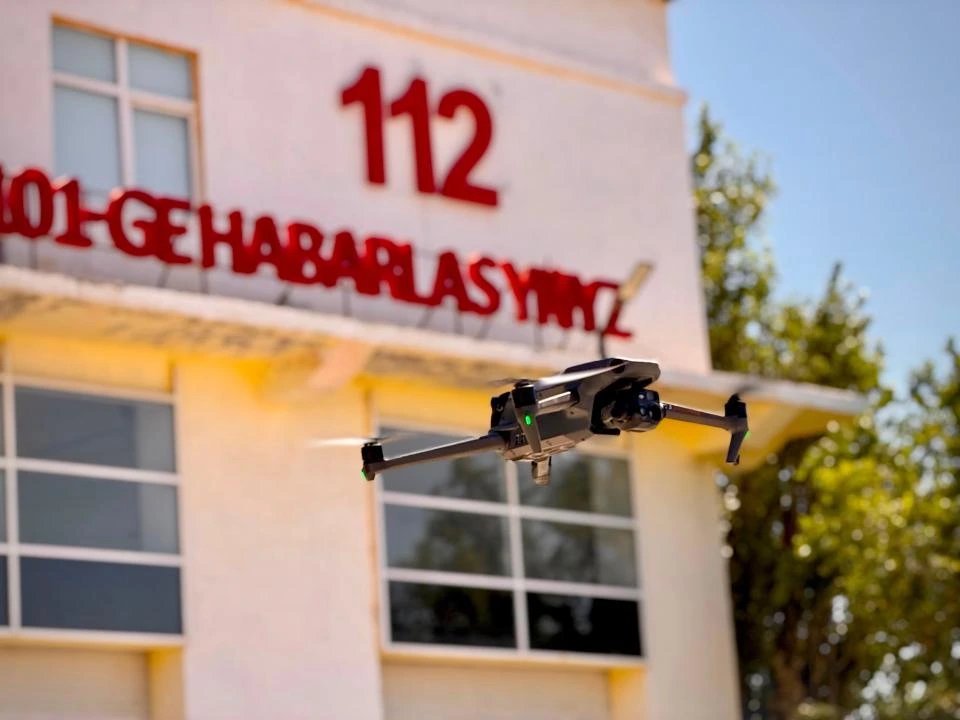
Kazakhstan's Ministry of Emergency Situations has conducted more than 5,000 drone operations since 2025, rescuing 63 people. The ministry now operates 241 unmanned aerial vehicles, 185 of which are equipped with artificial intelligence functions. The drones are used for monitoring, search and rescue, and water safety patrols.
Key Facts
- Kazakhstan's Ministry of Emergency Situations has conducted more than 5,000 drone operations since 2025, rescuing 63 people.
- The ministry operates 241 unmanned aerial vehicles, 185 of which have artificial intelligence functions.
- 70 autonomous drones are deployed in populated areas, the Shymbulak ski resort, and Lake Balkhash, transmitting video 24/7 to operational control centers.
- 81 drones are used for daily patrols of Kazakhstan's water bodies, 33 with thermal imaging and night vision.
- Since the start of the swimming season, drones have detected 150 people in the water during evening and night patrols.
Drone Fleet and AI Integration
The Ministry of Emergency Situations has 241 unmanned aerial vehicles in service, 185 of which are equipped with artificial intelligence functions. Kazakhstanskaya Pravda reports a different figure: 191 drones, including 1 airplane-type, 4 hybrid, and 186 multirotor, with 132 AI-equipped. The ministry operates 70 autonomous drones that do not require direct operator control. These autonomous drones are placed in populated areas, the Shymbulak ski resort, and Lake Balkhash, sending video to operational control centers around the clock. The drones enable aerial visual monitoring, thermal detection of people, night operations, video transmission, loudspeaker alerts, and terrain mapping.
Water Safety Patrols
The ministry uses 81 drones for daily raids and patrols on the country's water bodies. Of these, 33 drones have extended functionality, including thermal imaging and night monitoring. High-resolution cameras, thermal imagers, and night vision equipment allow rescuers to detect people in the water even in the evening and at night. Since the start of the current swimming season, drones have identified 150 people in the water during evening and night patrols. When the system detects a person in a prohibited or potentially dangerous area, rescuers and police are dispatched to the location.
3 sources
Time · lag behind first