
Former Serbian footballer Uros Milosevic arrested in Portugal with 1.5 tonnes of cocaine
This digest was compiled by AI from multiple sources — links to the originals are below.
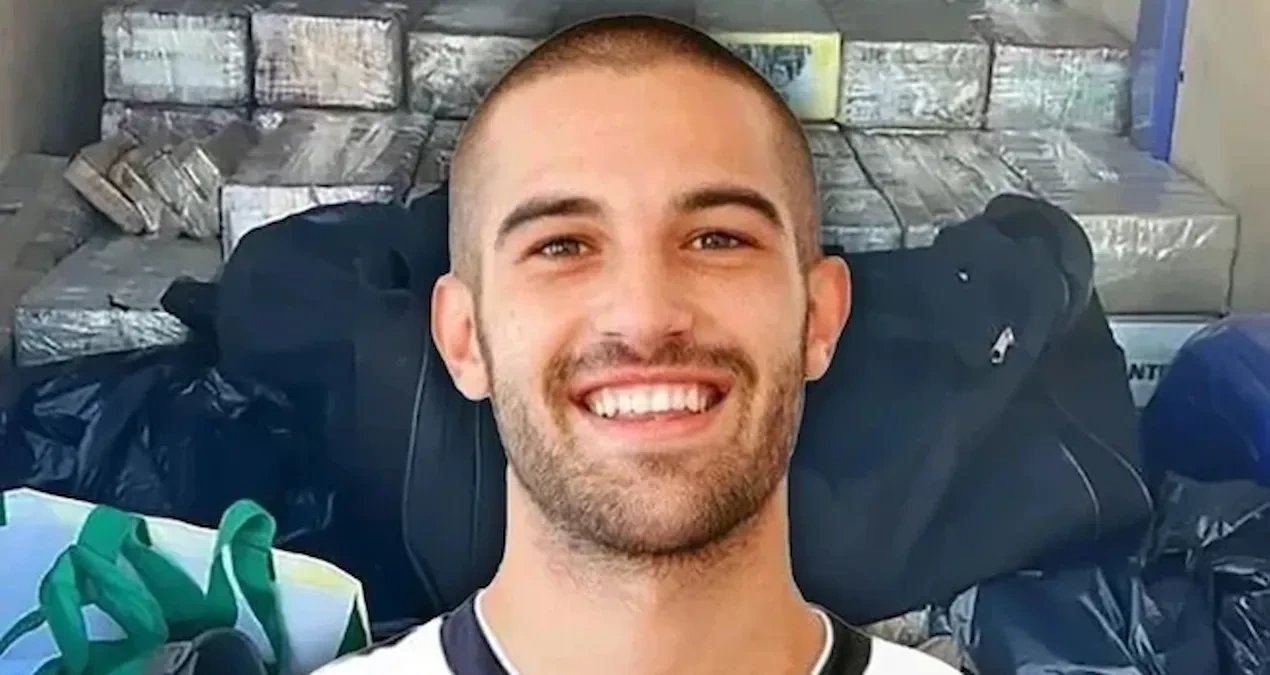
Former Serbian footballer Uros Milosevic, 37, was arrested in Portugal with approximately 1.5 tonnes of cocaine. The seizure, part of a joint Portuguese-Spanish operation, has an estimated street value of 70 million euros. The operation also led to arrests in Spain and the seizure of a total of 3.7 tonnes of drugs.
Key Facts
- Uros Milosevic, 37, was arrested in Portugal with approximately 1.5 tonnes of cocaine.
- The seized cocaine has an estimated street value of 70 million euros.
- The operation was a continuation of a joint investigation by Portugal's Judicial Police and Spain's National Police.
- In total, 3.7 tonnes of drugs were seized across Portugal and Spain.
- Milosevic previously played for Serbian clubs Cukaricki, IMT Rakovica, Teleoptik, and Sindjelic Belgrade.
The Arrest
Uros Milosevic, 37, was detained while driving a small truck that also contained firearms. He was taken into custody by Portugal's Judicial Police in Lisbon. The arrest was part of a broader operation targeting drug trafficking between Portugal and Spain.
Drug Seizure and Cartel Links
The 1.5 tonnes of cocaine seized from Milosevic's vehicle is valued at approximately 70 million euros. Authorities allege the shipment belonged to a structure linked to the 'Balkan Cartel' operating in Portugal and Spain. Milosevic is suspected of being part of a cell active on the smuggling route between the two countries.
Joint Operation and Broader Seizures
The operation was a continuation of a joint effort by Portugal's Judicial Police and Spain's National Police conducted last week. In Spain, several Serbian suspects were arrested as part of the investigation. The total amount of drugs seized across both countries reached 3.7 tonnes.
1 source
Time · lag behind first