
Bolivia's President Paz fires economy minister after Congress censure
This digest was compiled by AI from multiple sources — links to the originals are below.
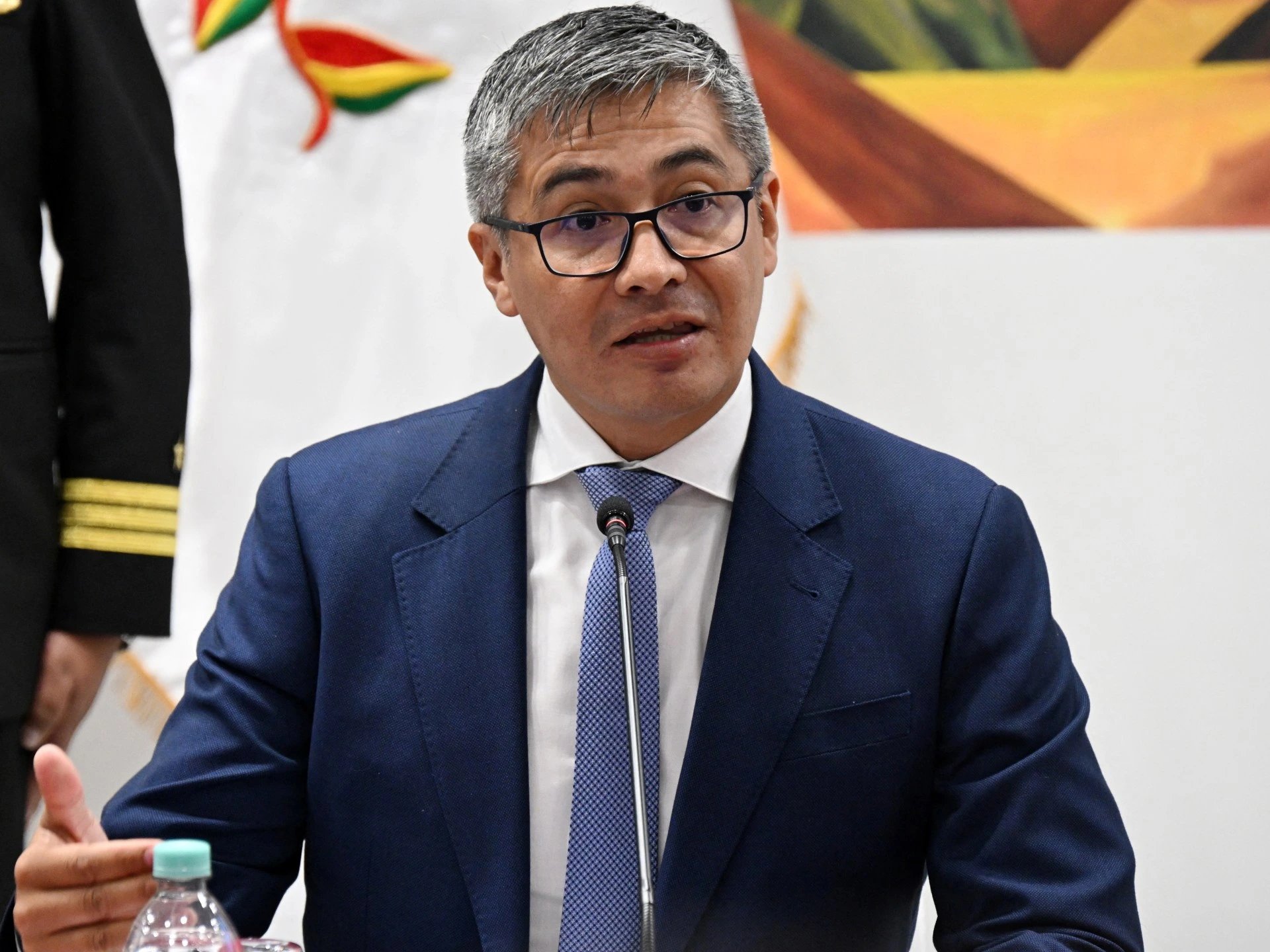
Bolivian President Rodrigo Paz removed Economy Minister Jose Gabriel Espinoza on Friday, days after Congress censured the minister. Oscar Mario Justiniano Pinto was named interim economy minister until a permanent replacement is appointed. The move reverses the government's earlier stance to contest the censure.
Key Facts
- President Rodrigo Paz removed Economy Minister Jose Gabriel Espinoza by decree published Friday in the official gazette.
- Oscar Mario Justiniano Pinto was named interim economy minister until a permanent candidate is appointed.
- Bolivia's Congress voted to censure Espinoza on Tuesday after he failed to appear before the legislature to answer questions about the economy.
- More than 37 percent of Bolivia's population fell below the national poverty line as of 2024.
Cabinet Shake-up
The dismissal was announced in a decree published Friday in the government's official gazette. The decree names Oscar Mario Justiniano Pinto as interim economy minister until a permanent candidate is appointed. No timeline was given for the appointment of a permanent replacement.
Congress Censure
On Tuesday, Bolivia's Congress voted to censure Espinoza after he failed to appear before the legislature to answer questions about the economy. Under Bolivia's constitution, a censure sets the stage for dismissal. The right-wing Paz administration initially said it would fight the censure as a tribunal reviewed the dispute, but Friday's decree reversed that course.
Economic Unrest
Bolivia has faced years of economic and political turmoil, with a decline in natural gas production and foreign currency reserves. As of 2024, more than 37 percent of the population fell below the national poverty line. In December, Paz's government eliminated longstanding fuel subsidies, prompting protests. A land reform policy signed in April sparked further unrest, and Paz reversed the policy the following month. Throughout May and June, Bolivia was gripped by roadblocks, marches, and demonstrations, with some protesters calling for Paz's resignation.
1 source
Time · lag behind first