Iran's Pezeshkian urges immediate end to US war while Tehran holds strong position
This digest was compiled by AI from multiple sources — links to the originals are below.
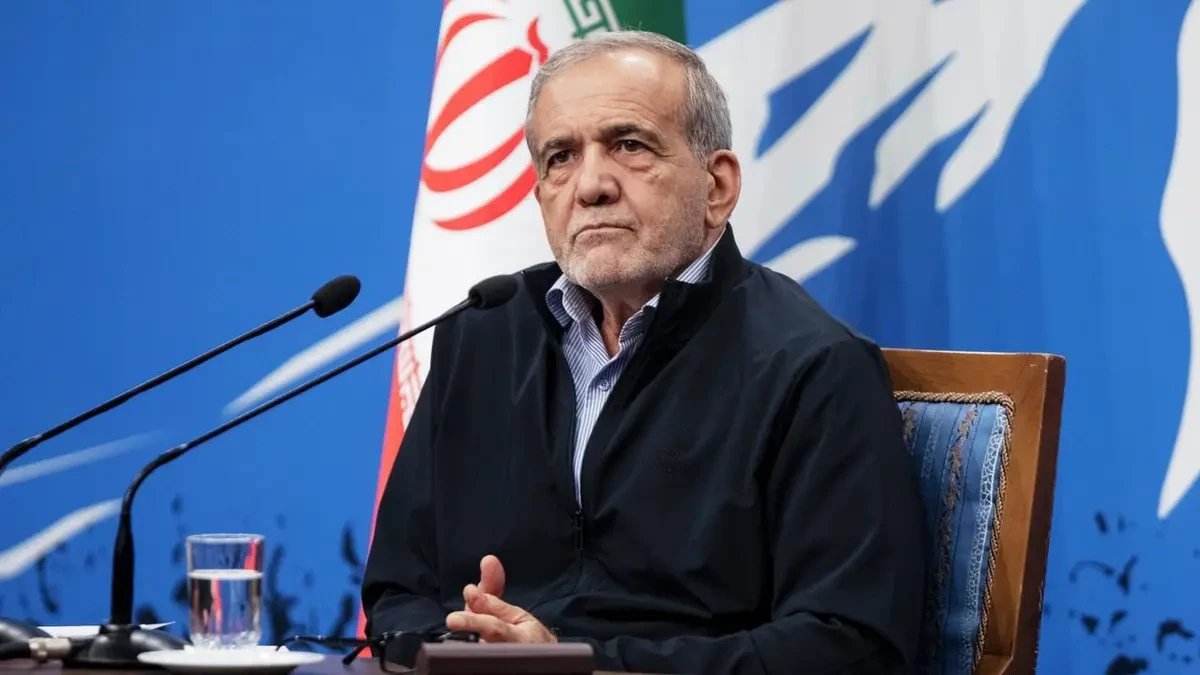
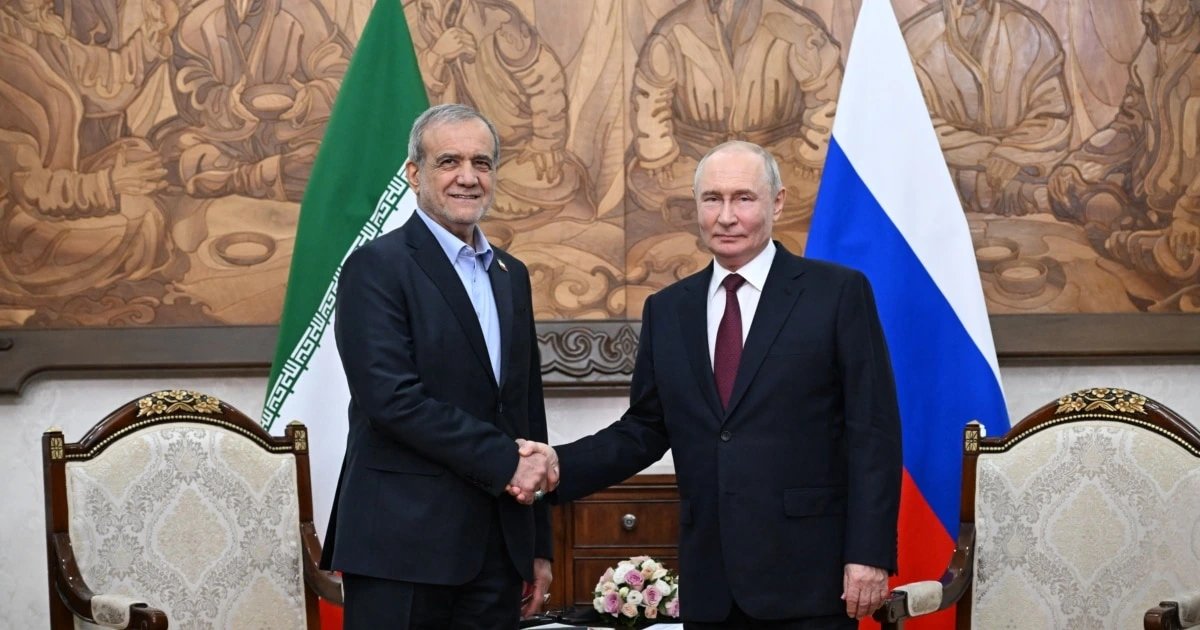
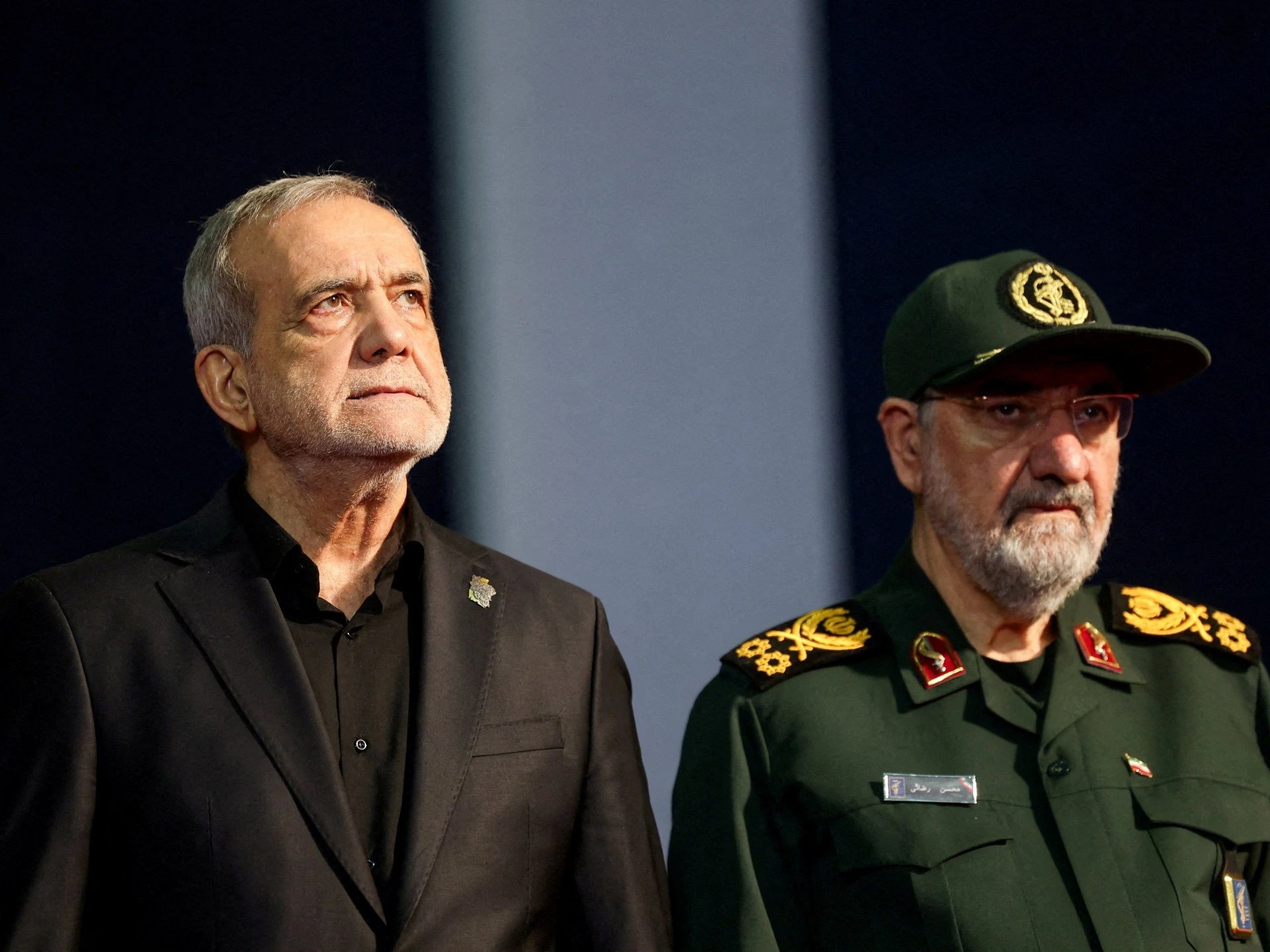
Iranian President Masoud Pezeshkian called for an immediate end to the war with the United States, saying Tehran is in a position of strength. He said the conflict should end today, while Iran is respected and the world recognizes its victory. The remarks came after US President Donald Trump announced on August 20 the start of what he called the most crushing economic operation against Iran.
Key Facts
- Iranian President Masoud Pezeshkian said the war with the United States should end today, while Iran is in a position of strength and the world recognizes its victory.
- Pezeshkian said Iran does not deny its shortcomings, but Tehran is striving to move the country forward in unity.
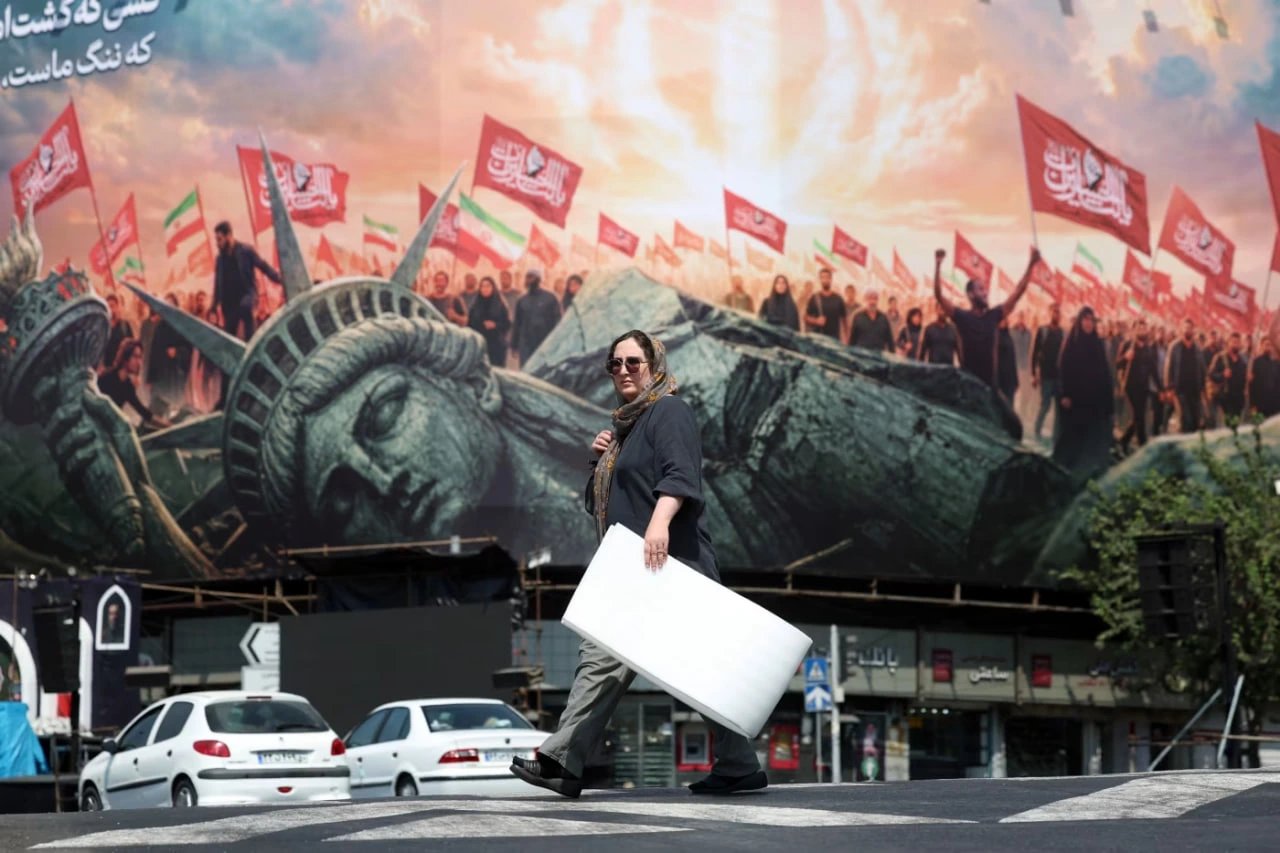
- On August 20, US President Donald Trump announced the start of what he called the most crushing economic operation against Iran and threatened the country with isolation of unprecedented scale.
- Iranian Foreign Minister Abbas Araghchi called the so-called economic D-Day an attempt to distract attention from America's own crisis of unprecedented debt and rapidly growing interest expenses.
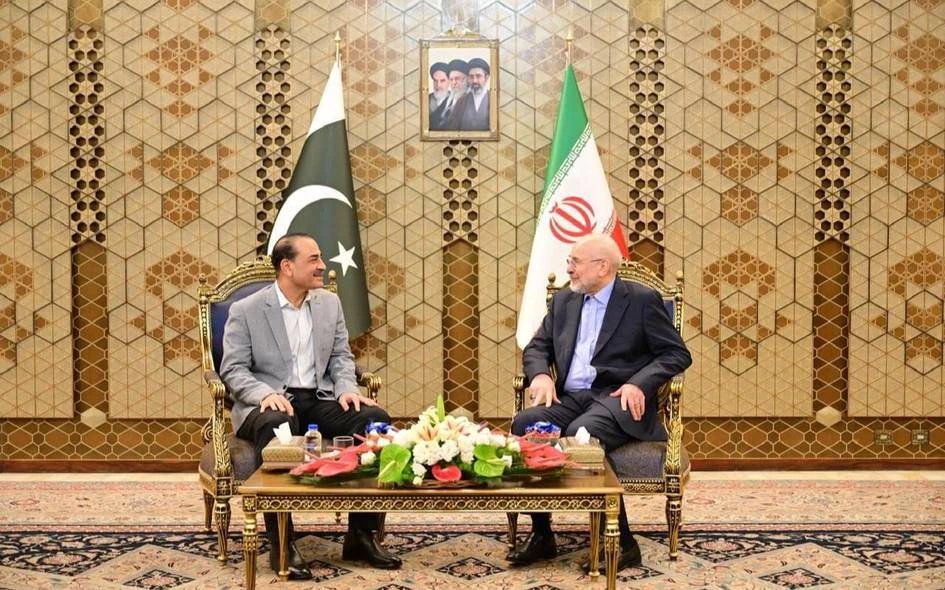
- Iranian Parliament Speaker Mohammad Bagher Ghalibaf said the US and Israel have shifted to cognitive and economic warfare against Iran after military setbacks.
Pezeshkian's Call
Iranian President Masoud Pezeshkian urged an immediate end to the war with the United States, saying Tehran is in a strong geopolitical position. He said the war must end at some point, and the best time is today, when Iran is strong, respected, and the whole world recognizes its victory. Pezeshkian added that Iran does not deny its shortcomings, but Tehran is striving to move the country forward in unity. In early August, Pezeshkian called on the US to force compliance with the mutual understanding memorandum signed by the parties on June 18. He said implementing the document would strengthen the security of the country, the region, and Iran's allies.
US Pressure and Iranian Response
On August 20, US President Donald Trump announced the start of what he called the most crushing economic operation against Iran and threatened the country with isolation of unprecedented scale. Iranian Foreign Minister Abbas Araghchi wrote that the so-called economic D-Day is an attempt to distract attention from America's own crisis of unprecedented debt and rapidly growing interest expenses. Iranian Parliament Speaker Mohammad Bagher Ghalibaf said the US and Israel have shifted to cognitive and economic warfare against Iran after military setbacks. Pezeshkian claimed that the international community recognizes Iran's victory and condemns US actions, saying American strikes hit schools, hospitals, and infrastructure.
Background of the Conflict
After Washington and Tehran signed the memorandum, the parties began 60 days of negotiations on the details of a future peace treaty. In early July, mutual attacks resumed, and Iran later confirmed it refused to comply with the memorandum. US President Donald Trump informed Congress that war with Iran had resumed. The Strait of Hormuz remains a separate source of tension as one of the key routes for global oil trade.
3 sources
Iran's Pezeshkian urges immediate end to US war while Tehran holds strong position