
White House report accuses Kazakhstan, Uzbekistan, Georgia, Azerbaijan of aiding China tariff evasion
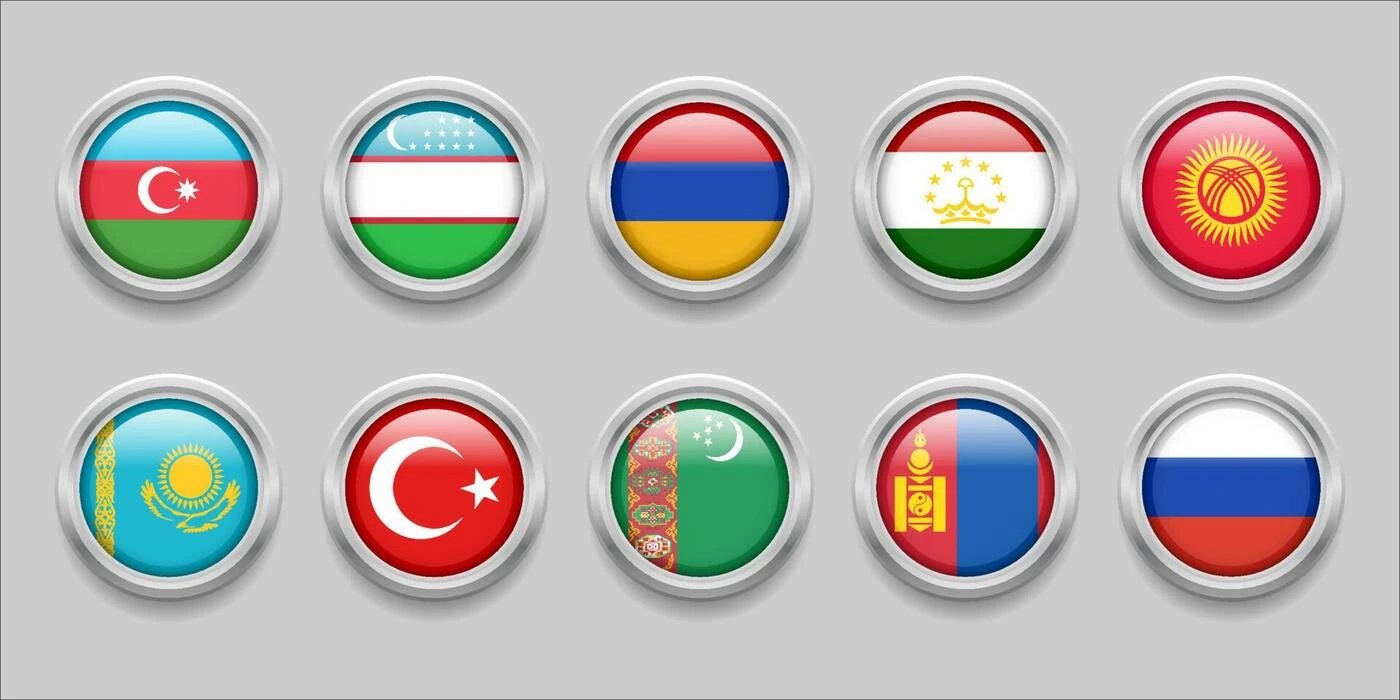
This digest was compiled by AI from multiple sources — links to the originals are below.
A Trump administration white paper accuses over 40 countries, including Kazakhstan, Uzbekistan, Georgia and Azerbaijan, of helping China evade US tariffs through transshipment schemes. The report, titled the Great Transshipment Scam, places the four states in Tier III as smaller economies with weak-link advantages. It estimates the evasion costs the US Treasury $40 billion to $303 billion annually.
Key Facts
- The White House report names Azerbaijan, Georgia, Kazakhstan and Uzbekistan as Tier III states in China's tariff evasion network.
- The report estimates Chinese-led tariff evasion costs the US Treasury $40 billion to $303 billion annually.
- Azerbaijan and Georgia provide rail and dry-port transit, consolidation, and overland-to-maritime connections, according to the report.
- The four states are participants in China's Belt and Road Initiative, which the report says reinforces commercial dependencies.
- The report does not provide specifics about Kazakhstan's and Uzbekistan's roles in the transshipment network.
The White House Report
The Trump administration white paper, titled the Great Transshipment Scam, accuses over 40 countries of aiding China in tariff evasion schemes. The report divides countries into three tiers, with Azerbaijan, Georgia, Kazakhstan and Uzbekistan designated as Tier III states. Tier III is defined as smaller economies with lower absolute transshipment volumes but specific weak-link advantages, including low-cost labor, free zones, port or border access, bonded warehousing, niche assembly capacity, or limited customs enforcement. The report states that Azerbaijan and Georgia provide rail and dry-port transit, consolidation, and overland-to-maritime connections. It does not provide specifics about Kazakhstan's and Uzbekistan's roles in what it describes as China's Shadow Transshipment Network.
Economic and Diplomatic Impact
Estimates on the amount that Chinese-led tariff evasion is costing the US treasury range from approximately $40 billion to $303 billion annually, depending on the methodology and definition used. The report contends that the harm extends far beyond the loss of tariff earnings, stating that tariff revenue is the most obvious loss from illegal transshipment. The naming of Baku, Tbilisi, Astana and Tashkent can potentially complicate diplomatic relations at a time when US ties with all but Georgia have dramatically improved since Trump returned to the presidency in early 2025. Any US effort to tighten tariff enforcement could cause chagrin in foreign capitals that hampers the pursuit of US initiatives in other economic and geopolitical spheres. A US-brokered peace deal between Armenia and Azerbaijan remains to be finalized, and a top US priority in Central Asia is expanding access to the region's critical minerals.
Middle Corridor and Belt and Road
The four states are all nodes in the emerging Middle Corridor trade network, which is promoted by the United States and European Union as a mechanism to boost trade between Central Asia and the West. The Middle Corridor is envisioned as the main avenue for critical minerals exports to the West. The white paper notes the four states are also participants in Beijing's signature global trade and infrastructure development initiative, the Belt and Road. It adds that the countries' involvement in tariff evasion can therefore reinforce commercial dependencies created through the Belt and Road Initiative.
1 source
Time · lag behind first