Russia receives first North Korean KN-30 ballistic missiles for strikes on Ukraine
This digest was compiled by AI from multiple sources — links to the originals are below.
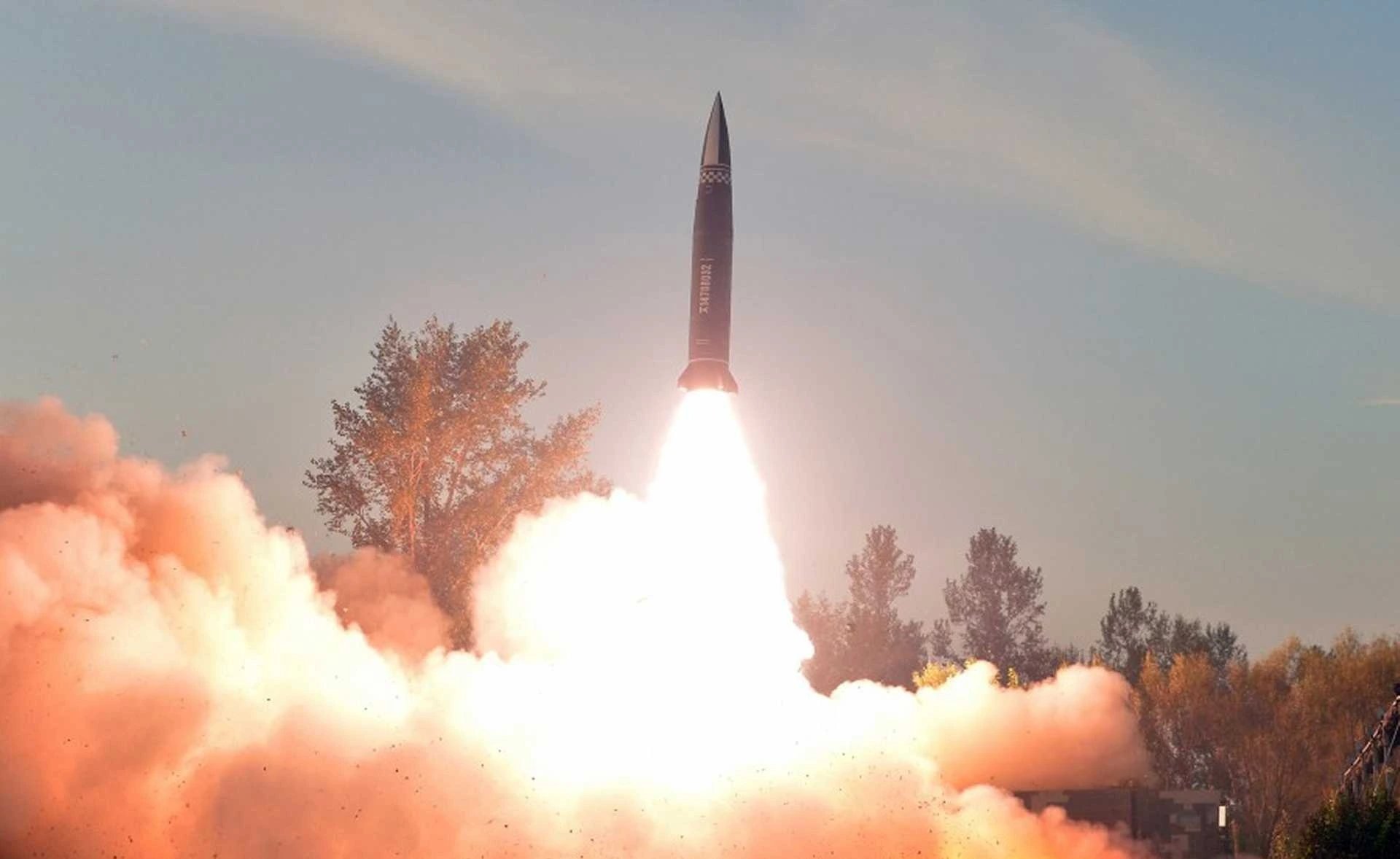
Ukraine's Main Directorate of Intelligence confirmed on August 20, 2026, that Russia received its first shipment of North Korean Hwasong-11C (KN-30) short-range ballistic missiles. Six transporter-erector-launchers deployed in Voronezh Oblast allow Russian forces to target infrastructure across seven Ukrainian regions with 2,500-kilogram warheads. The transfer establishes a dual-stream ballistic supply pipeline alongside domestic Iskander-M production.
Key Facts
- Ukraine's Main Directorate of Intelligence confirmed on August 20, 2026, that Russia received its first shipment of North Korean Hwasong-11C (KN-30) short-range ballistic missiles.
- Six transporter-erector-launchers were deployed in Voronezh Oblast, allowing strikes on infrastructure across seven Ukrainian regions with 2,500-kilogram warheads.
- North Korea has supplied Russia with approximately 50 ballistic missiles, including the KN-30 variant with a range of 600–900 km.
- Roughly 90 North Korean personnel are operating alongside Russia's 112th Guards Missile Brigade, with an eventual allocation of up to 120 missiles in Voronezh.
- The KN-30 is larger than the KN-23, measuring 10.1–10.2 m in length and 1.26 m in diameter, with a claimed warhead mass of 2,500 kg.
Missile Transfer
Ukraine's Main Directorate of Intelligence confirmed on August 20, 2026, that Russia received its first shipment of North Korean Hwasong-11C (KN-30) short-range ballistic missiles. The deployment of six transporter-erector-launchers in Voronezh Oblast allows Russian forces to target deep infrastructure across seven Ukrainian regions with heavy 2,500-kilogram warheads. This transfer establishes a dual-stream ballistic supply pipeline alongside domestic Iskander-M production to saturate Ukrainian air defenses.
Operational Deployment
North Korea has supplied Russia with approximately 50 ballistic missiles, including the enlarged 10.2-meter KN-30 variant capable of delivering 2,500-kilogram payloads up to 900 kilometers. Operated by roughly 90 North Korean personnel alongside Russia's 112th Guards Missile Brigade, the 120-round Voronezh inventory supplements domestic Iskander stocks to maintain sustained ballistic salvo capacity against large-area targets. The Hwasong-11 TELs are commonly associated with a two-missile load, so six vehicles could theoretically place 12 missiles in firing condition before the first reload.
Missile Capabilities
The KN-30 is larger than the KN-23, at 10.1 to 10.2 m in length and 1.26 m in diameter compared with approximately 8.77 m and 1.1 m for the KN-23. Its estimated range reaches 600–900 km and its claimed warhead mass reaches 2,500 kg. No confirmed KN-30 launch against Ukraine had been identified by August 20, but the arrival of this missile marks an expansion of the stock, launcher force, and missile types available for future Russian strikes.
1 source
Russia receives first North Korean KN-30 ballistic missiles for strikes on Ukraine