
Tupac Shakur Murder Trial Witness Tells Davis: 'I Don't Want to Send You to Prison'
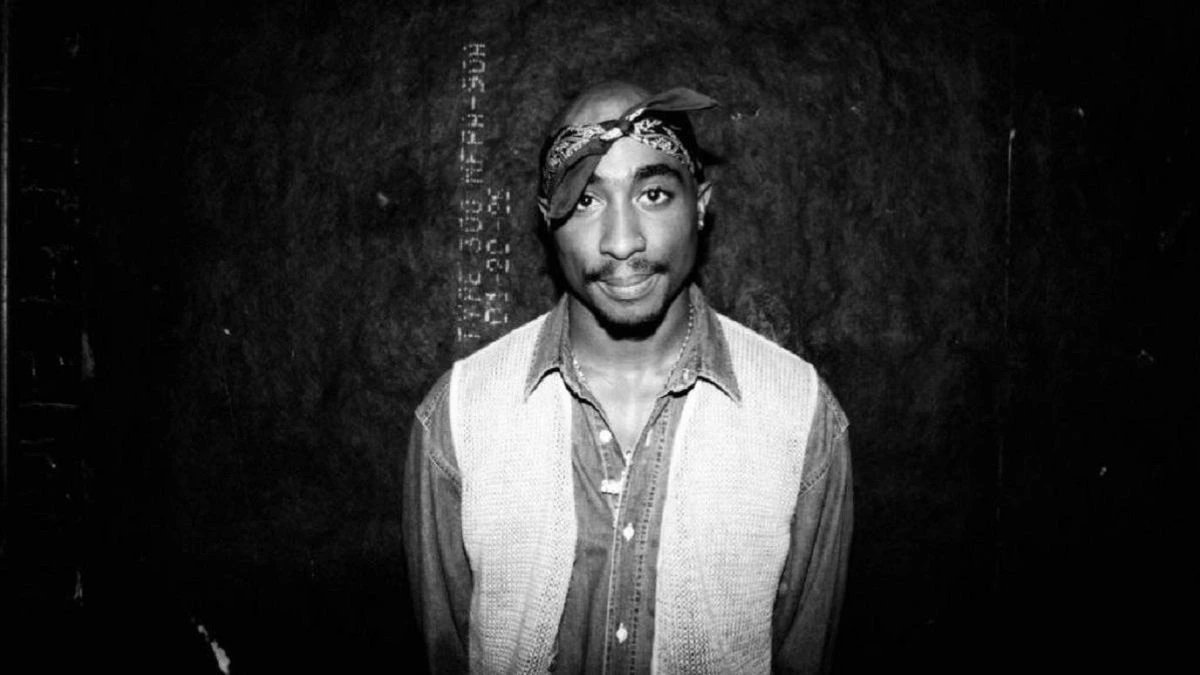
This digest was compiled by AI from multiple sources — links to the originals are below.
James 'Mob James' McDonald testified on Tuesday, August 18, in the Las Vegas trial of Duane 'Keffe D' Davis over the 1996 killing of Tupac Shakur. McDonald, a former Shakur associate, told Davis he did not want to send him to prison and said answering questions about the shooting would not benefit the defendant, who has pleaded not guilty.
Key Facts
- On Tuesday, August 18, James 'Mob James' McDonald testified on the second day of the trial of Duane 'Keffe D' Davis in Las Vegas.
- McDonald told Davis in court, 'I don't want to send you to prison,' while pointing at him.
- Tupac Shakur was 25 when he was shot in a drive-by in Las Vegas on September 7, 1996, after a Mike Tyson boxing match.
- Davis, a former leader of the South Side Compton Crips, has pleaded not guilty to organizing the killing.
- Prosecutors say Davis planned the attack after Shakur and his entourage beat Davis's nephew Orlando Anderson hours earlier.
The Witness Testimony
James 'Mob James' McDonald, a former Mob Piru Bloods member and Death Row Records employee, testified Tuesday in Las Vegas. He said he was not near Shakur at the time of the shooting. When asked repeatedly to identify the person responsible, McDonald pointed at Davis and said, 'You are asking me to do something that will not benefit him.' He then told Davis directly, 'I don't want to send you to prison.' Under questioning by Davis's attorney Michael Sanft, McDonald raised his voice and hands and said he did not want to answer many questions because it would not help the defendant.
The 1996 Killing
Tupac Shakur was 25 when he was shot in a drive-by on a Las Vegas street after a Mike Tyson boxing match on September 7, 1996. He died in hospital six days later. Prosecutors say Davis, a former leader of the South Side Compton Crips, planned the attack after Shakur and his associates beat Orlando Anderson, Davis's nephew, hours earlier. Davis believed the assault on his nephew could not go unanswered, according to the prosecution.
Street Code and Gang Rivalry
In the 1990s, when gangs controlled the hip-hop scene, a street code forbade cooperating with police. Distrust of authorities was widespread after the Rodney King police violence case and the Los Angeles riots that followed. A wounded Shakur refused to speak with police in the ambulance, telling them, 'We will handle this ourselves.' McDonald, a former member of the rival Mob Piru Bloods, said he did not like Davis but still did not want to send him to prison. At one point, McDonald looked at Davis and said, 'Talk to your lawyer, this dude is crazy.'
1 source
Time · lag behind first