Turkey, Saudi Arabia, Pakistan sign Mecca joint defense pact Aug. 7
This digest was compiled by AI from multiple sources — links to the originals are below.
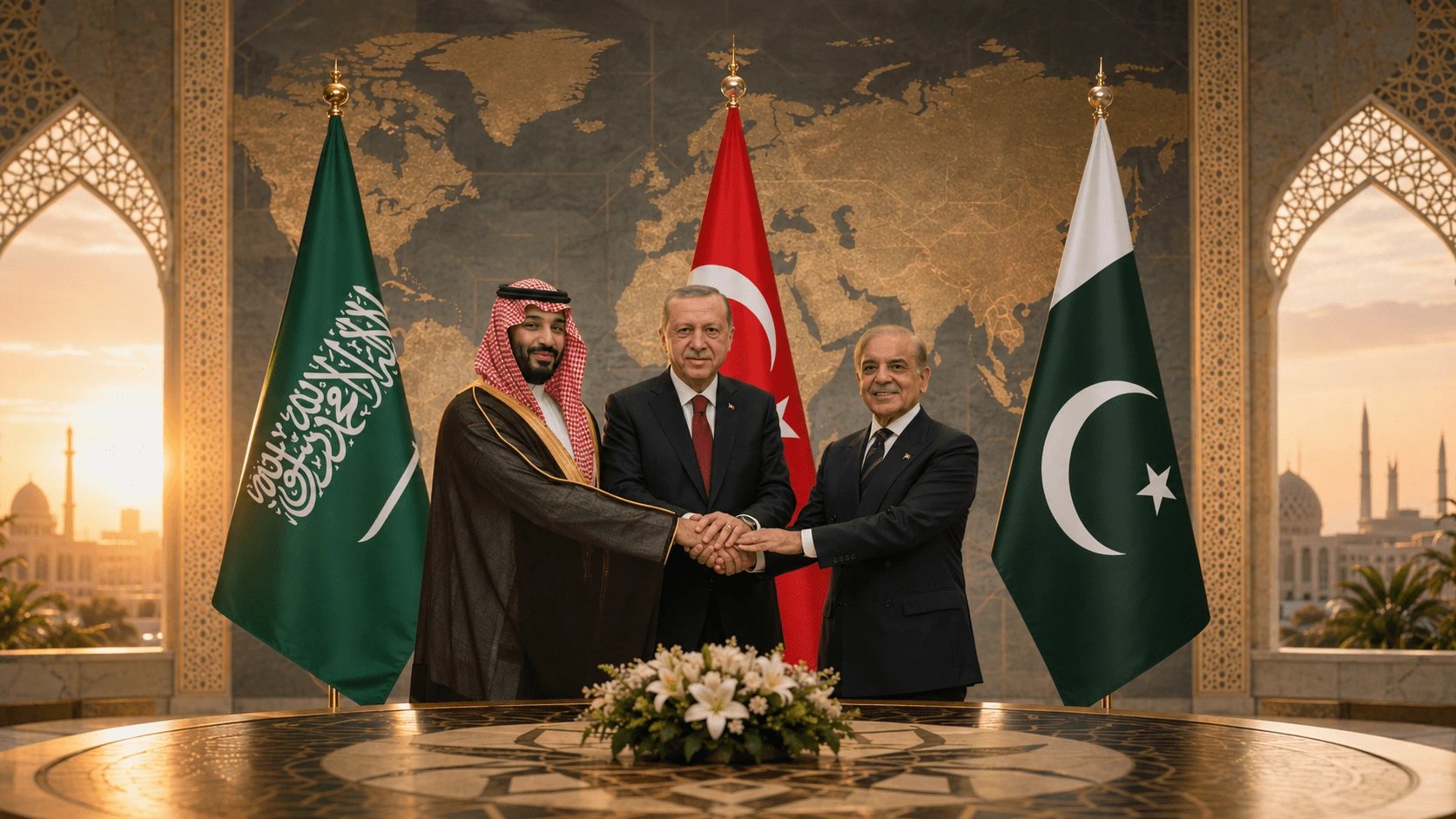
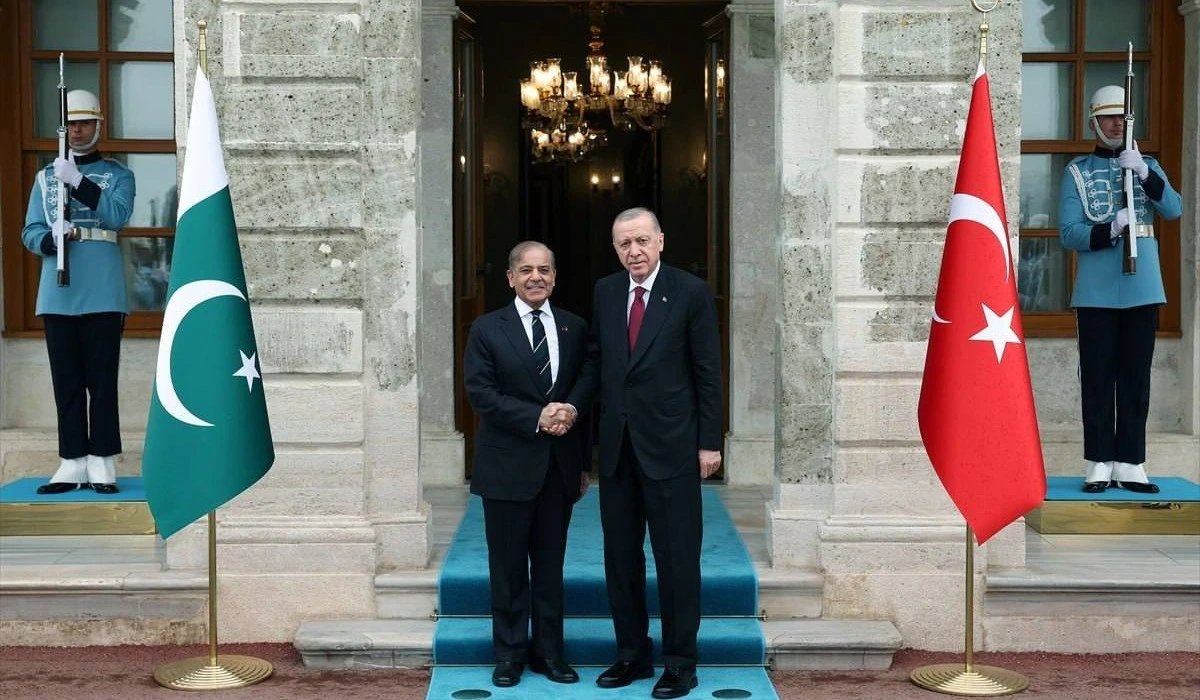
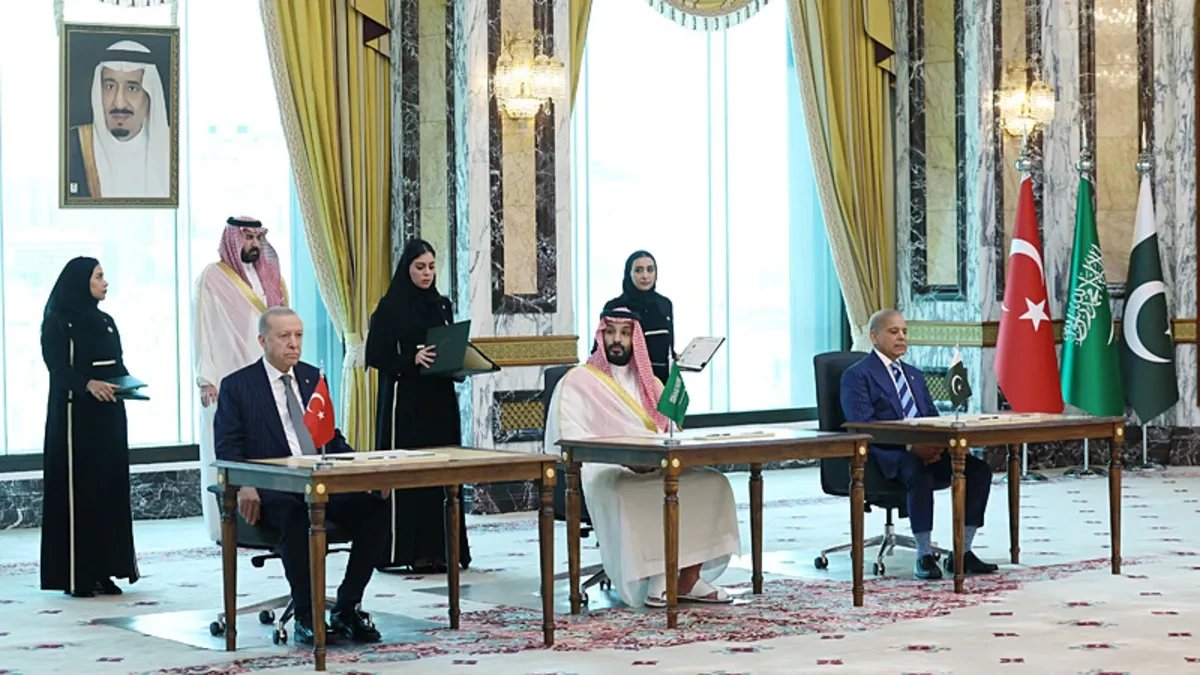
Turkey, Saudi Arabia and Pakistan signed the Mecca Joint Defense Agreement on Aug. 7, 2026, under which an armed attack on one signatory is considered an attack on all three. UzA aired an expert analysis of the pact's strategic drivers.
Key Facts
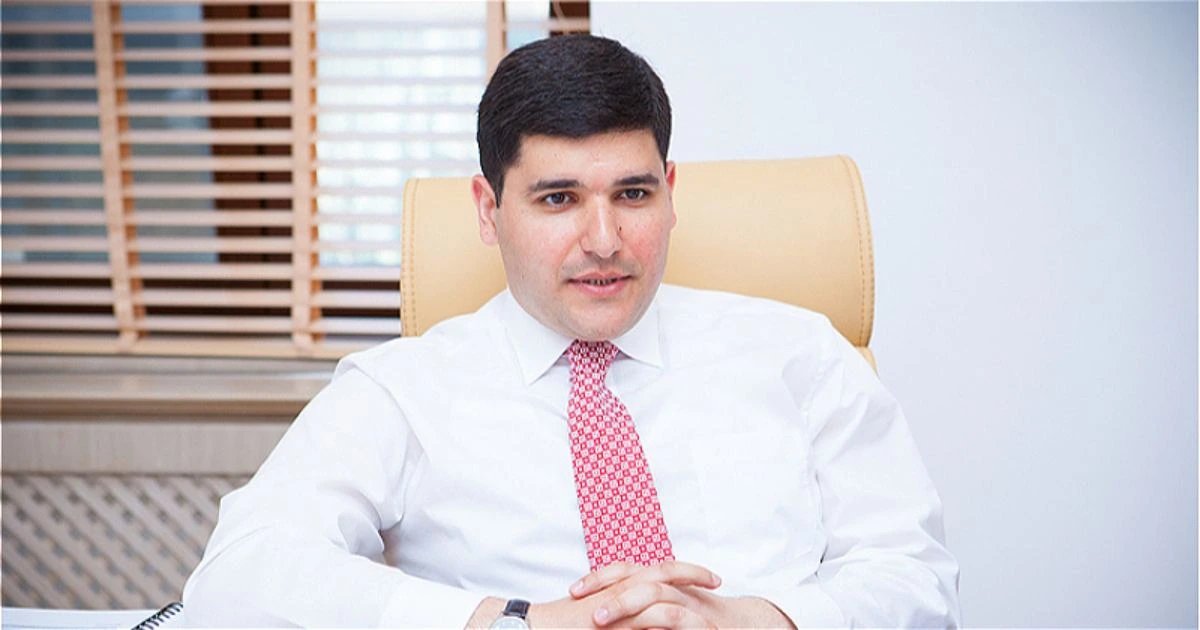
- UzA aired the discussion as part of its 'International Review' program, featuring political scientist Bektosh Berdiev and journalist Dilshod Buriev.
- The analysis said Iran is not named as an enemy in the official document, though the pact carries a political function of containing Iran.
- Saudi Arabia's push to diversify its defense capabilities was driven by rising Middle East security threats, including U.S.-Israel conflict with Iran and Iranian missile capabilities.
- Pakistan's contribution to the agreement includes nuclear deterrence, a large army and longstanding military ties with Saudi Arabia.
- The pact is assessed as a mutual defense guarantee and an attempt to create a more independent regional security architecture, not a full military bloc.
The Mecca Pact
Turkey, Saudi Arabia and Pakistan signed the agreement in Mecca on Aug. 7, 2026. The document states that an armed attack against one signatory is considered an attack against all three. The three countries had previously cooperated in defense, and the pact formalizes a mutual defense guarantee. UzA discussed the pact on its 'International Review' program with Berdiev and Buriev.
Security Drivers
Saudi Arabia's security needs were a central factor in the three-country initiative. The main driver was the shift in the Middle East security environment, including the U.S. and Israeli conflict with Iran and Iranian missile threats to Persian Gulf security. The analysis said Riyadh concluded that full reliance on U.S. security guarantees is no longer sufficient. Turkey provides military-technological capacity, while Pakistan provides a large, experienced army and nuclear status.
Pakistan's Role
Pakistan faces its own security problems, including the Afghan border and internal terrorism. Its main value to the pact is nuclear deterrence, a large army, military experience and long-standing military ties with Saudi Arabia. The UzA discussion did not specify the exact forces or forms of assistance each state would provide after an attack. The pact is assessed as a mutual defense guarantee and an attempt to create a more independent regional security architecture, rather than a full military bloc.
1 source
Turkey, Saudi Arabia, Pakistan sign Mecca joint defense pact Aug. 7