
China's Digital Silk Road exports hardware, not rules, in Southeast Asia
This digest was compiled by AI from multiple sources — links to the originals are below.
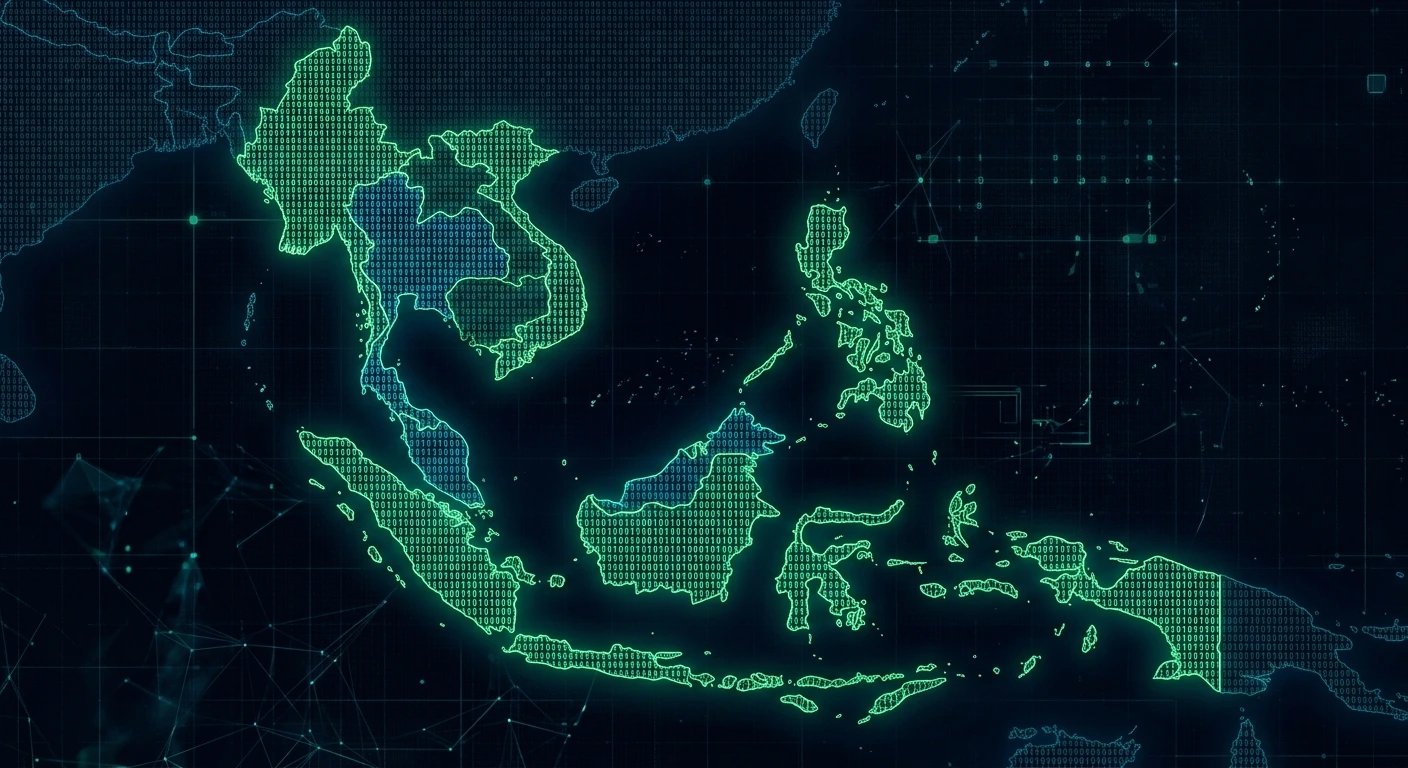
Chinese-built fiber-optic networks, smart-city platforms and 5G systems are widespread in Indonesia, the Philippines and Malaysia, but regulators in those countries follow technical standards developed in Geneva and data-privacy rules modeled on European regulation. China is winning many digital infrastructure contracts in Southeast Asia while making less headway on exporting its rules, complicating concerns about digital authoritarianism.
Key Facts
- Chinese firms have laid fiber-optic cable, built smart-city platforms, supplied 5G networks, and donated laptops to defense ministries across Southeast Asia.
- Indonesia’s cybersecurity agencies enforce technical standards developed in Geneva.
- The Philippines modeled its data privacy law on European regulation.
- Malaysia’s approach to artificial intelligence borrows from U.N. principles and regional frameworks.
Digital Silk Road Infrastructure
China’s Digital Silk Road, the technological arm of the Belt and Road Initiative, has spread Chinese-built networks, surveillance systems, and cloud infrastructure across the developing world. Across Southeast Asia, Chinese firms have laid fiber-optic cable, built smart-city platforms, supplied 5G networks, and even donated laptops to defense ministries. Many analysts argue that embedded in that infrastructure is a political model: cyber sovereignty, centralized data control, and a state’s right to intervene in its digital sphere. Southeast Asia, a region that is young, rapidly digitalizing, and ambivalent about democracy, is seen as fertile soil for Beijing’s model. Beijing’s own Chinese-language framing of the initiative leaves little doubt about its ambition to export both technology and preferred norms.
Southeast Asian Regulatory Reality
Indonesia’s cybersecurity agencies enforce technical standards developed in Geneva. The Philippines modeled its data privacy law on European regulation. Malaysia’s approach to artificial intelligence borrows from U.N. principles and regional frameworks. In three of the Digital Silk Road’s most important partner countries, Chinese hardware is widespread but Chinese rules are not. China is winning many of the contracts to build out Southeast Asia’s digital infrastructure, but Beijing is making less headway on the rules.
Digital Authoritarianism Debate
Concerns about digital authoritarianism are legitimate and deserve to be taken seriously. Minxin Pei argued in “The Sentinel State” that China cannot export its surveillance model at all. Pei argued that China’s Leninist police and internal-security bureaucracy reaches into workplaces, campuses, villages, and neighborhood committees, and technology alone cannot replicate that human infrastructure. Cameras and facial recognition software have supercharged this apparatus, but technology by itself cannot replicate China’s security state.
1 source
Time · lag behind first