
Portugal bans face-covering clothing in public places
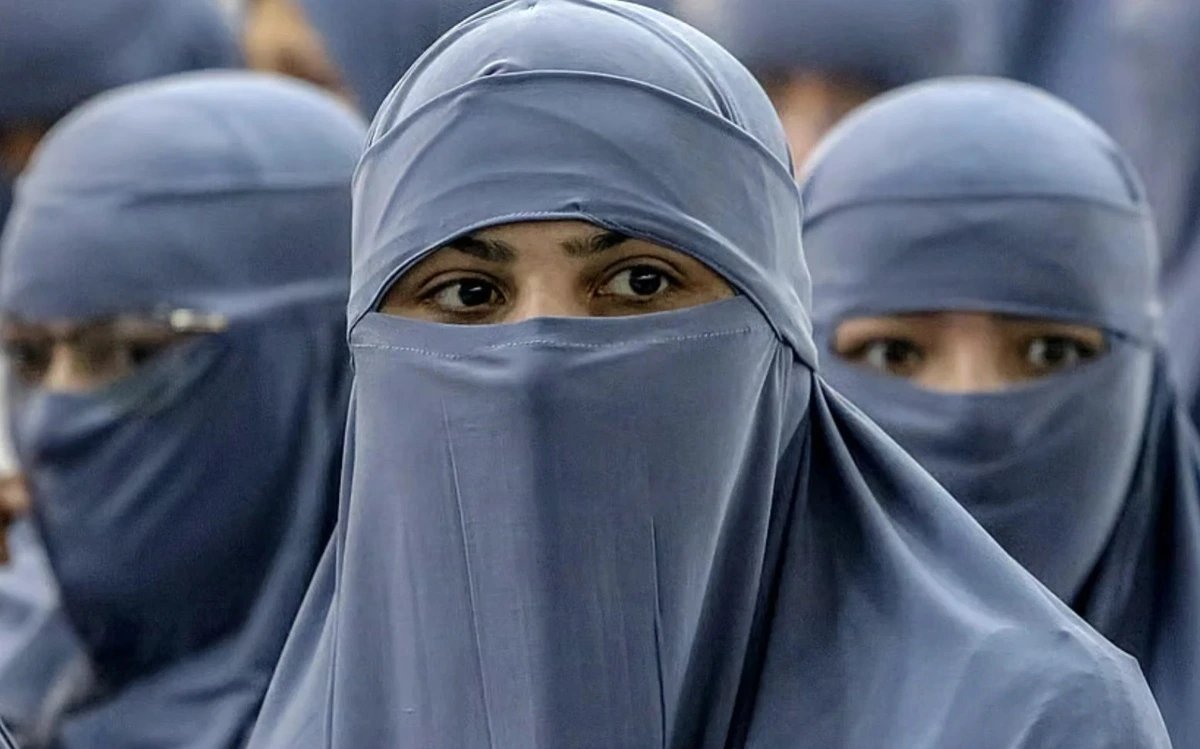
This digest was compiled by AI from multiple sources — links to the originals are below.
Portugal bans face-covering clothing in public places after President António José Seguro signed the measure into law. Fines range from 150 euros for negligent violations to 3,000 euros for intentional violations, with exemptions for places of worship, diplomatic missions and aircraft.
Key Facts
- Parliament approved the measure in July 2026.
- Fines range from 150 to 750 euros for negligent violations and from 400 to 3,000 euros for intentional violations.
- Exemptions apply to places of worship, diplomatic missions, aircraft, health needs, professional activity, artistic purposes and weather conditions.
- The initiative came from the far-right Chega party and was supported by the governing centre-right coalition, while left parties voted against it.
- Portugal joins France, Belgium, Austria and Denmark among European countries with similar restrictions.
The Face-Covering Ban
President António José Seguro signed the law banning clothing intended to conceal the face or hinder identification in public places. Parliament passed the measure in July 2026. Forcing a person to cover their face for reasons related to gender, religion, age or origin is also prohibited.
Penalties and Exemptions
Negligent violations carry fines of 150 to 750 euros. Intentional violations carry fines of 400 to 3,000 euros. Exemptions cover places of worship, diplomatic missions, aircraft, health needs, professional activity, artistic purposes and weather conditions.
Political and European Context
The far-right Chega party introduced the initiative, and the governing centre-right coalition backed it in the July 2026 vote. Left parties voted against the law. President Seguro said an open face is central to human identity, communication and social trust. Portugal joins France, Belgium, Austria and Denmark among European countries with similar restrictions.
1 source
Time · lag behind first