
China reverses course on recycled plastic imports after nine-year ban
This digest was compiled by AI from multiple sources — links to the originals are below.
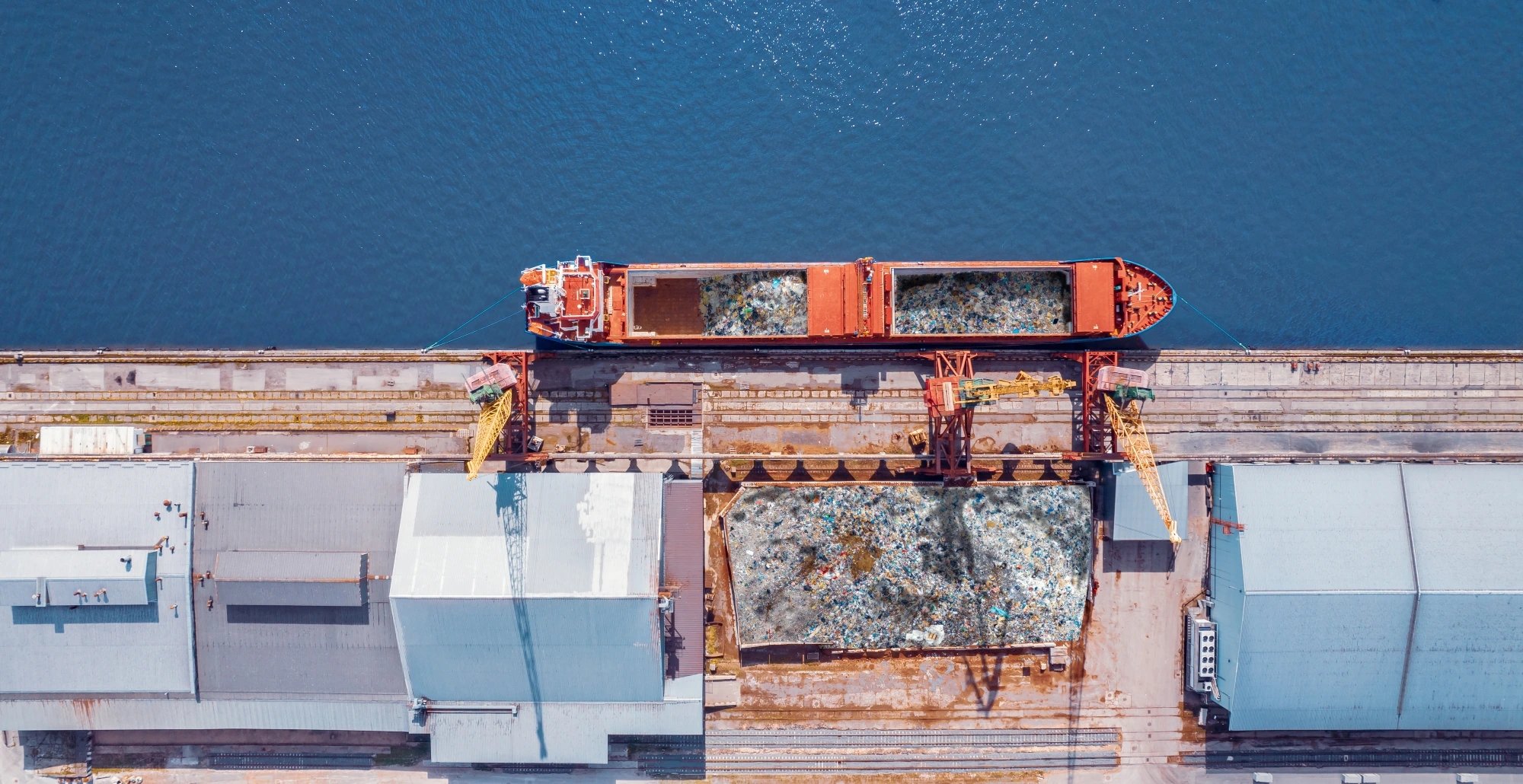
China reverses course on recycled plastic imports and commits to expanding cross-border movement after a nine-year ban imposed under the 2017 National Sword policy. The move comes as the European Union prepares to prohibit exports of potentially recyclable plastic to non-OECD countries in November 2026.
Key Facts
- China's primary plastic imports rose from 29.7 million tonnes in 2017 to 40.9 million tonnes in 2020, an average annual increase of 12.6 percent.
- China's self-sufficiency in synthetic resins reached 90 percent in 2024.
- China's petrochemical sector accounts for roughly 40 percent of global capacity and exports more than 17 million tonnes a year.
- China absorbed much of the world's recovered plastic for two decades before the 2017 National Sword ban.
EU Export Restrictions
The European Union will prohibit exports of potentially recyclable plastic to non-OECD countries in November 2026. The EU labeled these exports as waste and described the cross-border flows as environmental exploitation. Europe's efforts concentrate on boosting demand for recycled plastic at home while taking a hardline position on exports abroad.
China's Policy Reversal
China has reversed course and committed to expanding the movement of recyclable plastic across its border. For most of the past decade, China was closed to imports of plastic waste entirely. China's new approach is centered on supply and weaker on the demand for recycled plastic. China's National Sword policy, launched in 2017, abruptly closed the country to imports of plastic waste.
Shift to Virgin Plastic
With imported feedstock of plastic waste unavailable and no demand-side policy pulling recycled material through the system, China's market started making more virgin plastic. China's primary plastic imports rose from 29.7 million tonnes in 2017 to 40.9 million tonnes in 2020, an average annual increase of 12.6 percent. China then developed the capacity to make at home what it had been buying abroad, and self-sufficiency in synthetic resins climbed to 90 percent in 2024. Recycled plastic inside China competes against a domestic petrochemical sector that accounts for roughly 40 percent of global capacity. The sector exports more than 17 million tonnes a year, is structurally oversupplied, and runs on thin margins.
1 source
Time · lag behind first