
Japan's bond rout leaves Takaichi's fiscal plans vulnerable to 3% JGB yield
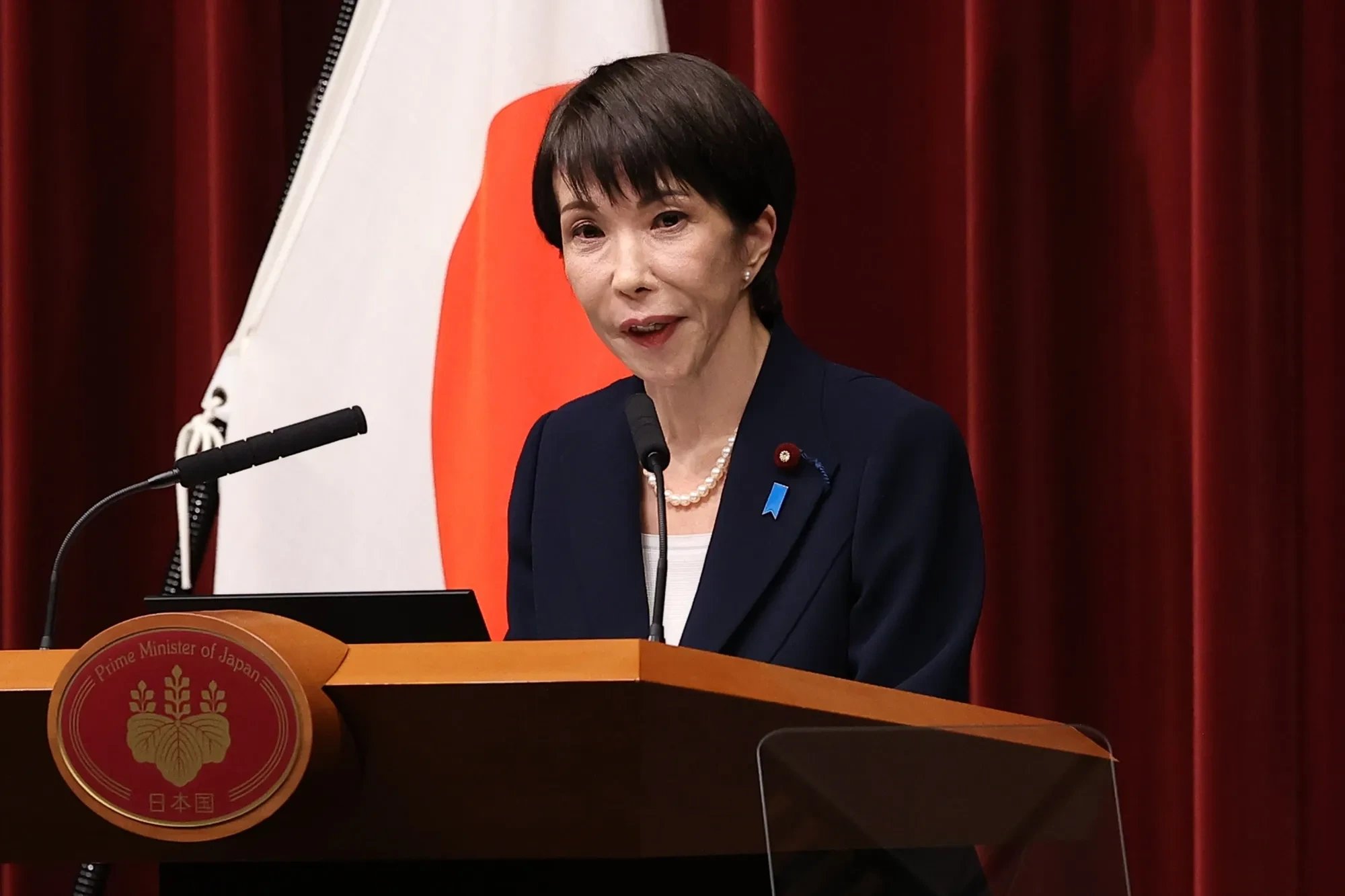
This digest was compiled by AI from multiple sources — links to the originals are below.
Japan's benchmark 10-year government bond yield hit a three-decade high of 2.945% on Tuesday and eased to around 2.89% on Wednesday, leaving Prime Minister Sanae Takaichi's spending agenda exposed to higher debt costs. Analysts say available tools, from sporadic issuance cuts to emergency Bank of Japan buying, offer only temporary relief against sticky inflation and a loose fiscal stance.
Key Facts
- Japan's benchmark 10-year government bond yield hit a three-decade high of 2.945% on Tuesday before easing to about 2.89% on Wednesday.
- The Japanese government projects real GDP growth of 0.9% in the current fiscal year ending March 2027 and 1.1% the following year.
- Nomura Securities executive rates strategist Mari Iwashita said Japan has not faced such sticky price pressures since the previous oil shock and that anchoring inflation at the Bank of Japan's 2% target is becoming a bigger challenge.
- The Bank of Japan has warned of a risk of an inflation overshoot, while government subsidies have kept core inflation below 2%.
- Conservative members of Japan's ruling party are pressing Prime Minister Sanae Takaichi to curb spending.
The Bond Rout
The global bond selloff has found its epicentre in Japan, with the benchmark 10-year yield on the brink of hitting 3% for the first time since the mid-1990s. Investors are growing increasingly nervous about Japan's towering debt pile and inflation risks stemming from the Middle East war. After hitting a three-decade high of 2.945% on Tuesday, the 10-year yield slid to around 2.89% on Wednesday. Analysts see a realistic path toward rates reaching 2%, well above earlier expectations for a peak near 1.5%. Prospects of sooner and faster Bank of Japan rate hikes have reduced concerns that the central bank is falling behind the inflation curve but also fuelled repricing across bond markets.
Takaichi's Fiscal Exposure
Prime Minister Sanae Takaichi's case for increased spending rests on the assumption that economic growth will outpace long-term borrowing costs. That premise would come under doubt if the 10-year Japanese government bond yield exceeds 3% with inflation at 2% and real growth seen at around 1% at best. Cabinet Office estimates released in July put real gross domestic product growth at 0.9% in the current fiscal year ending March 2027 and 1.1% the next year. Higher yields would also threaten the affordability of Takaichi's flagship growth initiatives, while conservatives within the ruling party are pressing her to curb spending.
Policy Constraints
Analysts say the tools available to calm markets amount to little more than temporary patches for a bond market squeezed by stubborn inflation and an increasingly loose fiscal stance. Those tools include sporadic cuts to bond issuance and emergency central bank buying. The Bank of Japan has warned of a risk of an inflation overshoot, while government subsidies have kept core inflation below 2%. Nomura Securities executive rates strategist Mari Iwashita said Japan has not experienced such sticky price pressures since the previous oil shock. Analysts do not expect the Bank of Japan to ramp up bond buying at this stage.
1 source
Time · lag behind first