Kazakh Science Minister Nurbek Says ENU Rector's Contract Will Not Be Extended
This digest was compiled by AI from multiple sources — links to the originals are below.
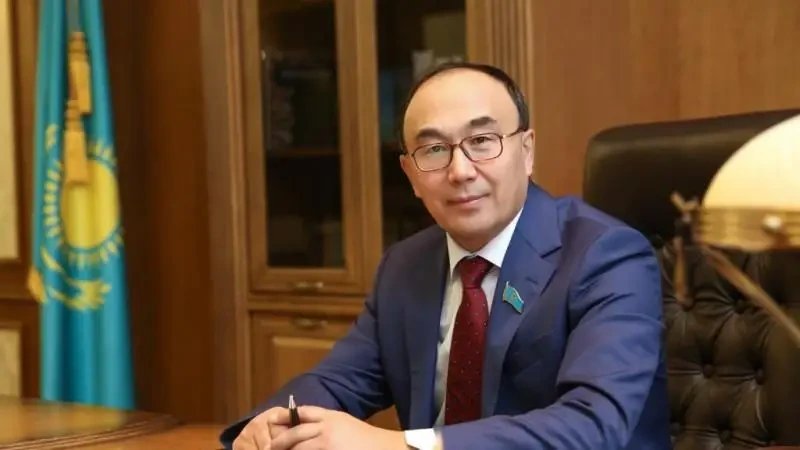
Science and Higher Education Minister Sayasat Nurbek says the ministry will not extend the contract of ENU Rector Yerlan Sydykov when it expires in early 2027. Nurbek also announces plans to cap rector tenures at two three-year terms, or six years. The statements come as the ministry promotes shorter and hybrid study formats and works to hold annual tuition growth at 10–15 percent.
Key Facts
- Yerlan Sydykov has led L. N. Gumilyov Eurasian National University since 2011 and his current rector contract expires in early 2027.
- The Ministry of Science and Higher Education plans to cap rector tenures at two three-year terms, or a maximum of six years.
- Since 2022, universities can independently determine and change up to 92 percent of education program content, including program duration.
- The ministry says it is working with universities to keep annual tuition growth within 10–15 percent.
- Minister Nurbek said a national university ranking will be launched by the end of this year to show applicants employment rates, infrastructure and teaching quality.
Rector Contract and Tenure Cap
Minister of Science and Higher Education Sayasat Nurbek said at a government briefing that the ministry will not extend the contract of ENU Rector Yerlan Sydykov. Sydykov's current contract expires in early 2027 and he has led the L. N. Gumilyov Eurasian National University since 2011. Currently rectors sign three-year contracts and the ministry can extend them for one additional three-year term. Nurbek announced plans to set a two-term limit, or a maximum of six years, for holding a rector post. He cited Mukhtar Tolegen, who headed East Kazakhstan University named after Sarsen Amanzholov for about eight years and has already left the post, as another example of lengthy tenure.
Flexible Study Durations
Science and Higher Education Minister Sayasat Nurbek said university study periods will gradually become shorter and more flexible and hybrid formats will be introduced. Since 2022, universities can independently determine and change up to 92 percent of program content, including duration. Nurbek said bachelor's programs of 2.5 to 3 years are already being tested at Narxoz University. The ministry plans to launch an applied bachelor's pilot with higher colleges so students can obtain applied specialties in a shorter period. Nurbek said content in IT and artificial intelligence programs changes especially fast, and shortened formats are being prepared for these fields.
Tuition and University Controls
Minister Nurbek said the ministry is working with universities to keep annual tuition growth at 10–15 percent. He attributed the permitted increases to inflation, higher costs of materials and tariffs. Nurbek said tuition at national universities is fixed and controlled annually, while private universities raise prices more aggressively under market principles. The ministry will launch a national university ranking by the end of this year so applicants can compare employment rates, infrastructure and teaching quality. Nurbek added that universities also undergo accreditation, including by foreign standards, as part of quality control.
13 sources
Kazakh Science Minister Nurbek Says ENU Rector's Contract Will Not Be Extended