Syria reports undeclared nuclear material; IAEA finds several tonnes in Damascus
This digest was compiled by AI from multiple sources — links to the originals are below.
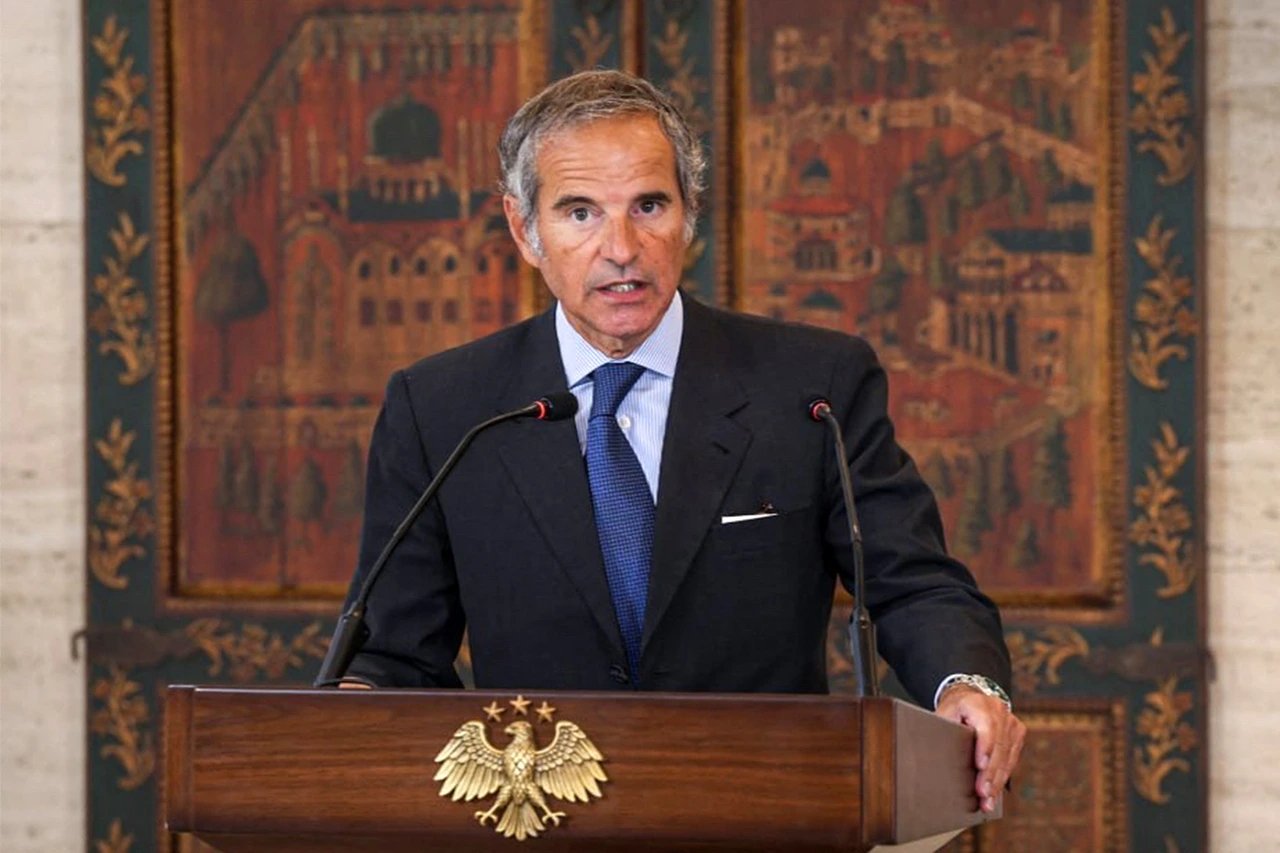
Syria reports on Tuesday that IAEA inspectors found several tonnes of nuclear material at an undeclared Damascus site, and Damascus opens the way for a UN probe into Assad-era nuclear activities. Foreign Minister Asaad al-Shaibani says the material was not dangerous and will remain in Syrian custody under guarantees, while IAEA chief Rafael Grossi promises to place it under international safeguards.
Key Facts
- IAEA inspectors found several tonnes of nuclear material at a site in Damascus.
- Syria sent an official letter to the IAEA on July 17 declaring the presence of nuclear materials at an undeclared site within the legacy left by the former regime.
- IAEA inspectors visited two sites: one in Deir ez-Zur and a second location related to the recently identified nuclear material.
- Foreign Minister Asaad al-Shaibani said the material was not dangerous and would remain in Syrian custody subject to guarantees.
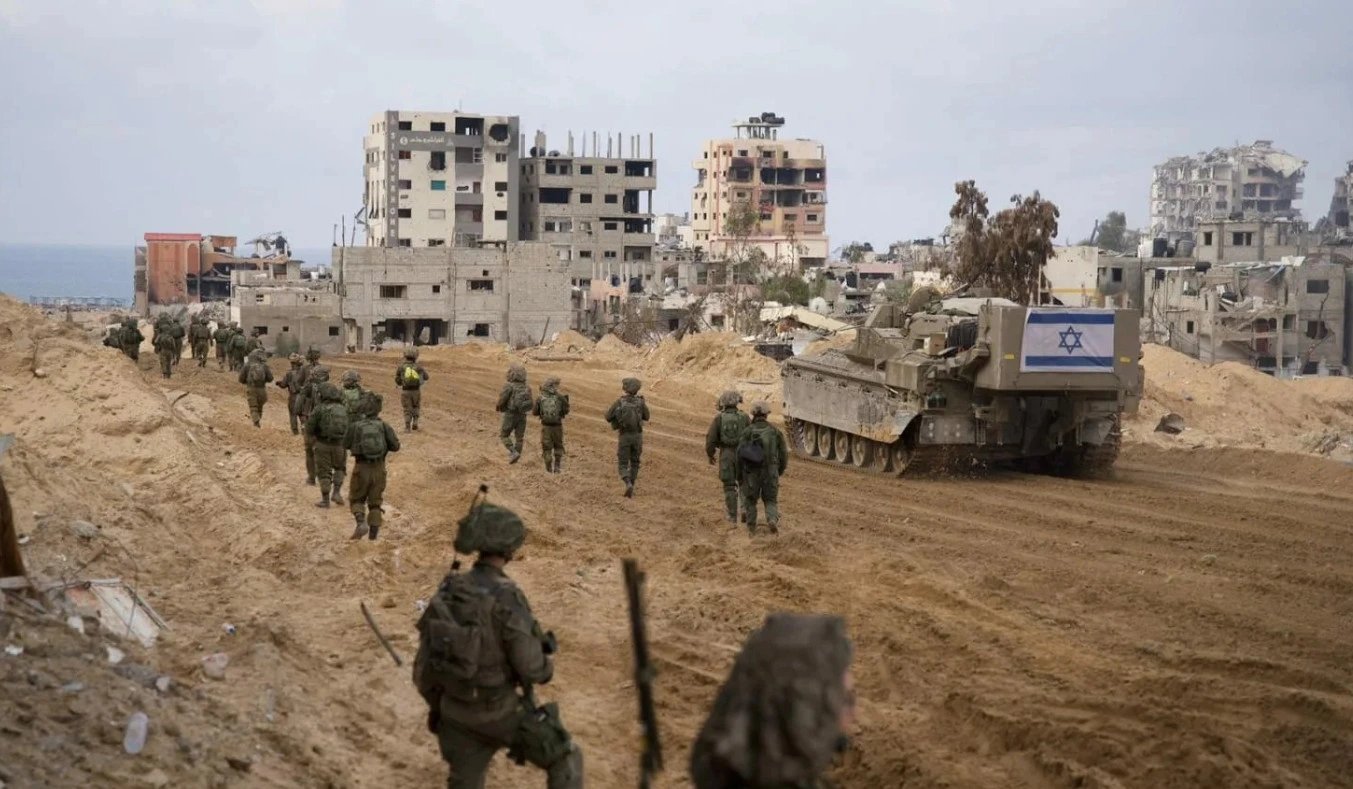
- Israel bombed a suspected Syrian nuclear reactor in Deir ez-Zur in 2007.
Damascus disclosure
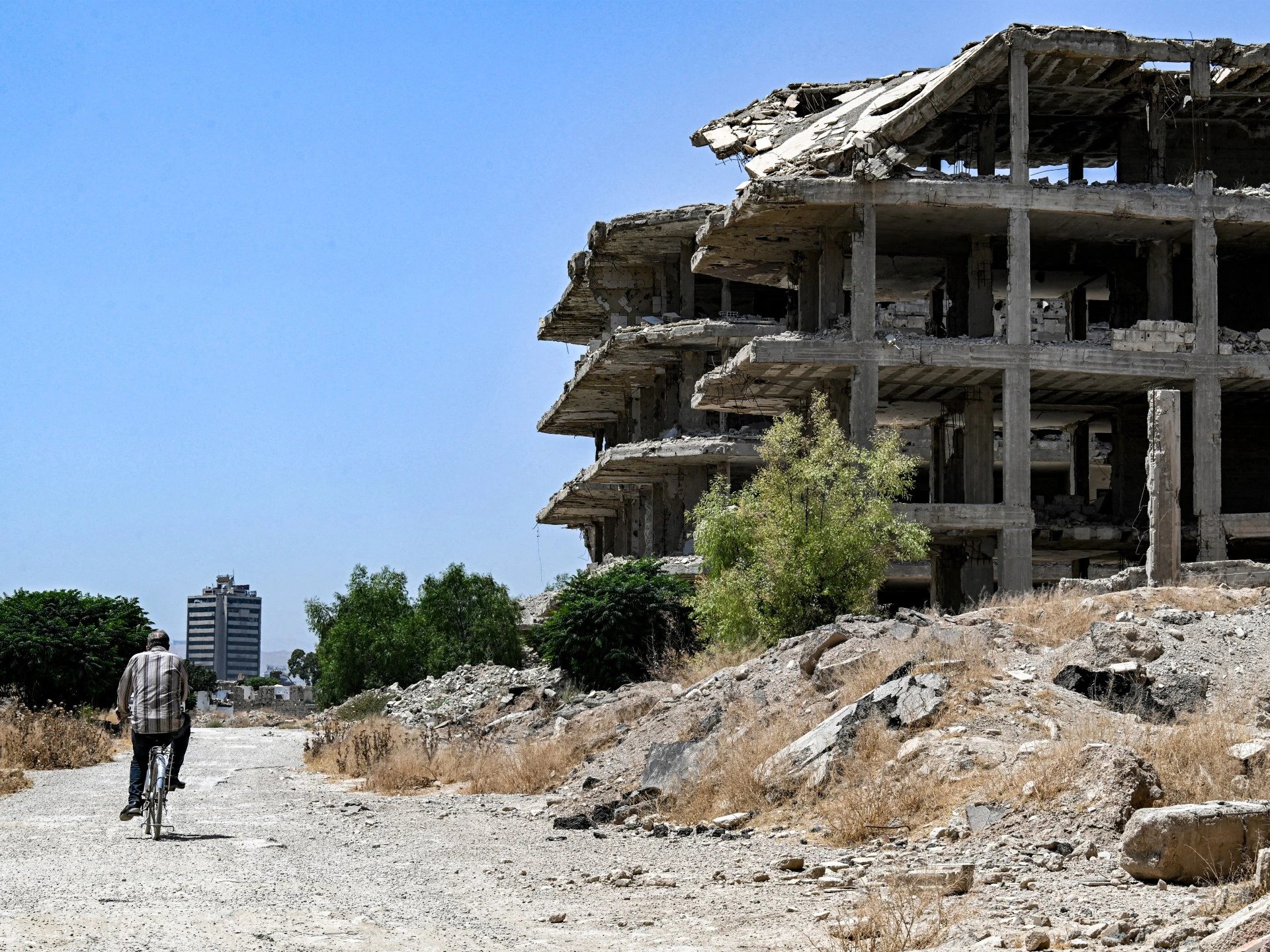
IAEA inspectors found several tonnes of nuclear material at a site in Damascus. Syria reported the site to the IAEA last month, and Foreign Minister Asaad al-Shaibani said on Tuesday that Damascus was working with the agency. Al-Shaibani said the material was not dangerous and would remain in Syrian custody subject to guarantees. IAEA chief Rafael Grossi praised the government's 'courageous decision' to report the undisclosed site. Grossi said the material, which he described as 'a few tonnes', 'could be put to bad use' and promised it would be placed under international safeguards.
Inspection scope and legacy
IAEA inspectors visited two sites, one in Deir ez-Zur and a second location related to the nuclear material identified by Syria recently. Syria opened the way for a United Nations probe into the remains of a nuclear programme operated under ousted leader Bashar al-Assad. Since the fall of the Assad regime in late 2024, Syria's authorities have committed to working with the IAEA to address the legacy of nuclear activities carried out during the decades of Assad family rule. Syria is not known to hold operational stockpiles of nuclear material for a weapons programme. Israel bombed a suspected Syrian nuclear reactor in Deir ez-Zur in 2007.
1 source
Syria reports undeclared nuclear material; IAEA finds several tonnes in Damascus