South Korea's Nuclear Debate Pressures U.S. Alliance and Nonproliferation Regime
This digest was compiled by AI from multiple sources — links to the originals are below.
South Korea's debate over acquiring nuclear weapons has intensified as North Korea expands its arsenal and U.S. security guarantees face renewed scrutiny. Public support has reached up to 80 percent, while policy elites favor a threshold capacity to preserve the U.S. alliance and Nuclear Non-Proliferation Treaty commitments. Retired Lieutenant General Chun In-bum proposed on July 27 a South Korea-owned arsenal embedded in a dual-key deterrent with the United States.
Key Facts
- Retired Lieutenant General Chun In-bum published a July 27 Korea Times proposal for a South Korea-owned nuclear arsenal embedded in an integrated deterrence network with the United States.
- Public surveys in South Korea show up to 80 percent support for acquiring a nuclear weapons capability.
- South Korean policy elites prefer a "threshold capacity" to quickly develop nuclear weapons without actually doing so while the U.S. alliance remains in place.
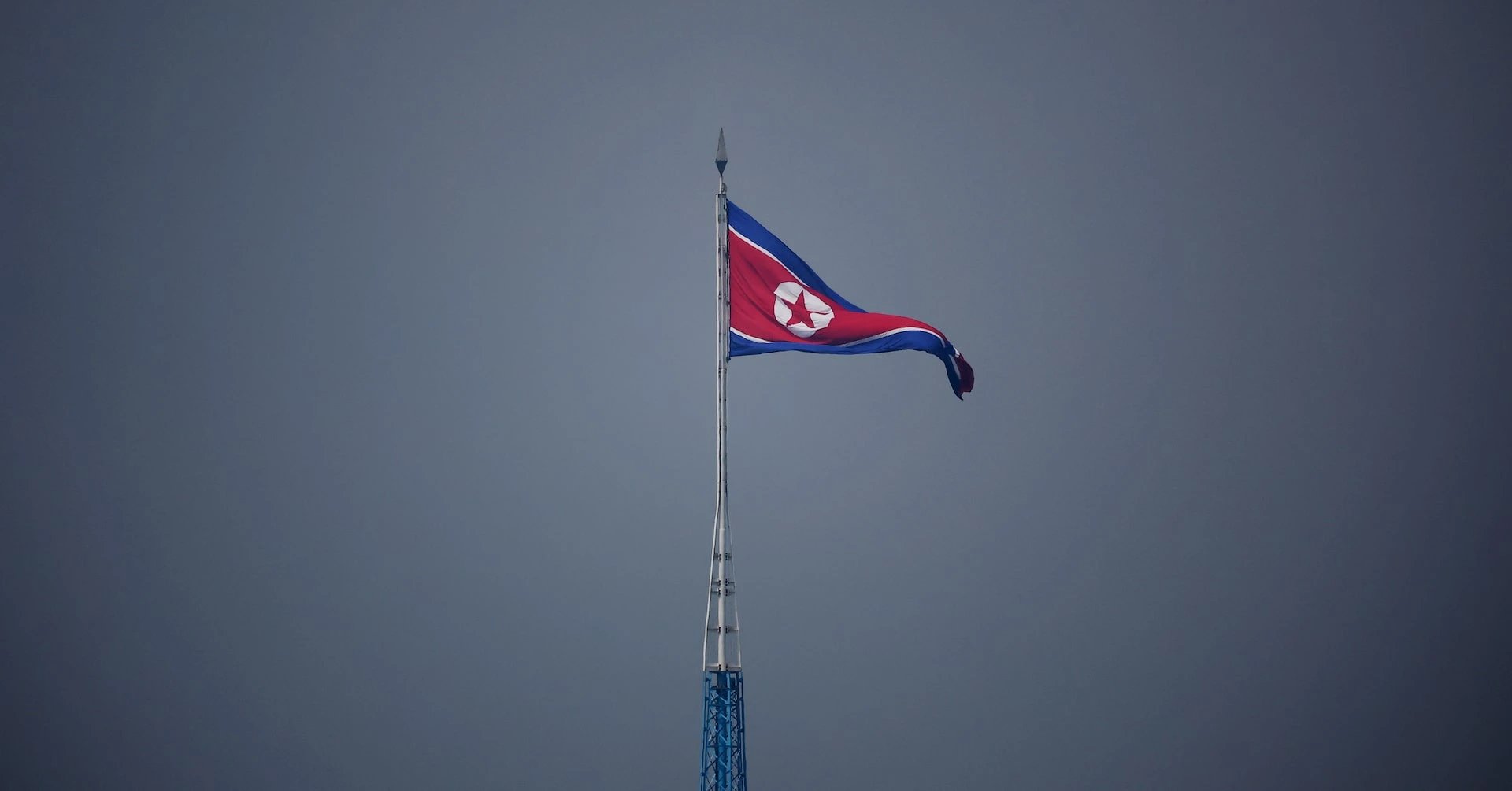
- North Korea has developed a significant alliance with Russia, renounced unification, and designated South Korea as its enemy.
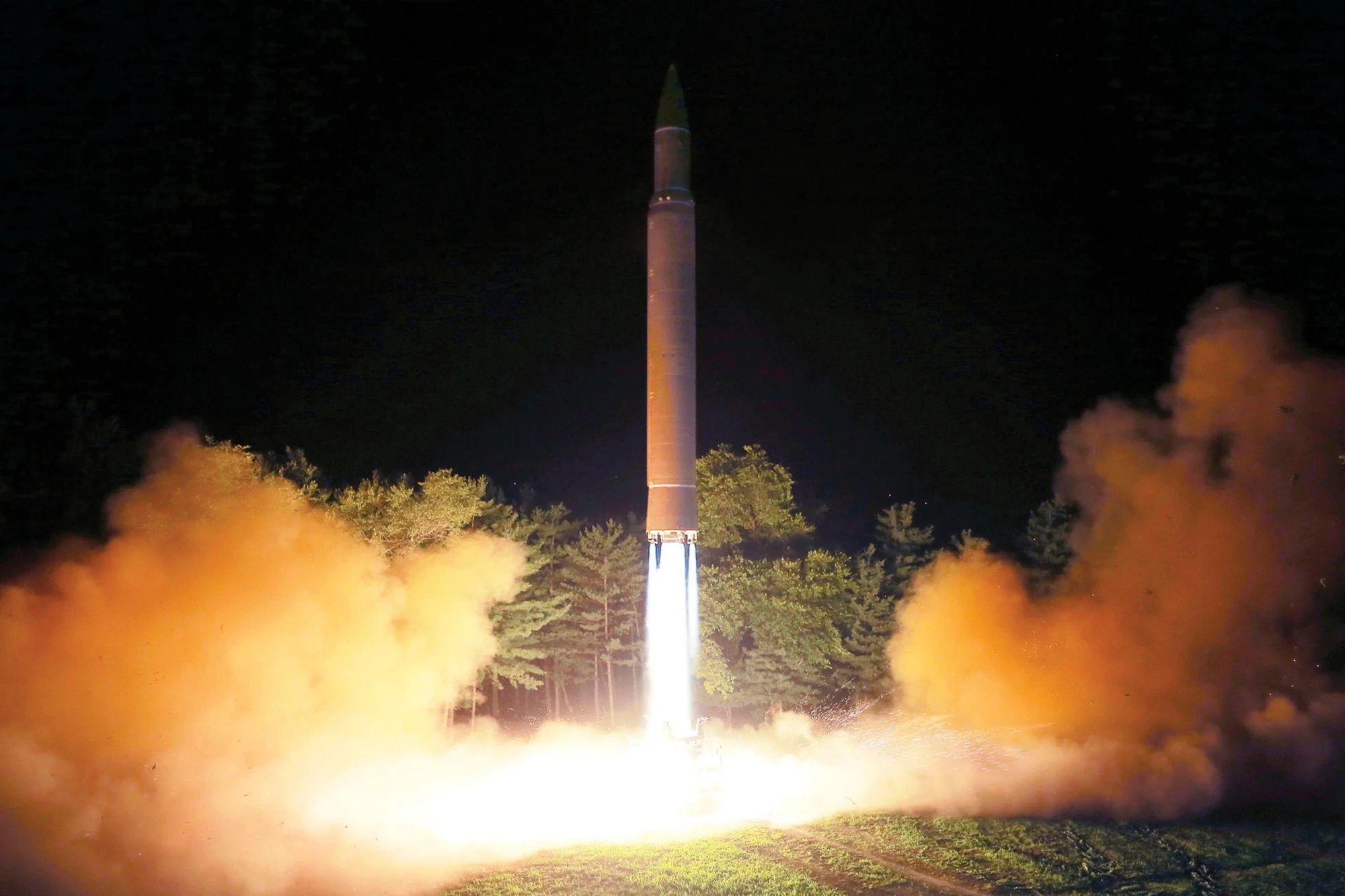
- The continental United States is now within reach of North Korean ballistic missiles.
South Korea's Nuclear Debate
South Korea faces the dilemma acutely as North Korea expands its nuclear arsenal and Pyongyang deepens its alliance with Russia. The United States' preparedness to defend allies in the region has come into question, and the continental United States is now within reach of North Korean ballistic missiles. Retired Lieutenant General Chun In-bum published a proposal in the Korea Times on July 27 for Seoul to own a nuclear arsenal embedded in an integrated deterrence network with Washington. Chun said the dual-key arrangement would resemble early Cold War deployments in Europe and require consent of the host country and the United States for launch. He acknowledged significant issues with the Nuclear Non-Proliferation Treaty, verification, and decision-making.
Public Support and Elite Caution
Public surveys in South Korea have shown up to 80 percent support for Seoul acquiring a nuclear weapons capability. Policy elites show less enthusiasm because of potential consequences for the alliance with the United States, adherence to the NPT, and economic implications. Policymakers tend to prefer a "threshold capacity" whereby South Korea could quickly develop nuclear weapons but would not actually do so while the U.S. alliance remains in place.
1 source
South Korea's Nuclear Debate Pressures U.S. Alliance and Nonproliferation Regime