China's aluminium exports cushion Iran war shock, but shift fabrication to China
This digest was compiled by AI from multiple sources — links to the originals are below.
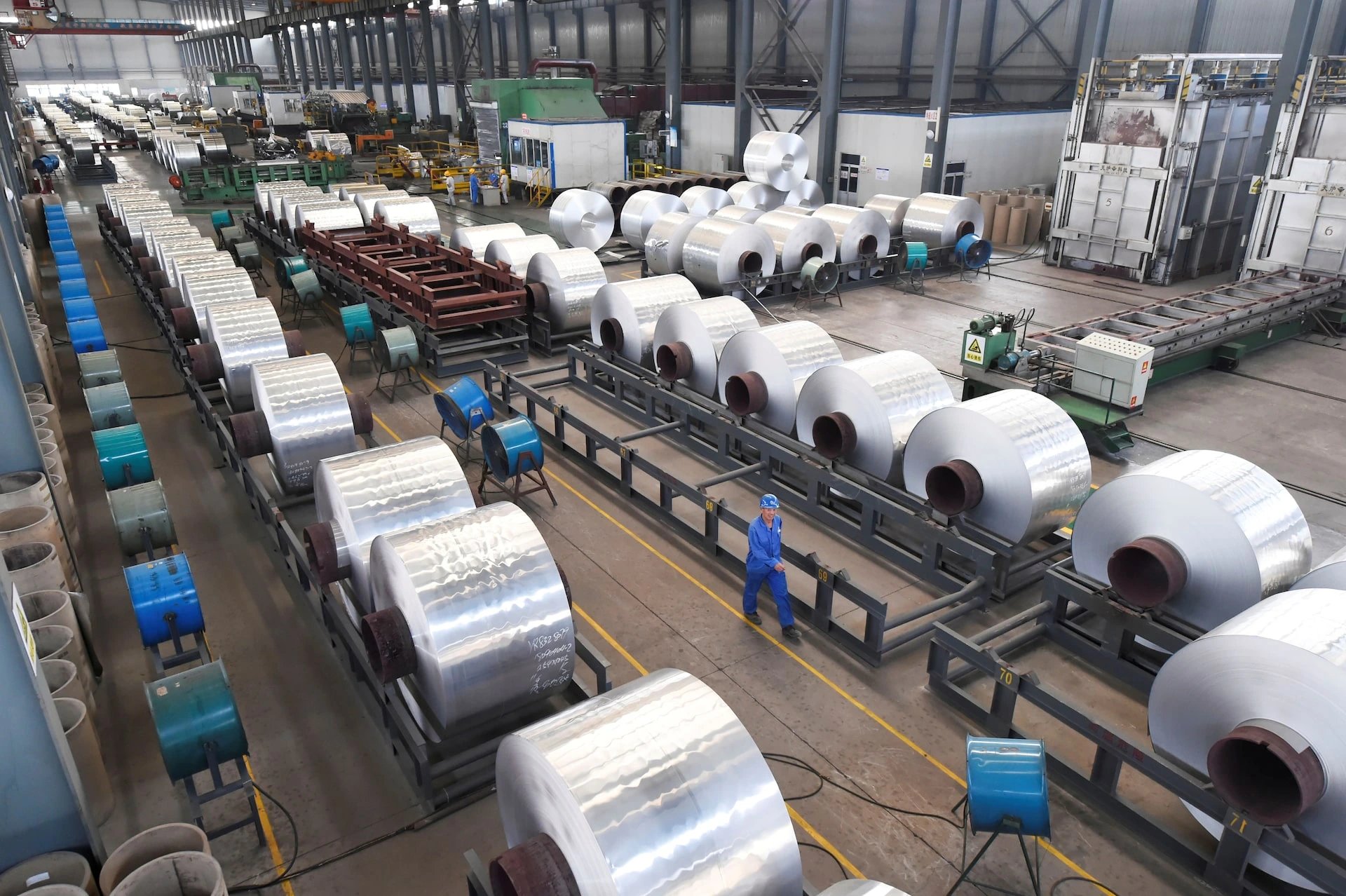
China has emerged as a significant swing supplier of aluminium to a Western market reeling from Gulf output losses caused by the Iran war, with first-half exports of semi-manufactured products up 18% to 3.2 million metric tons. The flows cushion the global supply chain but displace fabricating activity from the rest of the world to China.
Key Facts
- China exported 9,700 metric tons of aluminium to the United States in January-June 2026, while U.S. customs counted only 70 tons of Chinese imports over the same period.
- China's alloy exports nearly doubled to 238,500 metric tons in the first half of 2026, and the country became a net exporter of alloy in June for the first time since 2019.
- Primary metal exports rose 32% year-on-year to 38,400 metric tons in January-June, most of that volume likely Western aluminium stored in bonded warehouses and rerouted to Western markets.
- Beijing removed a 13% value-added tax export rebate on products effective December 2024; Chinese semi-manufactured products exports dropped 18% to 890,000 tons in 2024.
- Primary metal carries a 30% export tax, while aluminium alloy and semi-manufactured products can leave China at a zero tax rate.
China's Export Mix
China has lifted exports of primary metal, alloy and semi-manufactured products to Western markets reeling from lost Gulf production caused by the Iran war. First-half primary metal exports rose 32% year-on-year to 38,400 metric tons, but most of that volume was Western aluminium stored in bonded warehouses and rerouted to Western markets. China exported 9,700 tons to the United States in January-June, while U.S. customs counted only 70 tons of Chinese imports over the same period. Alloy exports nearly doubled to 238,500 tons in the first half of 2026, and China became a net exporter of alloy in June for the first time since 2019. Semi-manufactured products exports grew 18% year-on-year to 3.2 million tons in January-June, with June shipments reaching 695,000 tons, a new monthly record.
The Tax Gap
China's aluminium export flows are determined primarily by tax code. Primary metal carries a 30% export tax, while alloy and semi-manufactured products can exit at a zero tax rate. This tax gap explains why most current outbound volumes are alloy and products such as bar, rod and tube, rather than primary metal. Beijing removed a 13% value-added tax export rebate on products effective December 2024. After the rebate removal, Chinese semis exports dropped 18% to 890,000 tons in 2024 as processors pivoted to the domestic market.
Global Fabrication Shift
China's product exports do not directly replace the primary metal and alloy units lost in the Gulf; instead they suppress demand for unwrought metal further along the processing chain. The result is a relocation of fabricating activity from the rest of the world to China. China's semis exports have long been a point of contention with Western policymakers, and many countries have imposed steep anti-dumping tariffs across a range of products. The short-term relief to Western supply chains is accompanied by a longer-term shift of fabricating activity from the rest of the world to China.
1 source
China's aluminium exports cushion Iran war shock, but shift fabrication to China