Pentagon signs Boeing, RTX framework deals to expand SM-3 component production
This digest was compiled by AI from multiple sources — links to the originals are below.
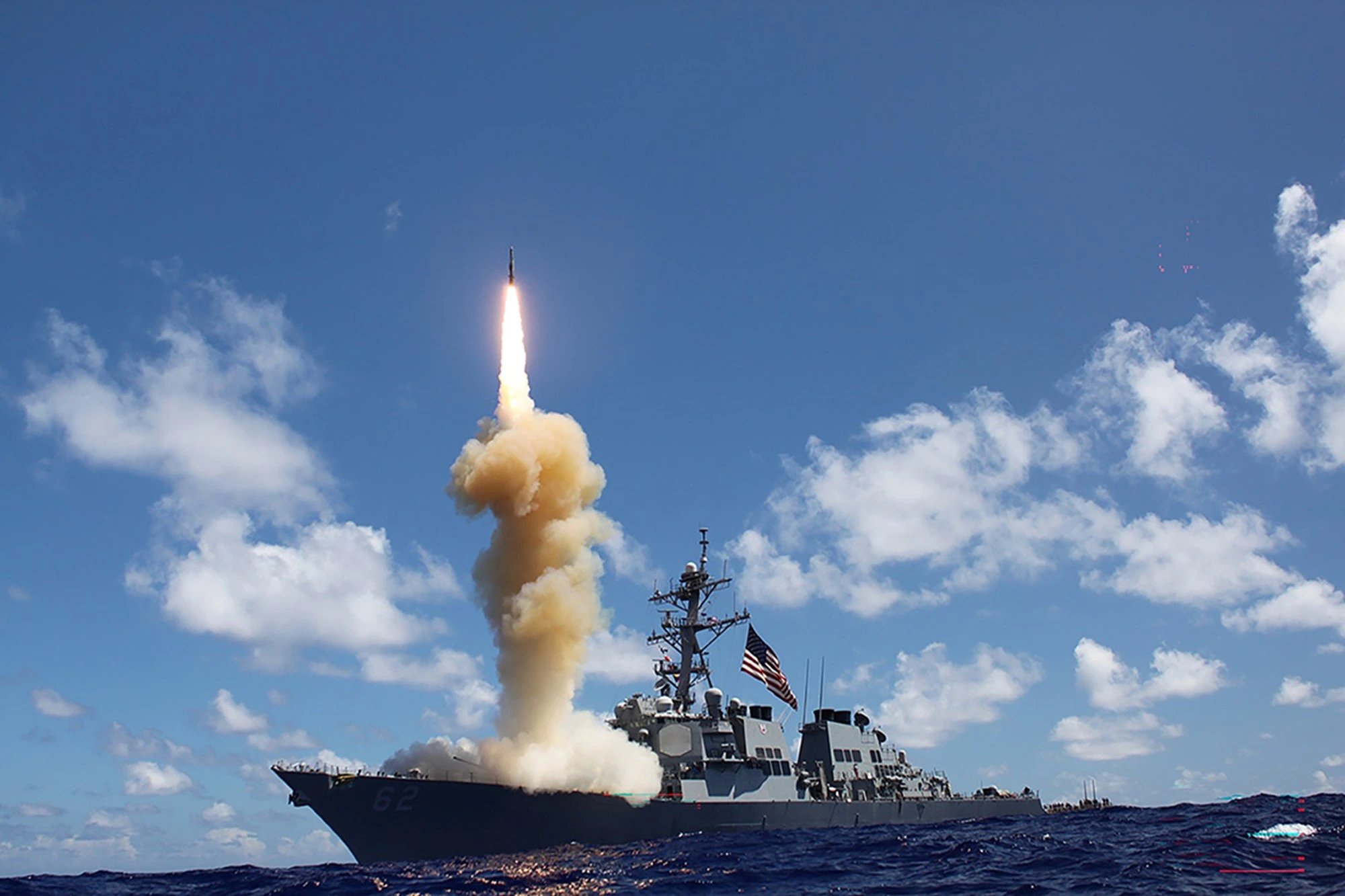
The Pentagon signed two framework agreements Friday with Boeing and RTX to expand production of avionics and ejector assemblies for the Standard Missile-3 Block IB and Block IIA interceptors. The seven-year deals allow Boeing to start building components before a contract is in place while the three sides negotiate a multiyear agreement. Neither the Pentagon nor Boeing released dollar figures or quantities.
Agreement Terms
The two framework agreements cover avionics and ejector assemblies that Boeing supplies to Raytheon, an RTX business and prime contractor for the SM-3 Block IB and Block IIA. The frameworks run for seven years and allow Boeing to begin building components before a contract is in place while the Pentagon, Boeing and RTX negotiate a multiyear deal. Michael P. Duffey, the Pentagon's acquisition and sustainment official, said the agreements ensure warfighters get the munitions they need and put the defense industrial base on a wartime footing. Bob Ciesla, vice president of Boeing Precision Engagement Systems, said the SM-3 is part of the layered air and missile defense architecture that protects the United States and allies.
Demand and Stockpile
Demand traces to April 2024, when Navy destroyers first fired SM-3s in combat to help thwart an Iranian ballistic missile attack on Israel; more interceptors have been launched since, including in Operation Epic Fury. The Center for Strategic and International Studies estimated the SM-3 inventory at 414 missiles as of December 2025. A May CSIS analysis put wartime expenditures between 130 and 250 missiles and warned that replenishment will take years. Congress kept the Block IB line open after the Missile Defense Agency proposed ending new purchases in the fiscal 2025 budget request.
Production Expansion Strategy
The approach mirrors a seven-year Boeing deal struck in April to triple production of PAC-3 Missile Segment Enhancement seekers, part of a broader Pentagon effort to lock in supply from key subcontractors alongside prime contractors. Earlier this month, the Missile Defense Agency awarded Raytheon a $745 million contract to produce fully assembled SM-3 Block IIA interceptors for the United States and Japan. The long-term commitments are intended to give suppliers enough certainty to invest in added capacity across the SM-3 supply chain.
What's Next
The Pentagon, Boeing and RTX are expected to negotiate a multiyear contract under the seven-year frameworks. It remains unclear how quickly the added capacity can replenish the estimated 414-interceptor stockpile after wartime expenditures of 130 to 250 missiles.
2 sources
Pentagon signs Boeing, RTX framework deals to expand SM-3 component production