
Turkish doctor receives deferred 11-month sentence after antibiotic injection left Merve Sena Sümer 98% disabled
This digest was compiled by AI from multiple sources — links to the originals are below.
An Ankara court convicted pediatrician T.K.D. of negligent injury after an October 28, 2021 antibiotic injection at a private children's clinic left Merve Sena Sümer, then 10, with 98% disability. The doctor was sentenced to 11 months and 7 days in prison with the announcement of the verdict deferred, and banned from practicing medicine for six months once the ruling becomes final. The conviction followed the Ankara Regional Administrative Court's reversal of a Health Ministry Professional Responsibility Board decision that had declined investigation permission.
The October 2021 Incident
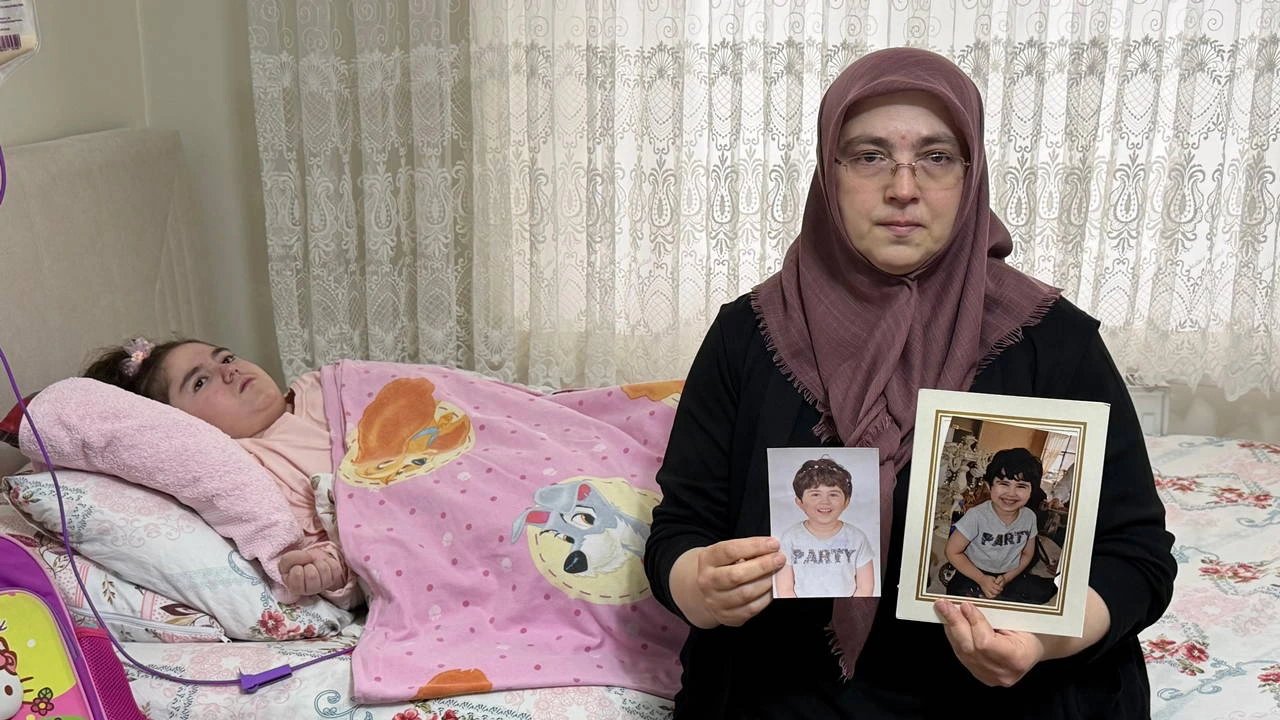
On October 28, 2021, Emel and Ömer Sümer brought their daughter Merve Sena Sümer, 10, to a private children's health clinic with a cough. Pediatrician T.K.D. administered an antibiotic injection, and Merve Sena lost consciousness from an allergic reaction. Her breathing stopped, and she was resuscitated at a hospital after her heart had been stopped for about 35 minutes, depriving her brain of oxygen. She spent 69 days in intensive care and was left 98% disabled and bedridden.
Investigation and Verdict
The family filed a criminal complaint against clinic owner M.A. and doctor T.K.D. The Health Ministry's Professional Responsibility Board initially declined investigation permission, but the Ankara Regional Administrative Court reversed that decision on appeal. The Ankara Chief Public Prosecutor's Office charged T.K.D. with negligent injury, seeking up to four years in prison. Ankara 35th Criminal Court of First Instance convicted the doctor, initially imposing 1 year 6 months, then reducing the term to 11 months 7 days due to discretionary mitigation and the simplified trial procedure. The court deferred the announcement of the verdict and banned T.K.D. from practicing medicine for 6 months once the ruling becomes final.
Care Failures
The reasoned judgment identified five care failures at the medical facility, including sending the patient to the waiting room instead of keeping her under post-injection observation. Staff did not fully inform 112 Emergency Service of her general condition, suspected diagnoses, or the anaphylaxis picture, and handed the patient to ambulance crews before she was stable. The referral hospital also received no information note about the procedures already performed. The court said the first response to anaphylaxis at a medical center should have been more effective and organized.
2 sources
Time · lag behind first