
CFTC orders Kalshi to keep operating, citing $36 billion New York threat
This digest was compiled by AI from multiple sources — links to the originals are below.
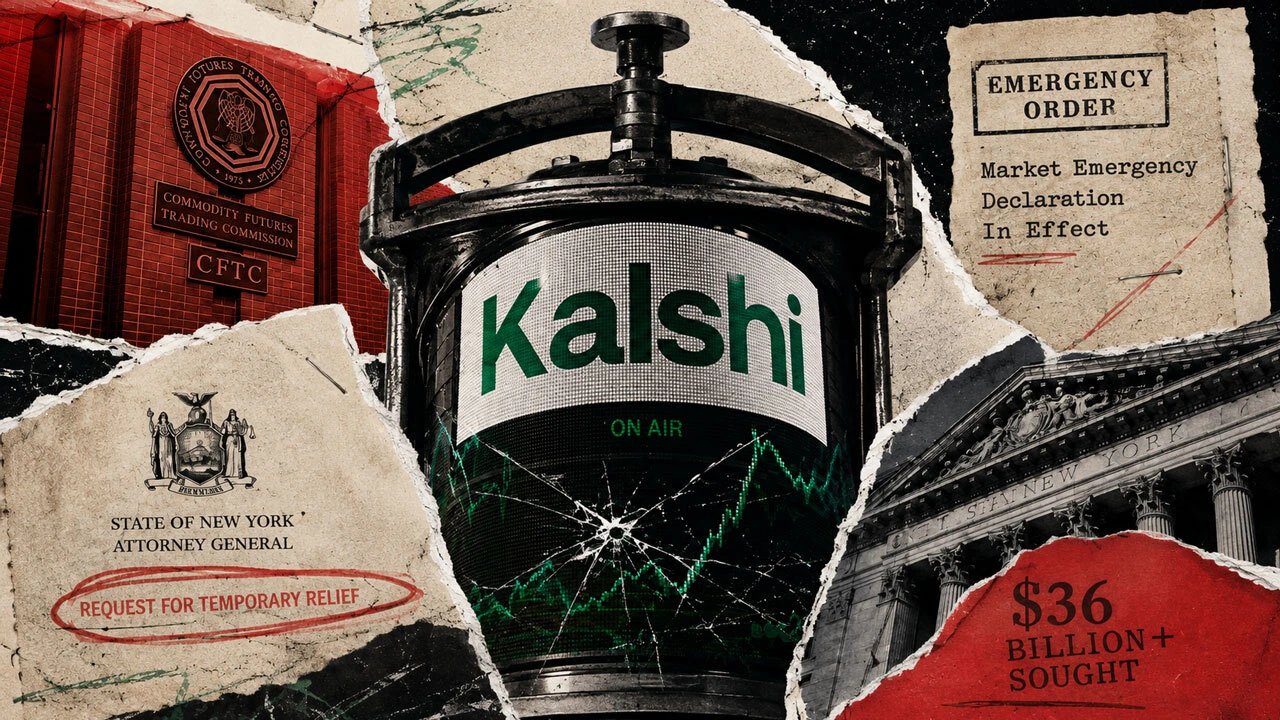
The CFTC orders KalshiEX LLC to continue operating after the prediction-market exchange declares a market emergency tied to New York's enforcement campaign. CFTC Chairman Michael Selig says the state's lawsuit seeking temporary relief could disrupt a federally regulated derivatives market and expose Kalshi to more than $36 billion in damages, arguing New York has no business regulating interstate platforms. The order marks the strongest federal intervention yet, even as Kalshi seeks a valuation of about $40 billion.
CFTC Intervention
On Aug. 11, the CFTC directed KalshiEX LLC to continue operating under the Commodity Exchange Act’s Core Principles after the exchange told the regulator that New York’s enforcement effort had created a market emergency. The agency said New York is seeking temporary relief that could prevent Kalshi from offering event contracts nationwide and expose the exchange to more than $36 billion in damages. Chairman Michael Selig rejected that approach, accusing New York of trying to make event-contract derivatives “waste away under its iron curtain of state gaming laws” before courts can issue final rulings. Selig argued that federally regulated derivatives exchanges should not be governed by a patchwork of state gambling laws because platforms such as Kalshi match bids and offers from users in different jurisdictions before clearing trades nationwide.
New York Lawsuit
Attorney General Letitia James filed the lawsuit on July 31, alleging Kalshi offers sports prediction markets without a license from the New York State Gaming Commission. Her office argues Kalshi is effectively operating an unlicensed gambling business while avoiding obligations imposed on regulated casinos and sportsbooks, including taxes and consumer-protection requirements. New York is asking a judge to force Kalshi to surrender gains tied to the alleged violations, provide restitution to affected consumers, and pay penalties equal to three times those gains. The state is also seeking temporary relief that could prevent Kalshi from offering event contracts nationwide.
Valuation and Jurisdiction
Kalshi has declared a market emergency and continues rapid growth while seeking a valuation of about $40 billion. The fight now spans state gambling law and New York City consumer-protection scrutiny, while courts still must decide whether states or the CFTC have final authority over event contracts. The CFTC order marks the strongest federal intervention yet in the widening dispute over whether states can apply gambling laws to event contracts on CFTC-regulated exchanges.
1 source
Time · lag behind first