FT: Vance asked Zelensky to halt strikes on CPC tankers
This digest was compiled by AI from multiple sources — links to the originals are below.
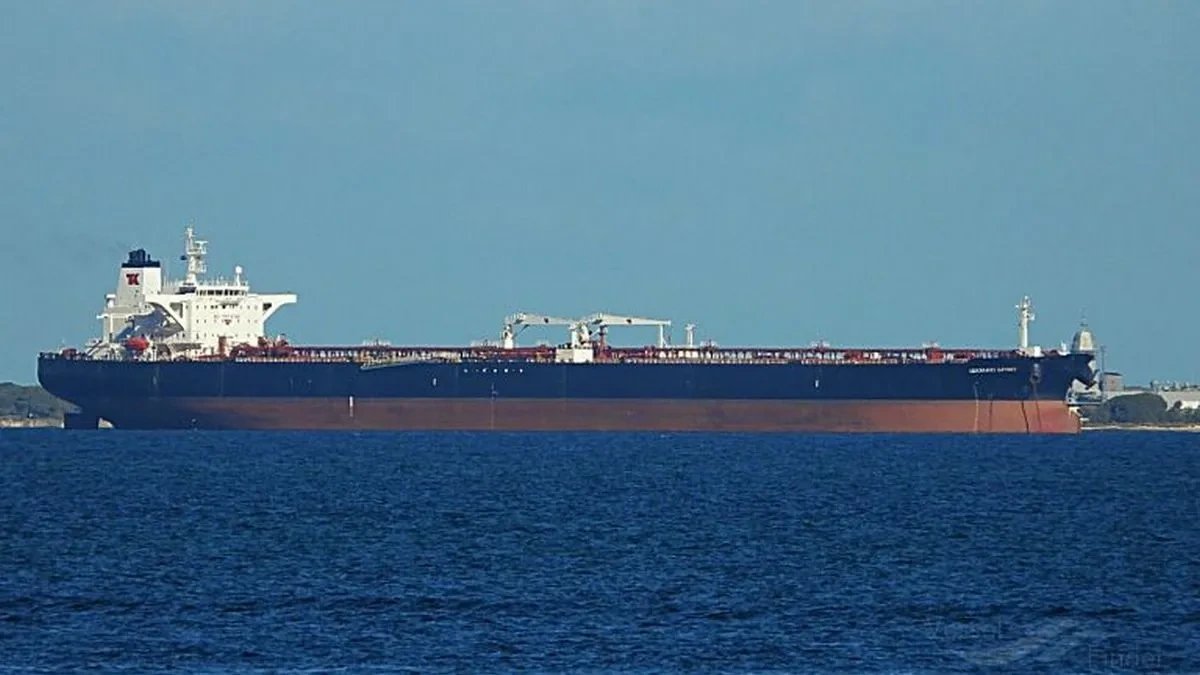
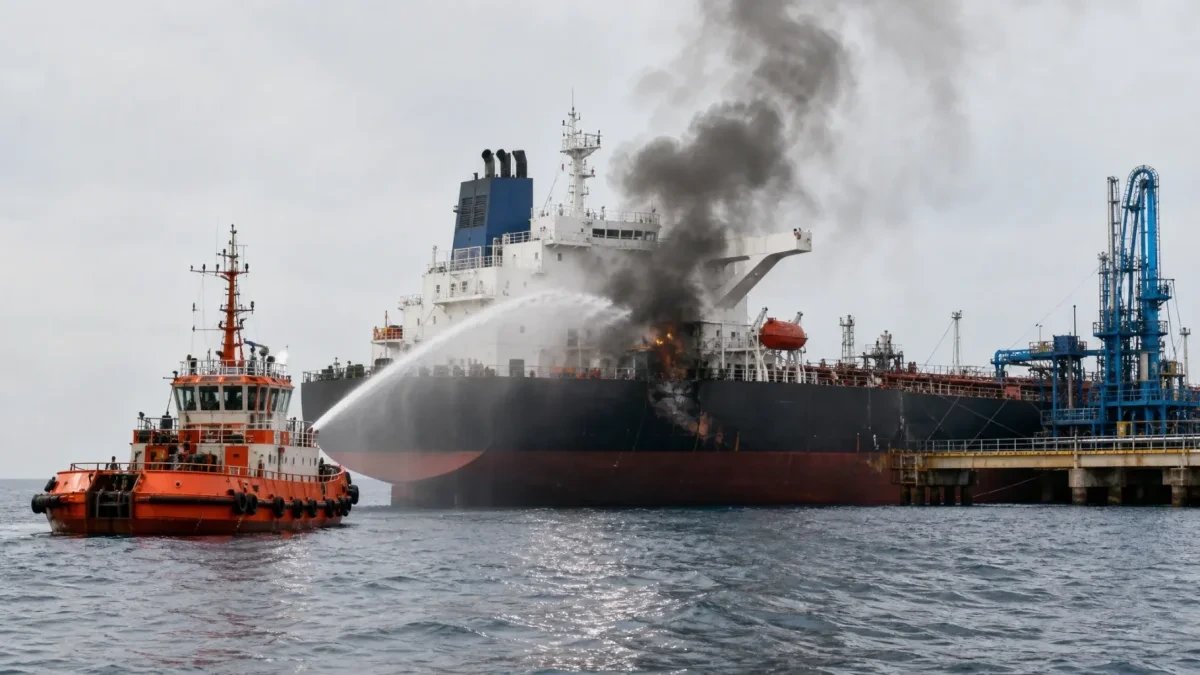
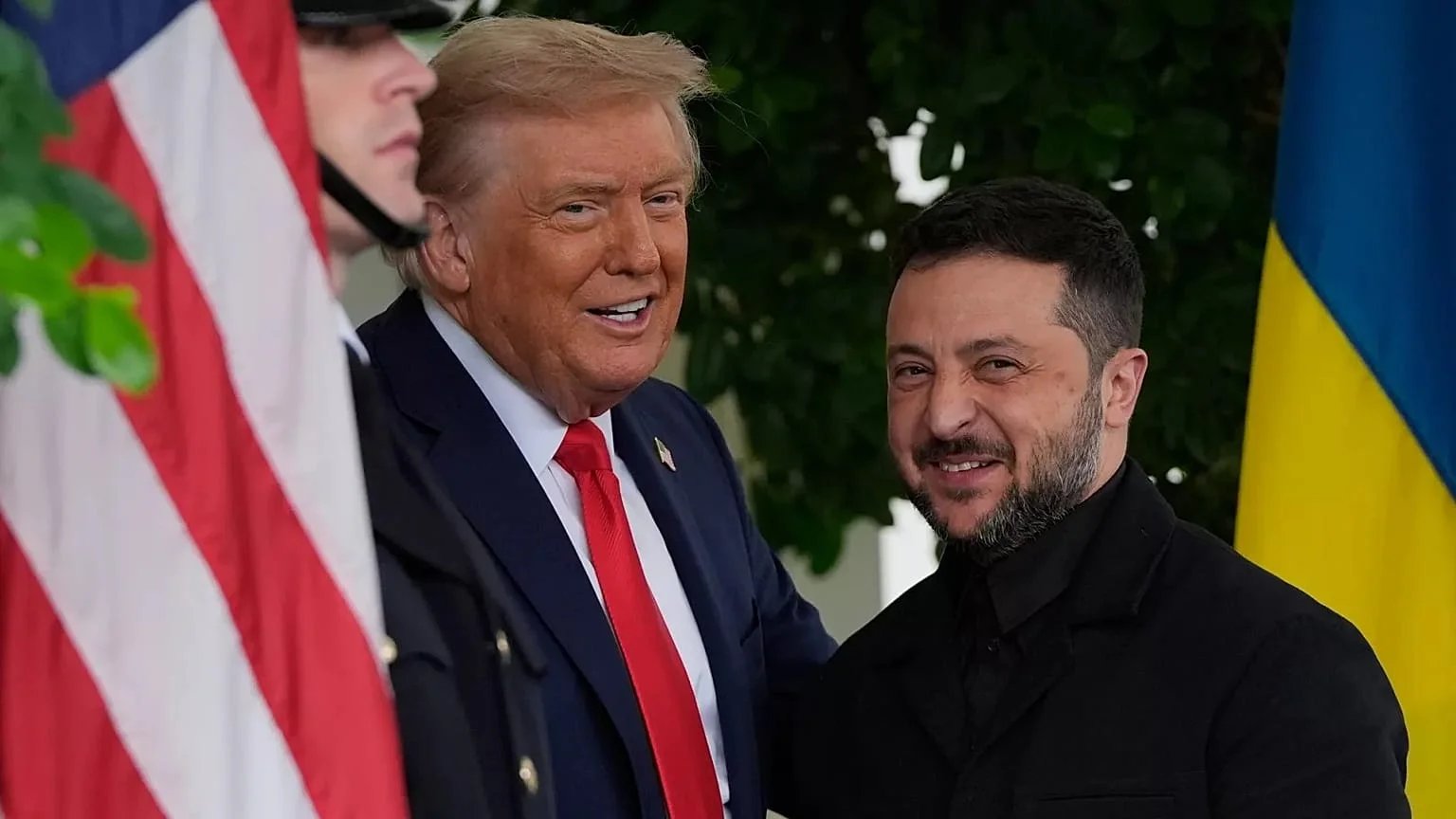
The Financial Times reported on August 12 that US Vice President JD Vance, in a July 31 call, asked Ukrainian President Volodymyr Zelensky to stop drone strikes on oil tankers serving the Caspian Pipeline Consortium terminal near Novorossiysk. Since the conversation, Ukraine has not attacked CPC-linked tankers, according to officials and open-source analysis. The request came as Washington feared further destabilization of oil markets and damage to US companies Chevron and ExxonMobil, which hold significant stakes in the CPC pipeline and Kazakh oil fields.
The July 31 Call
On July 31, US Vice President JD Vance phoned Ukrainian President Volodymyr Zelensky, requesting an end to Ukraine's intensive drone campaign against oil tankers calling at Russia's Port of Novorossiysk. The vessels transport crude arriving via the Caspian Pipeline Consortium (CPC) from Kazakhstan. According to the Financial Times, which cited Ukrainian officials and other sources, the request reflected Washington's alarm over destabilizing oil markets and harming US corporate interests. Since the call, Ukraine has refrained from striking CPC-associated tankers, according to officials and open-source intelligence analysis. A senior Ukrainian official told the FT that Kyiv 'listens very attentively to our American partners' and had established 'mechanisms' in response to the request.
US Stakes in CPC
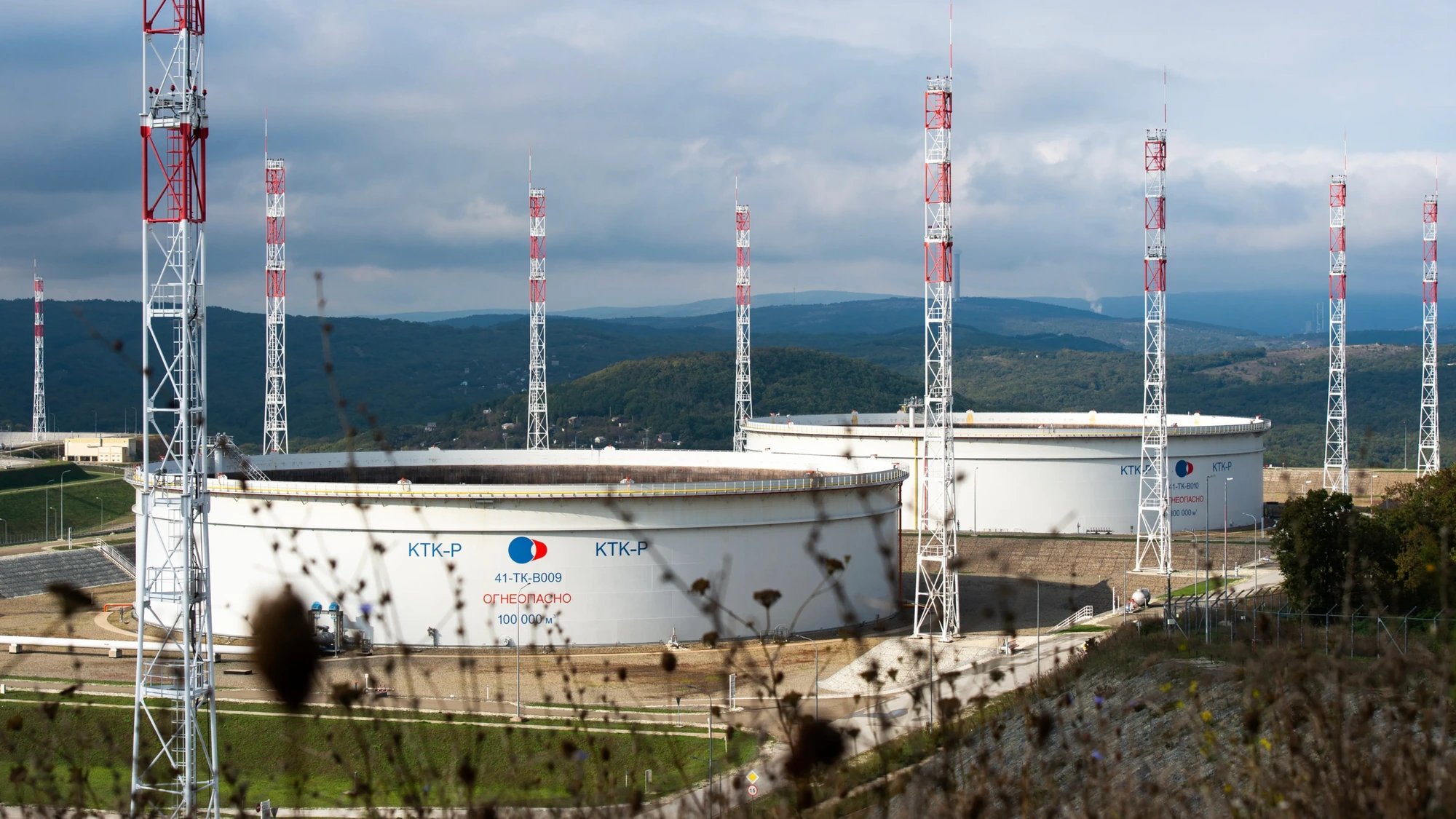
Chevron holds a 50% stake in Kazakhstan's Tengiz oil field, the country's largest, while ExxonMobil owns 25%. Both companies also hold shares in the CPC pipeline, the primary export route for Kazakh oil. The CPC terminal at Novorossiysk exported an average of 1.3 million barrels per day in July, down over 300,000 barrels per day from June and 600,000 barrels per day from May, according to Kpler data. A US official described the CPC as a 'vital energy supply channel from Kazakhstan to European markets,' serving as an alternative to Russian energy supplies. The administration of President Donald Trump views disruptions to this route as a direct threat to American business interests and energy diversification goals.
Previous US Warnings
The reported July intervention is not the first instance of US officials seeking to protect American commercial interests from Ukrainian military operations. In February 2026, Ukraine's then-ambassador to Washington, Olha Stefanyshyna, acknowledged receiving a diplomatic demarche from the US State Department following a Ukrainian drone strike on Novorossiysk port in late 2025. The FT reported that the issue of CPC infrastructure has been 'regularly discussed during negotiations with the US and Kazakhstan governments,' according to a Ukrainian source. Neither the vice president's office, Zelensky's administration, nor Kazakhstan's foreign ministry commented on the FT report, while the CPC, Chevron, and Exxon declined to comment.
What's Next
The US Vice President's office, President Zelensky's administration, and Kazakhstan's Foreign Ministry did not respond to requests for comment. It remains unclear whether the informal understanding will persist and how Ukraine will define sanctioned vessels in the Black Sea going forward.
1 source
FT: Vance asked Zelensky to halt strikes on CPC tankers