FCC proposes import ban on Chinese optical transceivers as China holds 56% of global market
This digest was compiled by AI from multiple sources — links to the originals are below.

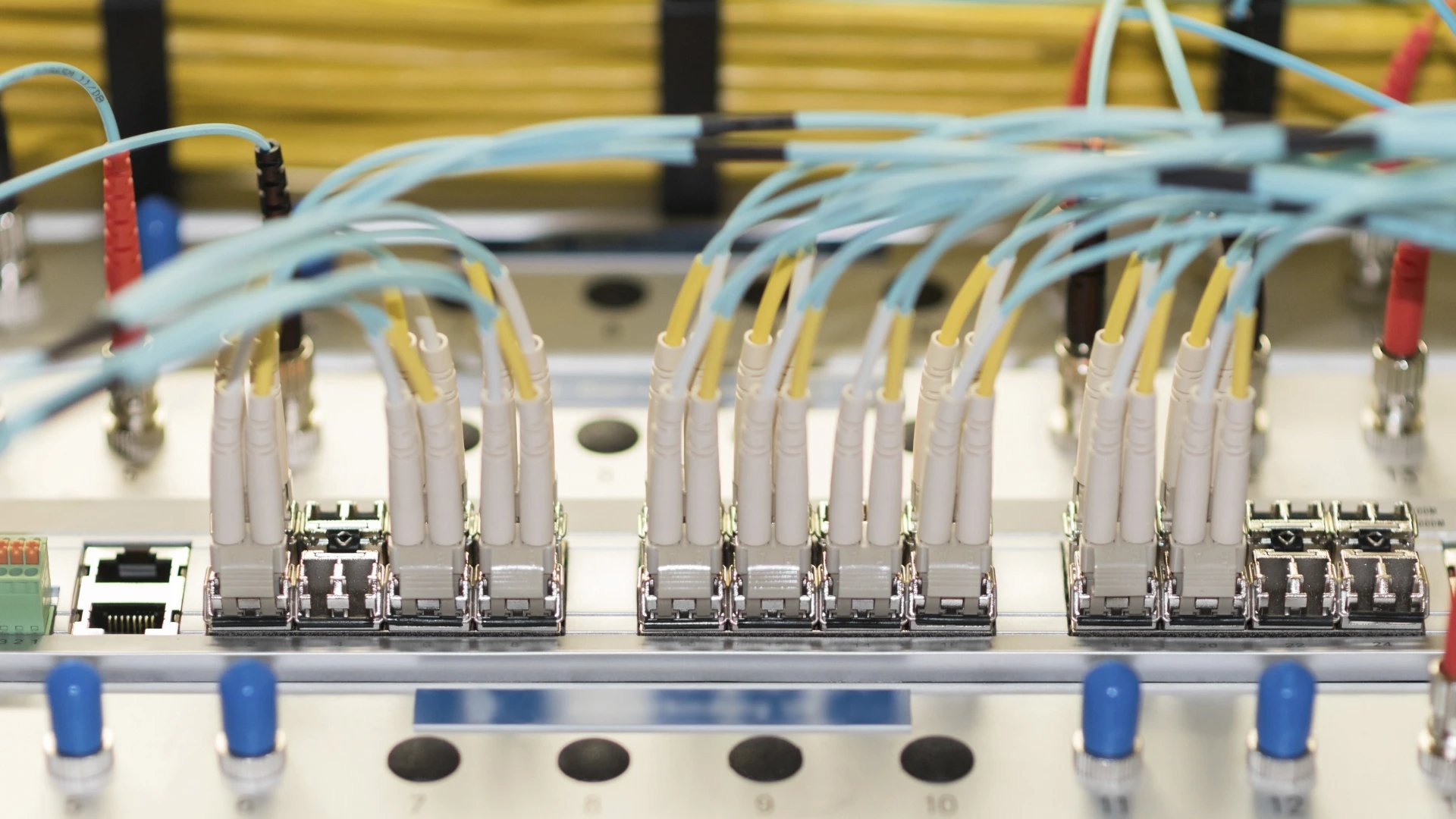
The Federal Communications Commission is drafting a proposal to ban the import of Chinese-manufactured optical transceivers used in AI data centers, according to a TrendForce report. Chinese firms account for an estimated 56% of global production capacity for these components in 2026, a reliance the U.S. seeks to reduce. The move follows FCC bans on all foreign-produced routers and advanced robotics in recent years.
The FCC Proposal
The FCC is drafting a rule to expand the Secure Networks Act to cover imports of new-model optical transceivers from China, according to TrendForce. The specifics, such as what constitutes a Chinese company or a 'new model,' remain undefined. The ban would target a critical component for AI data centers, as optical interconnects are increasingly seen as the next battleground for improving AI performance, latency, and efficiency. This follows an FCC ban on all foreign-manufactured routers in late 2025 and a ban on advanced foreign-produced robotics in July 2026.
China's Market Share
Chinese manufacturers are estimated to hold 56% of the global optical transceiver production capacity in 2026, making the supply chain highly concentrated. The U.S. administration aims to decouple from this reliance and strengthen domestic and international alternatives. The proposed import block could severely impact hyperscaler AI companies that are investing heavily in optical interconnect technologies to overcome copper wiring limitations. No timeline for the proposal's finalization has been announced.
Optical Interconnects and AI Bottlenecks
Optical interconnects use lasers to replace copper wiring, significantly boosting bandwidth, reducing latency, and cutting power consumption in data centers. Major developers like TSMC, Intel, Samsung Foundry, and GlobalFoundries are pursuing different methods to bring optical communication lines closer to processors. The shift comes as the AI industry grapples with successive bottlenecks, from GPU shortages to power and water constraints, now extending to inter-server communication links. Any disruption in the optical transceiver supply could slow the deployment of next-generation AI infrastructure.
What's Next
The FCC is expected to publish the draft proposal for public comment in the coming months, but the exact timeline remains unclear. Analysts warn that the ban could trigger supply chain disruptions for U.S. tech giants and may draw retaliation from Beijing.
1 source
FCC proposes import ban on Chinese optical transceivers as China holds 56% of global market