Ceuta crisis reflects deep Morocco-Spain sovereignty dispute, not just migration
This digest was compiled by AI from multiple sources — links to the originals are below.

The influx of 72,000 migrants into the Spanish enclave of Ceuta from Morocco has underscored that one of the European Union’s most sensitive land borders runs through North Africa. The crisis is rooted in a decades-long sovereignty dispute over Ceuta and Melilla, territories claimed by Morocco but administered by Spain as integral parts of its national territory. Historical ties across the Strait of Gibraltar have long connected both shores, challenging modern border concepts.
The Migration Surge
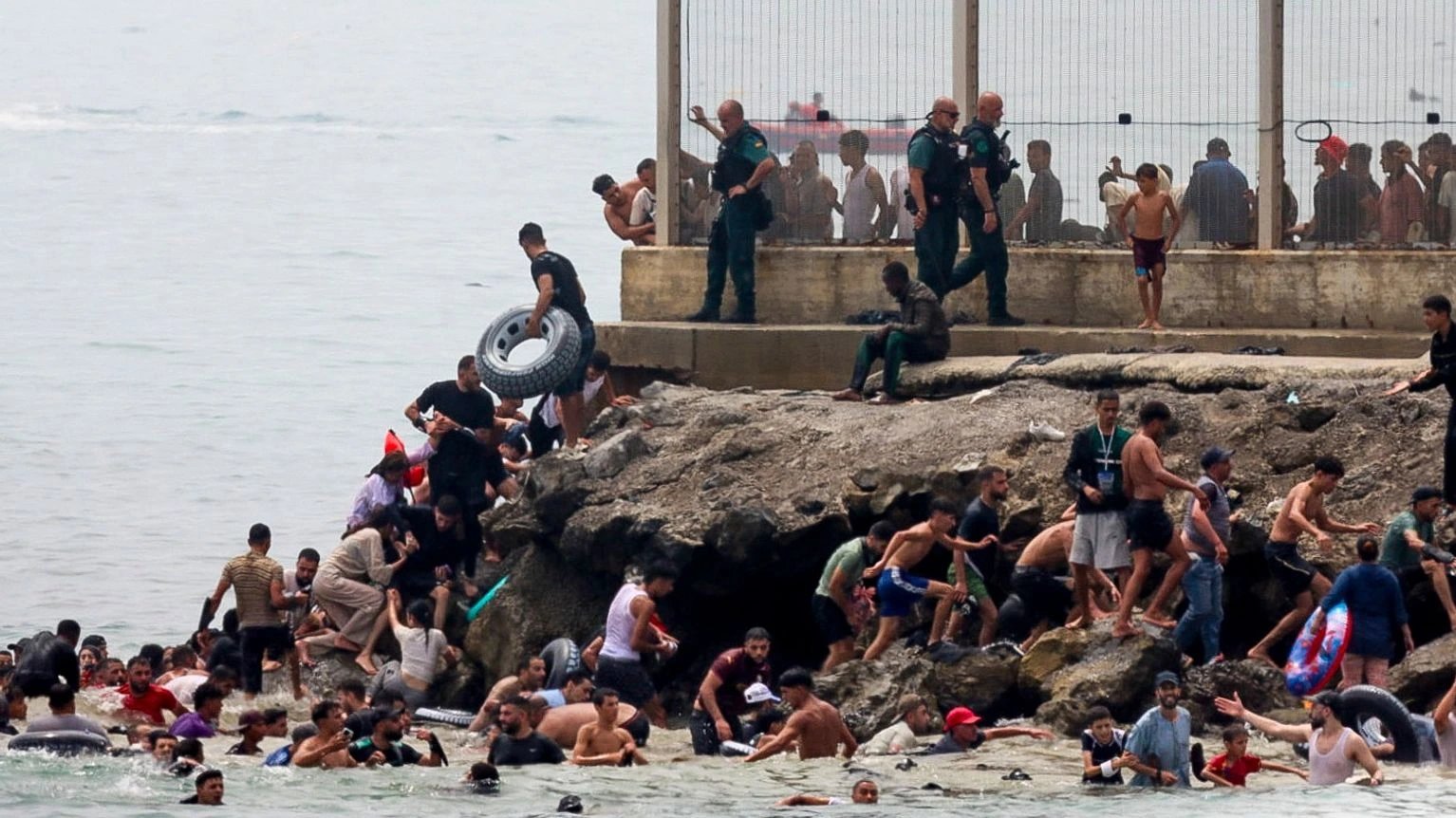
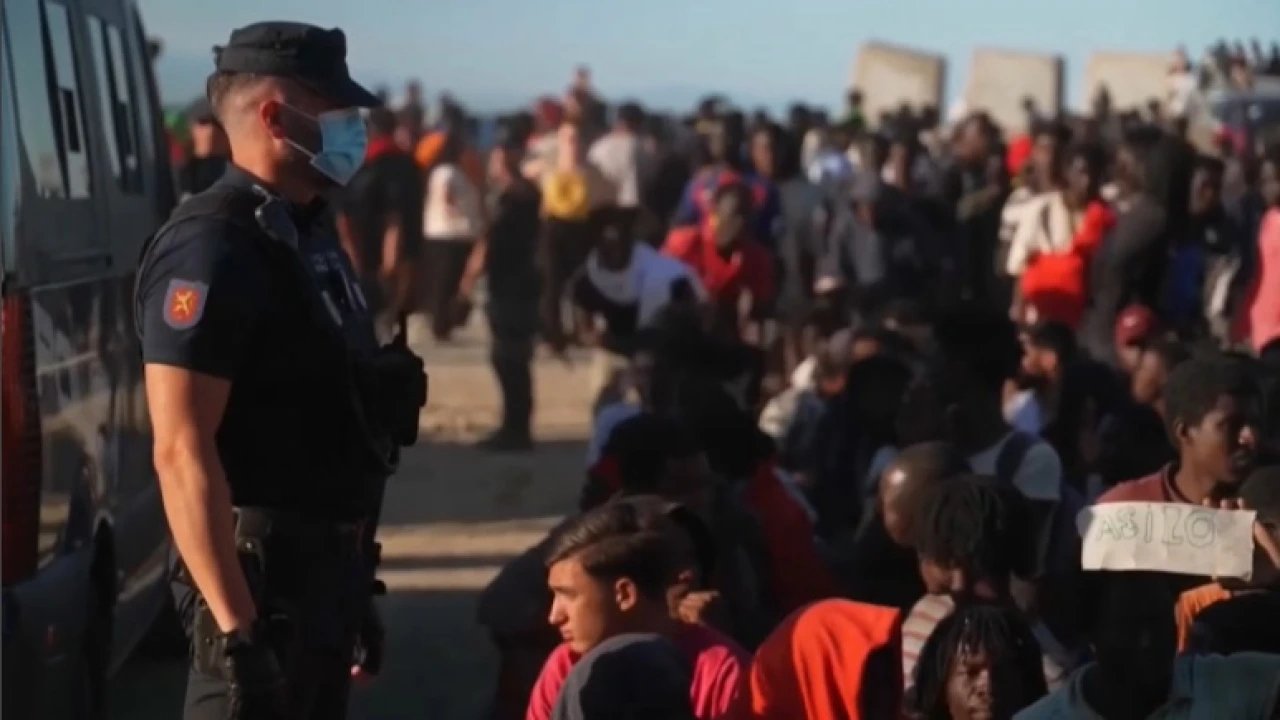
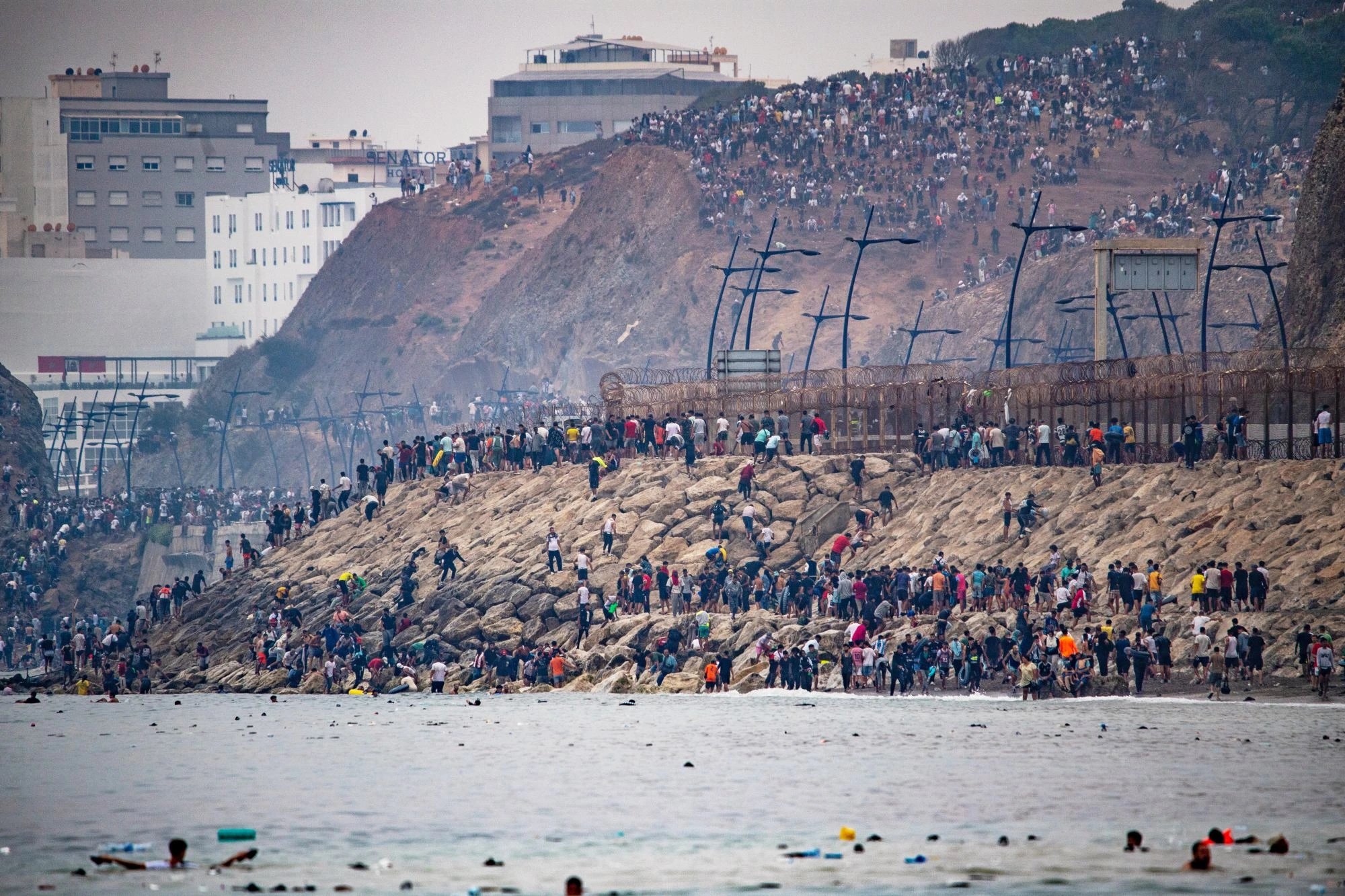
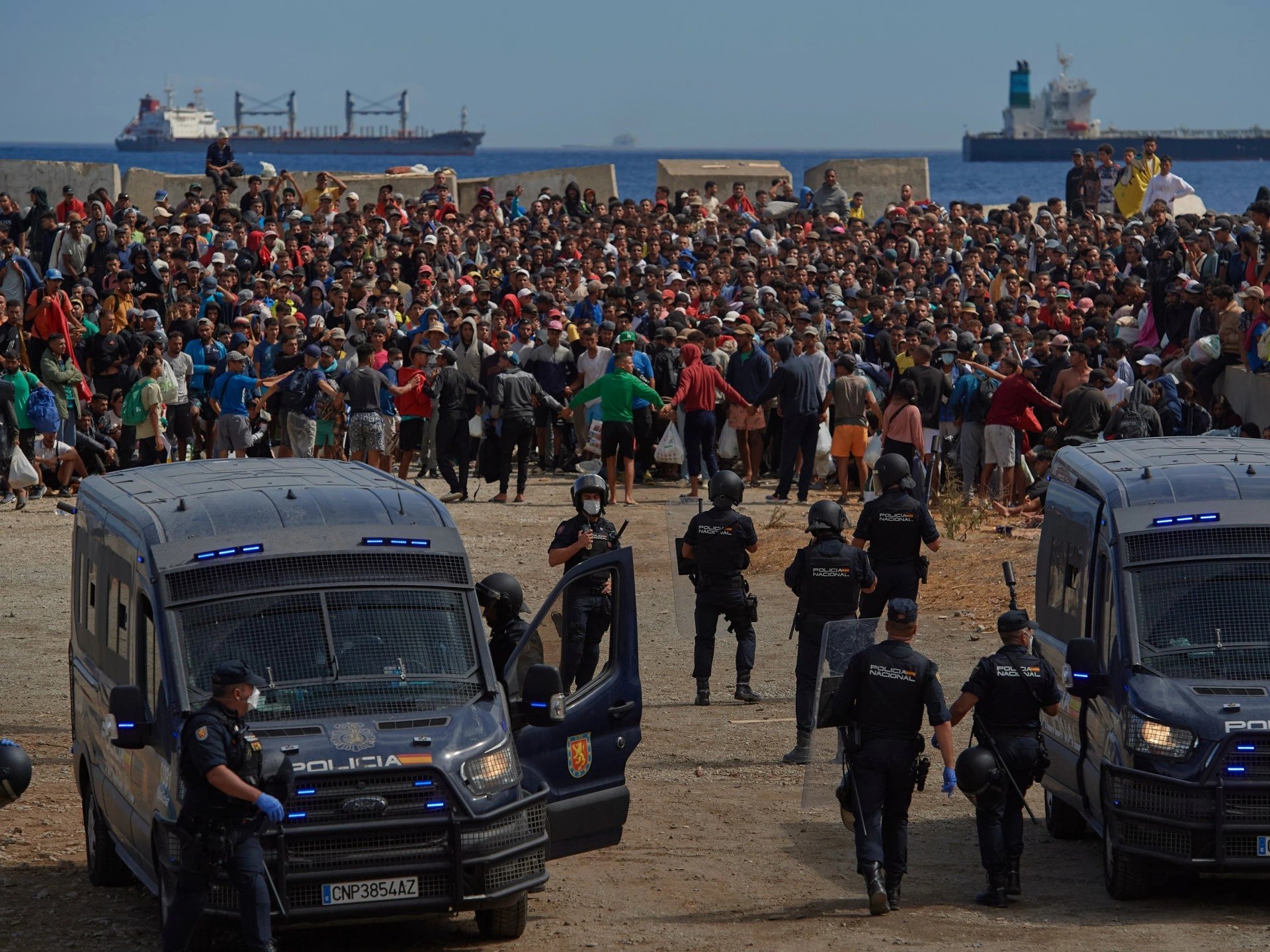
On May 17-18, an estimated 72,000 people crossed from Morocco into the Spanish enclave of Ceuta, one of the EU's two land borders in Africa. The influx highlighted the fragility of the border and triggered a diplomatic crisis between Madrid and Rabat. Spain deployed troops and returned most migrants, while Morocco faced accusations of lax border enforcement. The event exposed longstanding tensions over Ceuta and Melilla, territories claimed by Morocco since its independence. Both enclaves are integral parts of the Spanish state, yet remain geographically separate from mainland Europe.
Historical Roots
Historian Fernand Braudel described the Mediterranean as an interconnected theater shaped by migration, trade, and culture long before modern nation-states. The Strait of Gibraltar, he argued, is a frontier zone between two shores in constant contact. Ceuta was under Muslim control until 1415, when Portugal seized it, marking the start of European overseas expansion. After 1580, it fell under Spanish Habsburg rule and remained loyal when Portugal regained independence in 1640. This history underscores the fragmented sovereignty that existed before colonial borders were drawn.
Morocco's Sovereignty Claims
Morocco bases its claims on pre-colonial ties and the continuity of authority of the Moroccan sultan over the western Maghreb. Historian Abdallah Laroui warns against applying modern territorial concepts to pre-colonial societies, where sovereignty was exercised through loyalty, taxation, and religion rather than fixed borders. After independence in 1956, Sultan Mohammed V pursued the return of territories severed during colonialism, leading Spain to cede Tarfaya in 1958 and Sidi Ifni in 1969. Ceuta and Melilla, however, remain firmly under Spanish control, despite Rabat's persistent demands.
What's Next
Diplomatic negotiations between Spain and Morocco on border management continue, but the sovereignty dispute remains a dormant issue that periodically erupts. It is unclear whether the EU will press Morocco on border control given its role as a key partner in counterterrorism and migration management.
2 sources
Ceuta crisis reflects deep Morocco-Spain sovereignty dispute, not just migration