Coldcard wallet hack drains $100M in Bitcoin from security-conscious users
This digest was compiled by AI from multiple sources — links to the originals are below.

A security flaw in Coldcard hardware wallets allowed hackers to steal at least $100 million in Bitcoin from users who practiced strict self-custody. The breach exploited predictable seed-phrase generation, enabling trial-and-error guessing of wallet keys. Unlike typical crypto hacks, this attack targeted security-conscious Bitcoin owners, exposing a critical failure by the wallet manufacturer.
The Vulnerability
Coldcard’s hardware wallets failed to randomize the creation of seed phrases, the master keys that secure Bitcoin stored offline. Instead, the process followed a predictable pattern, allowing hackers with one sample phrase to guess others through trial and error. This design flaw rendered the cold storage — touted as virtually unhackable — vulnerable to systematic theft. At least $100 million was drained from user wallets before the breach was discovered. Technical analyses describe the generation algorithm as deterministic, not random.
The Victims
Those affected were predominantly experienced Bitcoin holders who had taken the gold-standard security measure of keeping assets in cold storage, away from internet-connected devices. Unlike victims of decentralized finance or exchange hacks, these users belonged to a cohort that follows Satoshi Nakamoto’s ethos of self-custody and direct key control. The theft shattered the perception that hardware wallets, when used correctly, eliminate counterparty risk. Coldcard, a niche brand with under 2% of the hardware wallet market, was trusted precisely by this security-focused demographic.
Symbolic Damage
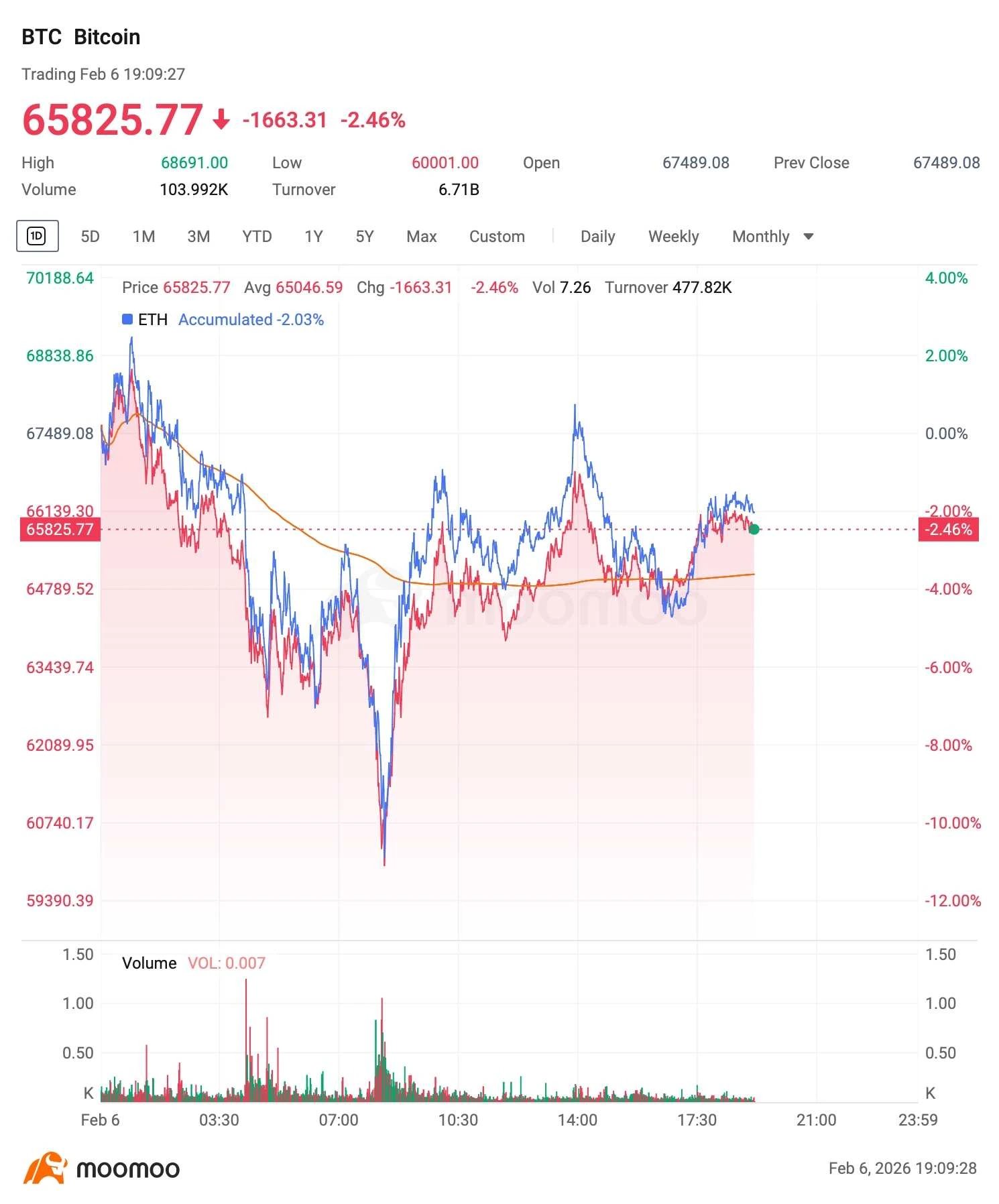
While the broader cryptocurrency market showed little reaction — Bitcoin’s price barely moved — the incident struck at the philosophical core of the Bitcoin community. Unlike routine hacks on bridges or alt-coin platforms, this breach targeted those who ‘did everything right.’ Some observers called it a crisis of faith for self-custody. However, analysts noted the failure stemmed from one manufacturer’s negligence, not a weakness in Bitcoin’s protocol. Still, the hack exposed the awkward reality that self-custody depends on the competence of hardware makers.
What's Next
Coldcard has not yet announced any remediation plan or compensation for victims. It remains unclear whether the breach will drive users to more established hardware wallets like Ledger or Trezor, or diminish faith in self-custody altogether.
1 source
Coldcard wallet hack drains $100M in Bitcoin from security-conscious users